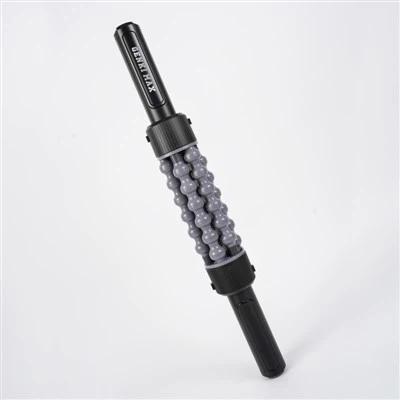
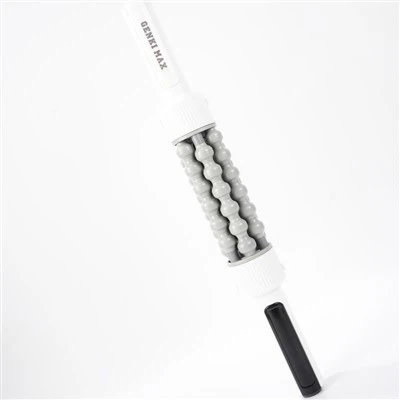
Are there any risks associated with using a fascia roller?
Fascia rollers have gained significant popularity in recent years as a self - myofascial release tool. As a fascia roller supplier, I've witnessed firsthand the growing interest in these products. However, it's crucial to understand that while fascia rollers offer numerous benefits, there are also potential risks associated with their use.
Benefits of Fascia Rollers
Before delving into the risks, let's briefly touch on why fascia rollers are so popular. Fascia is a thin, connective tissue that surrounds muscles, bones, and organs. Over time, the fascia can become tight and restricted, leading to pain, reduced mobility, and increased risk of injury. Using a fascia roller can help break up adhesions in the fascia, improve blood circulation, and enhance flexibility. It's a cost - effective and convenient way for athletes, fitness enthusiasts, and even those with sedentary lifestyles to manage muscle soreness and maintain optimal physical function.
For instance, many athletes use fascia rollers as part of their pre - and post - workout routines. By rolling out tight muscles, they can warm up more effectively before exercise and reduce muscle soreness after a strenuous workout. This not only helps in performance but also in the long - term health of their muscles.
Potential Risks
1. Muscle and Tissue Damage
One of the primary risks of using a fascia roller is the potential for muscle and tissue damage. If used too aggressively or for an extended period, the pressure exerted by the roller can cause micro - tears in the muscle fibers. These micro - tears can lead to inflammation, pain, and a longer recovery time. For example, if someone with tight hamstrings decides to roll them with excessive force, they may end up causing more harm than good.
It's important to note that individuals with certain medical conditions, such as osteoporosis or recent injuries, are at a higher risk of muscle and tissue damage. In these cases, the bones may be more fragile, and the injured area may not be ready for the pressure of a fascia roller.
2. Nerve Compression
Another risk is nerve compression. The fascia roller can put pressure on nerves, especially if it's used in areas where nerves are close to the surface, such as the neck or the inner thigh. Nerve compression can lead to symptoms like numbness, tingling, and in severe cases, loss of muscle function. For instance, if a person rolls the back of their knee too hard, they may compress the popliteal nerve, resulting in discomfort and potential long - term nerve damage.
3. Aggravation of Existing Conditions
Fascia rollers may not be suitable for everyone, especially those with certain medical conditions. People with herniated discs, arthritis, or skin conditions may find that using a fascia roller exacerbates their symptoms. For example, in the case of arthritis, the pressure from the roller can cause pain and inflammation in the affected joints. Similarly, if a person has a skin rash or an open wound, using a fascia roller can further irritate the skin and delay the healing process.
Minimizing the Risks
1. Proper Technique
The key to minimizing the risks associated with fascia rollers is to use them correctly. Start with a gentle pressure and gradually increase it as your body gets used to the sensation. Roll slowly and smoothly, and avoid applying too much pressure in one area for an extended period. It's also important to use the roller in the direction of the muscle fibers. For example, when rolling the quadriceps, roll from the hip to the knee.
2. Know Your Body
Understand your body's limitations and any existing medical conditions. If you have a history of injuries or medical issues, consult a healthcare professional before using a fascia roller. They can provide personalized advice on whether it's safe for you to use a fascia roller and how to do it properly.

3. Choose the Right Fascia Roller
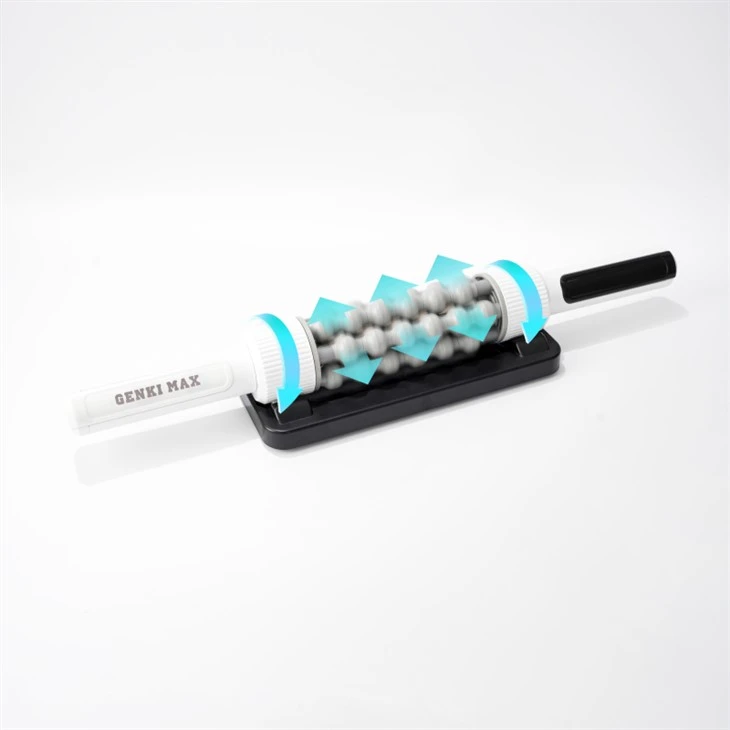
There are different types of fascia rollers available in the market, each with its own level of firmness and design. As a supplier, I offer a variety of options such as the Gymstick Fascia Roller, Muscle Fascia Roller, and Fascia Body Roller. For beginners or those with sensitive muscles, a softer roller may be more appropriate. On the other hand, more experienced users or those with very tight muscles may benefit from a firmer roller.
Conclusion
In conclusion, while fascia rollers are a valuable tool for self - myofascial release, they do come with certain risks. However, by understanding these risks and taking the necessary precautions, you can safely incorporate a fascia roller into your fitness or recovery routine.
As a fascia roller supplier, I am committed to providing high - quality products and educating customers about their proper use. If you're interested in purchasing fascia rollers for your gym, fitness center, or personal use, I invite you to contact me for more information and to discuss potential purchasing options. We can work together to find the right fascia rollers that meet your specific needs.
References
- Clark, M. A., Lucett, S. C., & Corn, R. (2014). NASM essentials of corrective exercise training. Lippincott Williams & Wilkins.
- Sapega, A. A., Quedenfeld, T. C., Moyer, R. A., & Butler, V. J. (1981). Warm - up and muscle injury prevention. The American Journal of Sports Medicine, 9(3), 126 - 132.
- Travell, J. G., & Simons, D. G. (1999). Myofascial pain and dysfunction: The trigger point manual (Vol. 1). Lippincott Williams & Wilkins.