Can a Fascia Body Roller be used by athletes?
Hey there! I'm a supplier of Fascia Body Rollers, and I often get asked if these nifty tools are suitable for athletes. Well, let's dive right into it and find out.
First off, what is a Fascia Body Roller? It's a simple yet effective device that helps with self - myofascial release. The fascia is a thin, connective tissue that surrounds our muscles, bones, and organs. When we work out, especially athletes who push their bodies to the limit, the fascia can get tight and restricted. This can lead to muscle soreness, reduced flexibility, and even an increased risk of injury.
Athletes, whether they're sprinters, weightlifters, or long - distance runners, put their bodies through intense physical stress on a regular basis. Their muscles are constantly contracting and relaxing, and over time, adhesions can form in the fascia. These adhesions can limit the range of motion and the efficiency of muscle function. That's where the Fascia Body Roller comes in.
One of the main benefits of using a Fascia Body Roller for athletes is improved flexibility. When you roll over a tight area of your body, the pressure helps to break up those adhesions in the fascia. This allows the muscles to move more freely, which in turn increases your flexibility. For example, a sprinter needs to have a good range of motion in their hips and legs to generate maximum power with each stride. By using a Fascia Body Roller regularly, they can maintain and even improve their flexibility, giving them an edge in their performance.
Another advantage is reduced muscle soreness. After a hard training session or a competition, athletes often experience delayed onset muscle soreness (DOMS). This is caused by microscopic damage to the muscle fibers and inflammation in the muscles. The Fascia Body Roller can help to alleviate this soreness by increasing blood flow to the affected area. The increased blood flow brings in oxygen and nutrients that are essential for muscle repair and recovery. So, if you're an athlete who wants to bounce back quickly from a tough workout, a Fascia Body Roller can be a great addition to your recovery routine.
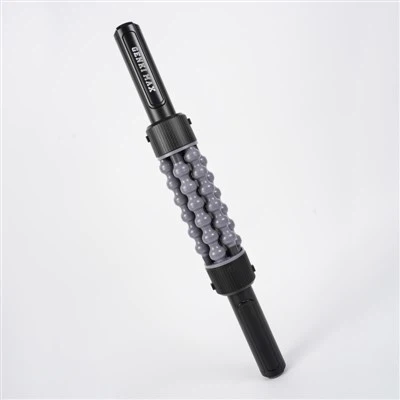
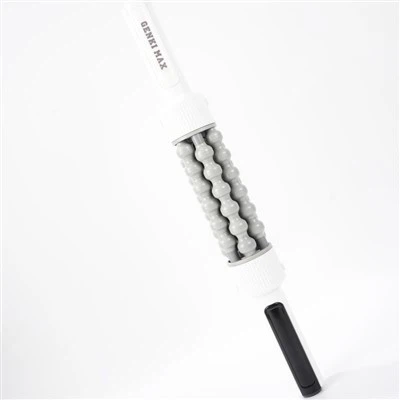
Let's talk about different types of Fascia Body Rollers. There's the Muscle Fascia Roller, which is designed specifically to target the muscles. It usually has a textured surface that provides more intense pressure on the muscles, helping to break up those stubborn adhesions. Then there's the Gymstick Fascia Roller, which is more versatile. It can be used to roll different parts of the body, and its shape makes it easy to handle and maneuver.
Now, you might be wondering how to use a Fascia Body Roller correctly. It's actually quite simple. Start by lying on the roller and slowly moving your body over it. Apply enough pressure so that you can feel the tension in the area, but not so much that it's painful. You can focus on specific areas like your calves, thighs, back, or shoulders. Roll back and forth for about 30 seconds to a minute on each area. If you find a particularly tight spot, you can pause and apply a little more pressure for a few seconds.
However, there are a few things athletes need to keep in mind when using a Fascia Body Roller. First, don't overdo it. If you apply too much pressure or roll for too long, you can actually cause more damage to the muscles and fascia. It's all about finding the right balance. Second, if you have any injuries or medical conditions, it's always a good idea to consult with a doctor or a physical therapist before using a Fascia Body Roller. They can give you specific advice based on your situation.
In conclusion, a Fascia Body Roller is definitely a great tool for athletes. It can help improve flexibility, reduce muscle soreness, and aid in recovery. Whether you're a professional athlete or just someone who likes to stay active, adding a Fascia Body Roller to your fitness routine can make a big difference.
If you're interested in purchasing Fascia Body Rollers for your team, gym, or personal use, I'd love to have a chat with you. We offer high - quality rollers at competitive prices, and we can work with you to find the best solution for your needs. Just reach out, and let's start the conversation about how these amazing tools can benefit you and your athletic pursuits.
References


- Clark, M. A., Lucett, S. C., & Corn, R. (2014). NASM essentials of corrective exercise training. Lippincott Williams & Wilkins.
- Sizer, F. S., & Whitney, E. N. (2013). Nutrition: concepts and controversies. Cengage Learning.