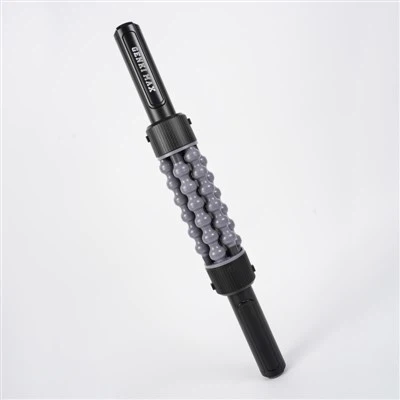
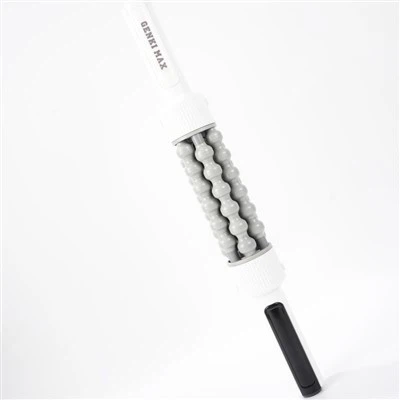
In the realm of fitness and athletic recovery, cross - training has emerged as a powerful strategy to enhance overall performance and reduce the risk of injury. Cross - training involves engaging in multiple forms of exercise, such as combining running with weightlifting, cycling, or swimming. However, with the diverse physical demands of cross - training, the body often experiences muscle soreness, tightness, and fatigue. This is where the Fascia Body Roller comes into play as a potential tool for cross - training recovery. As a supplier of Fascia Body Rollers, I am well - versed in the science and practical applications of these devices, and I am eager to explore whether they can truly aid in cross - training recovery.
Understanding Fascia and Its Role in the Body
Before delving into the effectiveness of the Fascia Body Roller for cross - training recovery, it is essential to understand what fascia is and its significance in the human body. Fascia is a thin, connective tissue that surrounds and penetrates every muscle, bone, nerve, blood vessel, and organ in the body. It provides structural support, protects tissues, and allows for smooth movement between different body parts.
During intense cross - training sessions, the fascia can become tight and restricted due to the repetitive stress and micro - trauma caused by exercise. This tightness can lead to decreased flexibility, reduced range of motion, and increased muscle soreness. By using a Fascia Body Roller, we aim to release this tension in the fascia, promoting better blood flow, reducing inflammation, and enhancing overall muscle function.
How a Fascia Body Roller Works
A Fascia Body Roller, such as the Muscle Fascia Roller and Gymstick Fascia Roller, operates on the principle of self - myofascial release (SMR). When you roll the device over a specific area of your body, it applies pressure to the fascia and underlying muscles. This pressure helps to break up adhesions, or knots, in the fascia, which are often the result of overuse or injury.
As the adhesions are broken down, blood flow to the area is improved. Increased blood flow brings oxygen and nutrients to the muscles, which aids in the repair and recovery process. Additionally, the pressure from the roller stimulates the nervous system, sending signals to the brain that help to relax the muscles and reduce pain.
Benefits of Using a Fascia Body Roller for Cross - Training Recovery
- Reduced Muscle Soreness: One of the most immediate benefits of using a Fascia Body Roller after cross - training is a reduction in muscle soreness. The rolling action helps to flush out lactic acid, a by - product of exercise that can cause muscle fatigue and soreness. By promoting better blood circulation, the roller helps to remove lactic acid from the muscles more quickly, allowing for a faster recovery.
- Improved Flexibility and Range of Motion: Tight fascia can limit your flexibility and range of motion, which can negatively impact your performance in cross - training activities. Using a Fascia Body Roller regularly can help to loosen the fascia, allowing your muscles to move more freely. This increased flexibility can lead to better form during exercise, reduced risk of injury, and improved overall athletic performance.
- Enhanced Muscle Function: When the fascia is tight, it can interfere with the normal functioning of the muscles. By releasing the tension in the fascia, a Fascia Body Roller helps the muscles to contract and relax more efficiently. This can lead to increased strength, power, and endurance, all of which are essential for cross - training.
- Injury Prevention: Regular use of a Fascia Body Roller can help to prevent injuries by addressing potential issues in the fascia before they develop into more serious problems. By keeping the fascia supple and flexible, the roller reduces the risk of muscle strains, tears, and other soft - tissue injuries that are common in cross - training.
Scientific Evidence Supporting the Use of Fascia Body Rollers
Numerous studies have investigated the effectiveness of self - myofascial release using tools like the Fascia Body Roller. A study published in the Journal of Strength and Conditioning Research found that using a foam roller (a type of Fascia Body Roller) for just 2 minutes after exercise significantly reduced muscle soreness and improved range of motion. Another study in the International Journal of Sports Physical Therapy showed that SMR with a roller can enhance muscle activation and performance.
These findings suggest that the use of a Fascia Body Roller is not just a trendy fitness practice but is backed by scientific research. The physiological effects of SMR, such as improved blood flow, reduced inflammation, and enhanced muscle function, make it a valuable tool for cross - training recovery.
How to Use a Fascia Body Roller for Cross - Training Recovery
Using a Fascia Body Roller effectively requires proper technique. Here are some general guidelines:


- Warm - up First: It is important to warm up your body before using the roller. This can be done through light cardio exercises, such as jogging in place or jumping jacks, for 5 - 10 minutes. A warm body is more receptive to the effects of the roller.
- Target Specific Areas: Identify the areas of your body that are most affected by your cross - training activities. Common areas include the calves, quadriceps, hamstrings, and shoulders. Slowly roll the Fascia Body Roller over these areas, applying gentle pressure.
- Control the Pressure: Start with a light pressure and gradually increase it as your body becomes more accustomed to the rolling. If you encounter a particularly tight area or a knot, pause on that spot and apply more pressure for 15 - 30 seconds to allow the fascia to release.
- Roll Slowly and Smoothly: Avoid rolling too quickly or jerkily. A slow, smooth motion allows the roller to effectively break up adhesions and stimulate the fascia.
- Breathe Deeply: As you roll, take slow, deep breaths. Deep breathing helps to relax your body and enhance the effects of the rolling.
Conclusion
In conclusion, a Fascia Body Roller can be a highly effective tool for cross - training recovery. Its ability to release tension in the fascia, reduce muscle soreness, improve flexibility, enhance muscle function, and prevent injuries makes it a valuable addition to any cross - trainer's toolkit.
As a supplier of high - quality Fascia Body Rollers, we are committed to providing products that meet the needs of athletes and fitness enthusiasts. Our Muscle Fascia Roller, Gymstick Fascia Roller, and Fascia Body Roller are designed with the latest technology and materials to ensure optimal performance and durability.
If you are interested in incorporating Fascia Body Rollers into your cross - training recovery routine or are a business looking to purchase our products in bulk, we invite you to contact us for a detailed discussion. We are ready to provide you with the best solutions and support to help you achieve your fitness and business goals.
References
- Journal of Strength and Conditioning Research. "The Effects of Foam Rolling on Muscle Recovery and Performance."
- International Journal of Sports Physical Therapy. "Self - Myofascial Release: A Systematic Review."