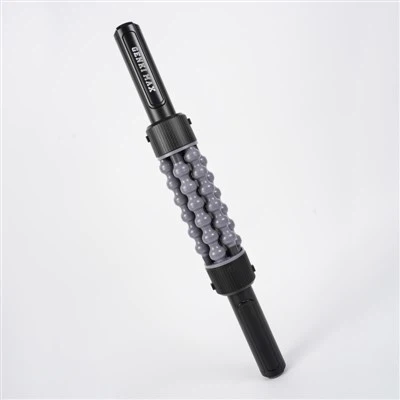
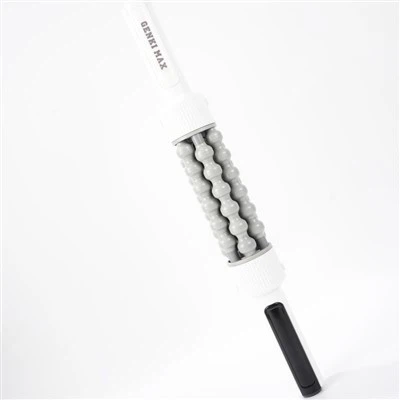
Hey there, fitness enthusiasts! Today, I'm gonna dive into a hot topic in the fitness world: Can a fascia roller be used in combination with stretching? As a fascia roller supplier, I've seen firsthand how these tools can revolutionize your workout routine. So, let's get right into it!
First off, let's talk about what fascia is. Fascia is a thin, connective tissue that wraps around your muscles, bones, and organs. It plays a crucial role in providing support and stability to your body. However, over time, fascia can become tight and restricted, leading to pain, stiffness, and reduced mobility. That's where fascia rollers come in.
A fascia roller is a simple yet effective tool that can help release tension in your fascia. By applying pressure to specific areas of your body, you can break up adhesions and knots in the fascia, improving blood flow and flexibility. But the question is, can you use a fascia roller in combination with stretching? The answer is a resounding yes!
Using a fascia roller before stretching can actually enhance the effectiveness of your stretching routine. When you roll out your muscles with a fascia roller, you're essentially warming up your tissues and preparing them for stretching. This can help you achieve a deeper stretch and reduce the risk of injury. For example, if you're planning to do some yoga poses, using a Fascia Blaster Roller on your hamstrings and calves beforehand can help you get into those poses more easily and with less discomfort.
On the other hand, using a fascia roller after stretching can also be beneficial. After a good stretch, your muscles are more relaxed and pliable, making it easier for the fascia roller to work its magic. Rolling out your muscles after stretching can help maintain the flexibility you've gained and prevent your muscles from tightening up again. It's like giving your muscles a little post-workout massage. You can use a Gymstick Fascia Roller to target specific areas or a Muscle Fascia Roller to cover larger areas of your body.


Now, let's talk about how to use a fascia roller in combination with stretching. Here's a simple routine you can try:
Step 1: Foam Roll
Start by spending 5-10 minutes foam rolling your major muscle groups. Focus on areas that feel tight or sore, such as your calves, thighs, hips, and back. Roll slowly and apply gentle pressure, pausing on any tender spots for a few seconds. You can use a back-and-forth motion or a circular motion, depending on what feels best for you.
Step 2: Static Stretching
After foam rolling, move on to static stretching. Hold each stretch for 15-30 seconds and repeat 2-3 times. Make sure to breathe deeply and relax into each stretch. Some good stretches to include in your routine are hamstring stretches, quadriceps stretches, hip flexor stretches, and shoulder stretches.
Step 3: Dynamic Stretching
Once you've completed your static stretches, finish off with some dynamic stretching. Dynamic stretches involve moving your body through a range of motion, such as leg swings, arm circles, and torso twists. This can help improve your mobility and prepare your body for physical activity.
Step 4: Post-Stretch Foam Rolling
After your stretching routine, take a few minutes to foam roll again. This time, focus on any areas that still feel tight or sore. You can use a lighter pressure and a quicker rolling motion to help flush out any remaining tension in your muscles.
It's important to note that while using a fascia roller in combination with stretching can be very beneficial, it's not a substitute for proper warm-up and cool-down exercises. Before starting any workout, make sure to do some light cardio to get your blood flowing and your muscles warm. And after your workout, take the time to cool down and stretch to prevent muscle soreness and injury.
In addition to using a fascia roller and stretching, there are other things you can do to keep your fascia healthy. Eating a balanced diet, staying hydrated, and getting enough sleep are all important factors in maintaining good fascia health. You can also try incorporating other forms of self-myofascial release, such as using a massage ball or a lacrosse ball, into your routine.
So, there you have it! Using a fascia roller in combination with stretching is a great way to improve your flexibility, reduce pain and stiffness, and enhance your overall workout performance. Whether you're a professional athlete or just starting out on your fitness journey, adding a fascia roller to your toolkit can make a big difference in how you feel and how you move.
If you're interested in purchasing a fascia roller for yourself or your gym, I'd love to hear from you. We offer a wide range of high-quality fascia rollers at competitive prices. Contact us today to learn more about our products and how we can help you take your fitness to the next level.
References:
- "The Trigger Point Therapy Workbook" by Clair Davies
- "Anatomy Trains" by Thomas Myers
- "Stretching Scientifically" by Thomas Kurz