Can a fascia roller be used on the vastus lateralis muscle?
As a fascia roller supplier, I often receive inquiries from customers about the appropriate usage of our products. One common question is whether a fascia roller can be used on the vastus lateralis muscle. In this blog post, I will delve into this topic, exploring the benefits, considerations, and proper techniques of using a fascia roller on the vastus lateralis.
The vastus lateralis is one of the four muscles that make up the quadriceps femoris, located on the outer side of the thigh. It plays a crucial role in extending the knee joint and is heavily involved in activities such as walking, running, and jumping. Like any other muscle, the vastus lateralis can experience tightness, knots, and adhesions, which can lead to discomfort, reduced range of motion, and even injury.
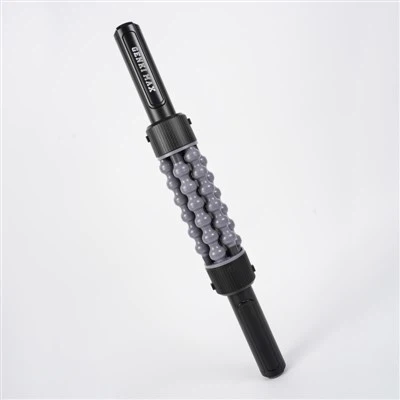
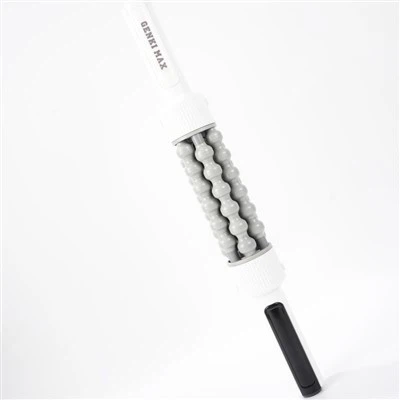
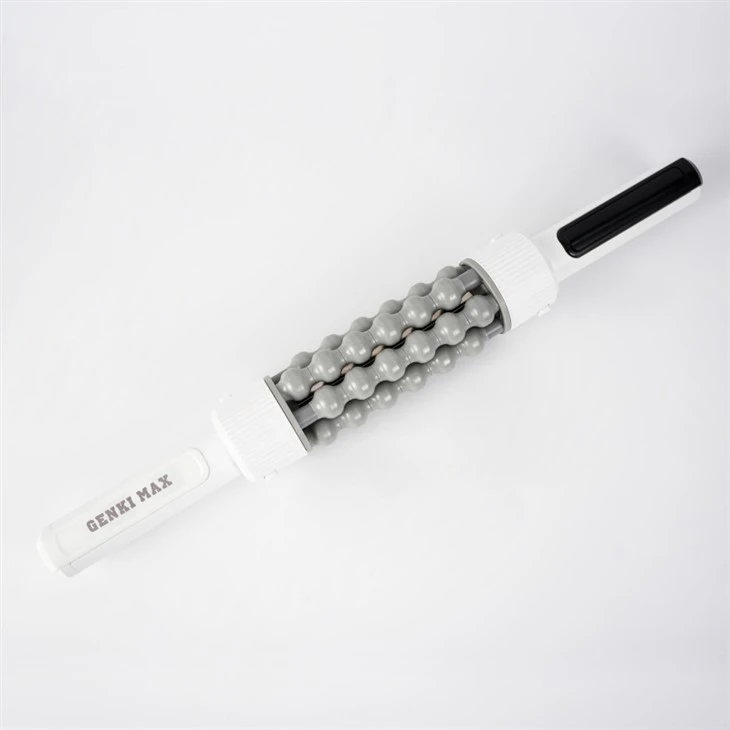
Fascia rollers, such as the Fascia Blaster Roller, Muscle Fascia Roller, and Fascia Body Roller, are designed to target the fascia, a connective tissue that surrounds and supports muscles, tendons, and ligaments. By applying pressure and rolling over the affected area, fascia rollers can help to break up adhesions, improve blood flow, and reduce muscle tension.
Benefits of Using a Fascia Roller on the Vastus Lateralis
- Improved Flexibility: Tightness in the vastus lateralis can restrict the range of motion in the knee joint, making it difficult to perform activities such as bending and straightening the leg. Using a fascia roller on the vastus lateralis can help to loosen up the muscle and improve flexibility, allowing for a greater range of motion.
- Reduced Muscle Soreness: Intense physical activity can cause micro-tears in the muscle fibers, leading to muscle soreness and inflammation. Fascia rolling can help to reduce muscle soreness by increasing blood flow to the area, which delivers oxygen and nutrients to the muscles and helps to remove waste products.
- Prevention of Injury: Tightness and imbalances in the vastus lateralis can increase the risk of injury, especially in the knee joint. By using a fascia roller to maintain flexibility and balance in the muscle, you can help to prevent injuries such as strains, sprains, and tendinitis.
- Enhanced Performance: Improved flexibility and reduced muscle soreness can lead to enhanced performance in sports and other physical activities. By using a fascia roller on the vastus lateralis, you can help to optimize your muscle function and improve your overall performance.
Considerations When Using a Fascia Roller on the Vastus Lateralis
- Start Slowly: If you are new to using a fascia roller, it is important to start slowly and gradually increase the intensity and duration of your sessions. Begin with a few gentle rolls over the vastus lateralis, and gradually increase the pressure as your body gets used to the sensation.
- Use Proper Technique: To get the most out of your fascia rolling session, it is important to use proper technique. Roll the fascia roller slowly and steadily over the vastus lateralis, applying enough pressure to feel a slight discomfort but not pain. Avoid rolling over bony areas or areas with open wounds or injuries.
- Listen to Your Body: Everyone's body is different, and what works for one person may not work for another. Pay attention to how your body feels during and after your fascia rolling session, and adjust the pressure and duration accordingly. If you experience any pain or discomfort, stop immediately and consult a healthcare professional.
- Combine with Other Therapies: Fascia rolling can be a great addition to your overall fitness routine, but it should not be used as a substitute for other therapies such as stretching, strength training, and massage. Combining fascia rolling with these other therapies can help to maximize the benefits and improve your overall health and well-being.
Proper Technique for Using a Fascia Roller on the Vastus Lateralis
- Warm Up: Before using a fascia roller on the vastus lateralis, it is important to warm up the muscle. You can do this by performing some light cardio exercises, such as jogging or cycling, for a few minutes.
- Position the Fascia Roller: Lie on your side with the fascia roller placed under the outer side of your thigh, just above the knee. Make sure the fascia roller is positioned parallel to your leg.
- Roll Slowly: Begin rolling the fascia roller slowly up and down the vastus lateralis, applying enough pressure to feel a slight discomfort but not pain. Focus on any areas that feel tight or tender, and spend a little extra time rolling over these areas.
- Breathe Deeply: As you roll the fascia roller over the vastus lateralis, breathe deeply and slowly. This can help to relax your body and reduce any tension or stress.
- Stretch: After you have finished rolling the fascia roller over the vastus lateralis, it is important to stretch the muscle. You can do this by lying on your back and gently pulling your leg towards your chest, holding the stretch for 30 seconds to 1 minute.
Conclusion

In conclusion, a fascia roller can be a great tool for targeting the vastus lateralis muscle. By using a fascia roller on the vastus lateralis, you can help to improve flexibility, reduce muscle soreness, prevent injury, and enhance performance. However, it is important to use proper technique and listen to your body to avoid any pain or discomfort. If you have any questions or concerns about using a fascia roller on the vastus lateralis, please do not hesitate to contact us. We are here to help you find the right fascia roller for your needs and provide you with the support and guidance you need to get the most out of your fascia rolling sessions.
If you are interested in purchasing a fascia roller for yourself or your business, please feel free to contact us. We offer a wide range of high-quality fascia rollers, including the Fascia Blaster Roller, Muscle Fascia Roller, and Fascia Body Roller. Our products are designed to provide effective and safe fascia rolling therapy, and we are committed to providing our customers with the best possible service and support. Contact us today to learn more about our products and how we can help you achieve your fitness goals.
References
- Bandy, W. D., & Irion, J. M. (1994). The effect of time on static stretch on the flexibility of the hamstring muscles. Physical Therapy, 74(9), 845-850.
- Cheung, K., Hume, P. A., & Maxwell, L. (2003). Delayed onset muscle soreness: treatment strategies and performance factors. Sports Medicine, 33(2), 145-164.
- Knothe Tate, M. L., Grant, M. R., & McCulloch, A. D. (2004). Mechanotransduction and extracellular matrix homeostasis. Nature Reviews Molecular Cell Biology, 5(7), 754-765.
- Schleip, R., & Muller, F. (2013). Fascia: the body's functional fabric. Hand Therapy, 18(1), 9-14.