Plantar fasciitis is a common and often painful condition that affects many individuals, particularly athletes, runners, and those who spend long hours on their feet. It is characterized by inflammation of the plantar fascia, a thick band of tissue that runs across the bottom of the foot and connects the heel bone to the toes. The pain associated with plantar fasciitis can be debilitating, making it difficult to walk, exercise, or even stand for extended periods. As a fascia roller supplier, I often get asked whether a fascia roller can help with plantar fasciitis. In this blog post, I will explore the science behind plantar fasciitis and how a fascia roller may provide relief.
Understanding Plantar Fasciitis
To understand how a fascia roller might help with plantar fasciitis, it's essential to first understand the condition itself. The plantar fascia plays a crucial role in supporting the arch of the foot and absorbing shock during walking and running. When the plantar fascia is overstretched or overused, small tears can occur in the tissue, leading to inflammation and pain.
Common causes of plantar fasciitis include excessive running or walking, wearing improper footwear, obesity, and having high arches or flat feet. The pain is typically most severe in the morning or after long periods of rest, as the plantar fascia tightens up during inactivity.
How Fascia Rollers Work
Fascia rollers are simple yet effective tools designed to apply pressure to the soft tissues of the body, including muscles, tendons, and fascia. The fascia is a thin, connective tissue that surrounds and supports muscles and organs. It can become tight and restricted over time due to factors such as injury, poor posture, and repetitive movements.
When you use a fascia roller, the pressure applied to the soft tissues helps to break up adhesions and knots in the fascia, increase blood flow, and improve flexibility. This process, known as myofascial release, can help to reduce pain, improve range of motion, and enhance overall muscle function.
Can a Fascia Roller Help with Plantar Fasciitis?
Now, let's get to the question at hand: can a fascia roller help with plantar fasciitis? The answer is yes, but with some caveats.
1. Pain Relief
One of the primary benefits of using a fascia roller for plantar fasciitis is pain relief. By applying pressure to the plantar fascia, the roller can help to break up adhesions and knots in the tissue, reducing inflammation and alleviating pain. Many people find that rolling the foot on a fascia roller in the morning or before and after exercise helps to loosen up the plantar fascia and reduce pain throughout the day.
2. Improved Flexibility
Another benefit of using a fascia roller is improved flexibility. The plantar fascia can become tight and restricted in individuals with plantar fasciitis, which can contribute to pain and difficulty walking. By using a fascia roller to stretch and massage the plantar fascia, you can help to increase its flexibility and range of motion, making it easier to move your foot and reducing the risk of further injury.
3. Enhanced Blood Flow
In addition to pain relief and improved flexibility, using a fascia roller can also enhance blood flow to the plantar fascia. Increased blood flow helps to deliver oxygen and nutrients to the tissue, promoting healing and reducing inflammation. This can be particularly beneficial for individuals with plantar fasciitis, as the inflammation and damage to the plantar fascia can impede the body's natural healing process.
4. Precautions
While a fascia roller can be a helpful tool for managing plantar fasciitis, it's important to use it correctly and with caution. Applying too much pressure or rolling too aggressively can cause further damage to the plantar fascia and exacerbate the pain. It's also important to start slowly and gradually increase the intensity of the rolling as your foot becomes more accustomed to the pressure.
Types of Fascia Rollers for Plantar Fasciitis
There are several types of fascia rollers available on the market, each with its own unique features and benefits. Here are some of the most popular types of fascia rollers for plantar fasciitis:
1. Gymstick Fascia Roller
The Gymstick Fascia Roller is a versatile and portable tool that can be used to massage and stretch the plantar fascia. It features a textured surface that provides a deep massage, helping to break up adhesions and knots in the tissue. The compact size of the Gymstick makes it easy to use at home, in the gym, or on the go.
2. Fascia Body Roller
The Fascia Body Roller is a larger roller that can be used to massage the entire foot, including the plantar fascia. It provides a more comprehensive massage than a smaller roller, covering a larger area of the foot and applying more pressure. The Fascia Body Roller is ideal for individuals who prefer a deeper massage or who have more severe plantar fasciitis.
3. Fascia Blaster Roller
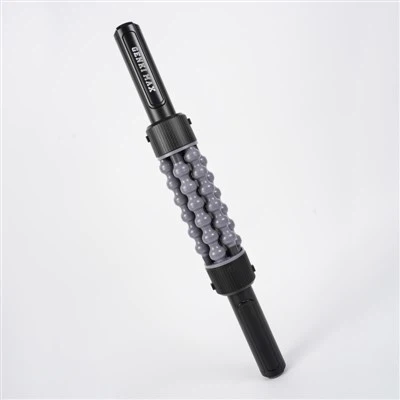
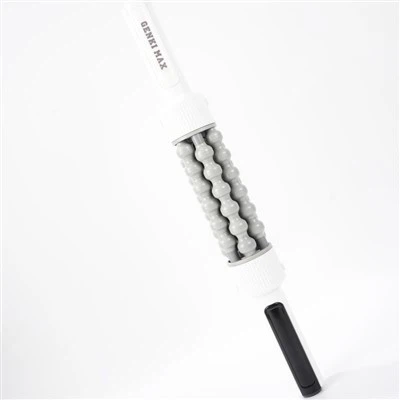
The Fascia Blaster Roller is a unique roller that features multiple heads and a contoured design. It can be used to target specific areas of the foot, including the plantar fascia, and provides a more targeted massage than a traditional roller. The Fascia Blaster Roller is a popular choice among athletes and individuals who are looking for a more intense massage.
How to Use a Fascia Roller for Plantar Fasciitis
Using a fascia roller for plantar fasciitis is relatively simple. Here's a step-by-step guide on how to use a fascia roller to relieve pain and improve flexibility:

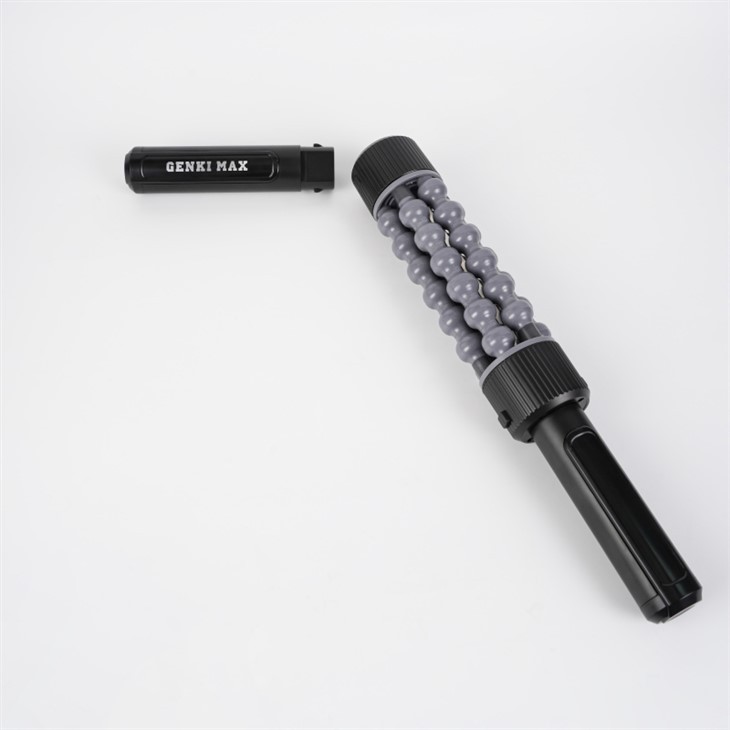
- Choose the Right Roller: Select a fascia roller that is appropriate for your needs and comfort level. If you're new to using a fascia roller, start with a softer roller and gradually work your way up to a firmer one.
- Prepare Your Foot: Sit in a comfortable chair with your foot flat on the ground. You can also place a towel or cushion under your foot to provide additional support.
- Roll the Foot: Place the fascia roller under the ball of your foot and slowly roll it back and forth towards your heel. Apply gentle pressure to the roller, but avoid applying too much pressure or rolling too aggressively.
- Target Specific Areas: If you have specific areas of pain or tightness in your foot, you can focus on those areas by applying more pressure to the roller or holding it in place for a few seconds.
- Stretch the Foot: After rolling the foot, you can stretch the plantar fascia by gently pulling your toes towards your shin. Hold the stretch for 15-30 seconds and repeat several times.
- Repeat Regularly: To get the most benefit from using a fascia roller, it's important to use it regularly. Aim to roll your foot for 5-10 minutes every day, or as recommended by your healthcare provider.
Conclusion
In conclusion, a fascia roller can be a helpful tool for managing plantar fasciitis. By providing pain relief, improving flexibility, and enhancing blood flow to the plantar fascia, a fascia roller can help to reduce inflammation, alleviate pain, and promote healing. However, it's important to use the roller correctly and with caution, and to consult with your healthcare provider before starting any new treatment for plantar fasciitis.
If you're interested in purchasing a fascia roller for plantar fasciitis, we offer a wide range of high-quality fascia rollers, including the Gymstick Fascia Roller, Fascia Body Roller, and Fascia Blaster Roller. Our rollers are designed to provide effective myofascial release and are suitable for individuals of all fitness levels.
If you have any questions or would like to discuss your specific needs, please don't hesitate to contact us. We're here to help you find the right fascia roller for your needs and to support you in your journey towards better foot health.
References
- Ammendolia, C., Magnavita, N., Marotta, G., & Gerdesmeyer, L. (2015). Effectiveness of manual physical therapy and exercise for the treatment of plantar fasciitis: a systematic review and meta-analysis. British Journal of Sports Medicine, 49(17), 1137-1144.
- Dommerholt, J., & Shah, J. P. (2006). Myofascial trigger points: diagnosis and treatment. Muscle & Nerve, 34(1), 106-116.
- Kolt, G. S., & Ferber, R. (2008). The effectiveness of a home-based stretching program for the treatment of plantar fasciitis: a randomized controlled trial. Journal of Foot and Ankle Research, 1(1), 13.