Can a fascia roller help with tight hamstrings?
As a supplier of fascia rollers, I've had numerous customers inquire about the effectiveness of these tools in addressing tight hamstrings. In this blog post, I'll delve into the science behind fascia rollers and their potential benefits for alleviating tightness in the hamstrings.
Understanding the Hamstrings and Fascia
The hamstrings are a group of three muscles located at the back of the thigh: the biceps femoris, semitendinosus, and semimembranosus. These muscles play a crucial role in knee flexion and hip extension, making them essential for activities such as walking, running, and jumping.
Fascia, on the other hand, is a connective tissue that surrounds and supports muscles, bones, and organs throughout the body. It forms a continuous network that helps to transmit forces and maintain the structural integrity of the body. When the fascia becomes tight or restricted, it can lead to pain, stiffness, and reduced range of motion.
Causes of Tight Hamstrings
There are several factors that can contribute to tight hamstrings, including:
- Sedentary Lifestyle: Sitting for long periods of time can cause the hamstrings to shorten and tighten, leading to discomfort and reduced flexibility.
- Overuse or Injury: Engaging in activities that place excessive stress on the hamstrings, such as running or squatting, can cause muscle strains or tears, which can result in tightness and pain.
- Poor Posture: Maintaining poor posture, such as slouching or sitting with crossed legs, can put additional stress on the hamstrings, leading to tightness and discomfort.
- Aging: As we age, our muscles and fascia tend to become less elastic and more prone to tightness and stiffness.
How Fascia Rollers Work
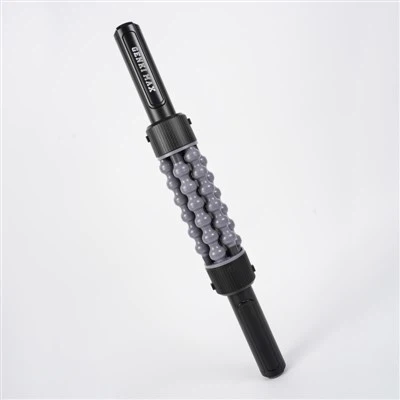
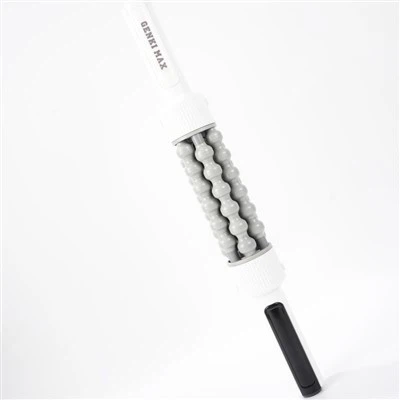
Fascia rollers are cylindrical tools that are designed to apply pressure to the muscles and fascia, helping to release tension and improve flexibility. When you roll the fascia roller over a tight muscle, it stimulates the mechanoreceptors in the fascia, which send signals to the brain to relax the muscle. This process, known as autogenic inhibition, helps to reduce muscle tension and improve blood flow to the area, promoting healing and recovery.
In addition to autogenic inhibition, fascia rolling can also help to break up adhesions and scar tissue in the fascia, which can contribute to tightness and pain. By applying pressure to the affected area, the fascia roller can help to separate the layers of fascia and promote the formation of new, healthy tissue.
Benefits of Using a Fascia Roller for Tight Hamstrings
Using a fascia roller for tight hamstrings can offer several benefits, including:
- Improved Flexibility: By releasing tension in the hamstrings, fascia rolling can help to improve flexibility and range of motion, making it easier to perform daily activities and exercise.
- Reduced Pain and Discomfort: Fascia rolling can help to alleviate pain and discomfort in the hamstrings by reducing muscle tension and improving blood flow to the area.
- Faster Recovery: By promoting healing and recovery, fascia rolling can help to reduce the time it takes for your hamstrings to recover from an injury or overuse.
- Prevention of Injury: By improving flexibility and reducing muscle tension, fascia rolling can help to prevent future injuries to the hamstrings.
How to Use a Fascia Roller for Tight Hamstrings
To use a fascia roller for tight hamstrings, follow these steps:
- Choose the Right Fascia Roller: There are several types of fascia rollers available on the market, each with its own unique features and benefits. When choosing a fascia roller, consider the size, density, and texture of the roller, as well as your personal preferences and needs.
- Warm Up First: Before using the fascia roller, it's important to warm up your muscles to prevent injury. You can do this by performing some light cardio, such as jogging or cycling, or by doing some dynamic stretches, such as leg swings or lunges.
- Position the Fascia Roller: Lie on your back with the fascia roller placed under your hamstrings, just above the knee. Make sure the roller is positioned perpendicular to your leg.
- Roll Slowly and Mindfully: Slowly roll the fascia roller up and down your hamstrings, applying gentle pressure to any tight or tender areas. If you encounter a particularly tight spot, hold the roller in place for a few seconds to allow the muscle to relax.
- Breathe Deeply: As you roll the fascia roller over your hamstrings, take deep, slow breaths to help relax your body and mind. This can help to enhance the effectiveness of the fascia rolling session.
- Repeat on the Other Leg: Once you've finished rolling your hamstrings on one leg, repeat the process on the other leg.
- Cool Down: After using the fascia roller, it's important to cool down your muscles to prevent injury. You can do this by performing some static stretches, such as holding a hamstring stretch for 30 seconds to 1 minute.
Types of Fascia Rollers for Tight Hamstrings
There are several types of fascia rollers available on the market, each with its own unique features and benefits. Some of the most common types of fascia rollers for tight hamstrings include:
- Foam Rollers: Foam rollers are the most popular type of fascia roller, and they are available in a variety of densities and sizes. Foam rollers are relatively inexpensive and easy to use, making them a great option for beginners.
- Massage Balls: Massage balls are small, portable tools that are designed to apply targeted pressure to specific areas of the body. Massage balls are great for working on tight spots in the hamstrings, such as the tendons or the insertion points of the muscles.
- Trigger Point Rollers: Trigger point rollers are similar to foam rollers, but they have a more textured surface that is designed to apply deeper pressure to the muscles and fascia. Trigger point rollers are great for working on stubborn knots and adhesions in the hamstrings.
- Fascia Body Roller: The Fascia Body Roller is a high-quality fascia roller that is designed to provide a deep, intense massage to the muscles and fascia. The Fascia Body Roller has a unique design that allows it to target specific areas of the body, making it a great option for treating tight hamstrings.
- Muscle Fascia Roller: The Muscle Fascia Roller is a versatile fascia roller that is designed to provide a gentle, yet effective massage to the muscles and fascia. The Muscle Fascia Roller has a smooth surface that is easy to roll over the skin, making it a great option for beginners or those with sensitive skin.
- Fascia Blaster Roller: The Fascia Blaster Roller is a popular fascia roller that is designed to break up adhesions and scar tissue in the fascia. The Fascia Blaster Roller has a unique design that allows it to apply deep pressure to the muscles and fascia, making it a great option for treating stubborn knots and adhesions in the hamstrings.
Tips for Using a Fascia Roller Safely
While fascia rolling can be a safe and effective way to alleviate tightness and pain in the hamstrings, it's important to use the tool safely to avoid injury. Here are some tips for using a fascia roller safely:
- Start Slowly: If you're new to fascia rolling, start slowly and gradually increase the intensity and duration of your sessions as your body gets used to the pressure.
- Use Proper Form: Make sure you're using the fascia roller correctly to avoid putting unnecessary stress on your joints or muscles. Keep your back straight, your core engaged, and your movements slow and controlled.
- Listen to Your Body: If you experience any pain or discomfort while using the fascia roller, stop immediately and consult a healthcare professional.
- Clean Your Fascia Roller Regularly: To prevent the growth of bacteria and other microorganisms, make sure you clean your fascia roller regularly with a mild soap and water.
Conclusion
In conclusion, fascia rollers can be a valuable tool for alleviating tightness and pain in the hamstrings. By applying pressure to the muscles and fascia, fascia rollers can help to release tension, improve flexibility, and promote healing and recovery. If you're struggling with tight hamstrings, I encourage you to give fascia rolling a try. With regular use, you may notice a significant improvement in your flexibility, mobility, and overall well-being.
If you're interested in purchasing a fascia roller for your hamstrings or other muscles, please don't hesitate to contact us for more information. We offer a wide range of high-quality fascia rollers at competitive prices, and our team of experts is always available to answer your questions and provide you with personalized recommendations.


References
- Behm, D. G., & Kibler, W. B. (2014). The role of stretching in injury prevention: a literature review. British Journal of Sports Medicine, 48(10), 773-778.
- Cheung, K., Hume, P. A., & Maxwell, L. (2003). The effect of massage on delayed onset muscle soreness, swelling, and recovery of muscle function. Sports Medicine, 33(2), 103-113.
- Kraemer, W. J., & Ratamess, N. A. (2004). Fundamentals of resistance training: progression and exercise prescription. Medicine & Science in Sports & Exercise, 36(4), 674-688.
- Myer, G. D., Ford, K. R., & Hewett, T. E. (2008). Anterior cruciate ligament injuries in female athletes. Part 2: a review of neuromuscular interventions aimed at injury prevention. American Journal of Sports Medicine, 36(5), 994-1009.