Flexibility is a crucial aspect of physical fitness that often gets overlooked. It plays a significant role in preventing injuries, improving posture, and enhancing overall athletic performance. In recent years, fascia rollers have gained popularity as a tool to improve flexibility. As a fascia roller supplier, I've witnessed firsthand the growing interest in these products and the questions that come with them. One of the most common questions is, "Can a fascia roller improve flexibility?" In this blog post, I'll explore the science behind fascia rollers and their potential to enhance flexibility.
Understanding Fascia
Before diving into the effectiveness of fascia rollers, it's essential to understand what fascia is. Fascia is a thin, connective tissue that surrounds and penetrates every muscle, bone, nerve, blood vessel, and organ in the body. It provides support and protection, helps transmit forces between muscles, and plays a role in maintaining the body's structural integrity.


Over time, fascia can become tight, restricted, or adhesed due to factors such as injury, repetitive motion, poor posture, or lack of movement. When this happens, it can limit the range of motion in the affected area and contribute to pain and discomfort.
How Fascia Rollers Work
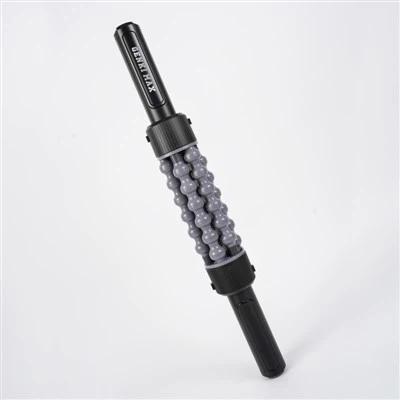
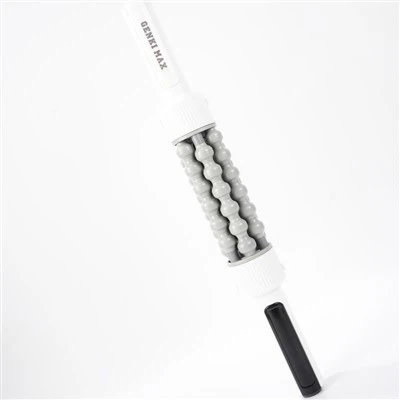
Fascia rollers are cylindrical tools typically made of foam, plastic, or other materials. They come in various sizes, densities, and textures to suit different needs and preferences. The basic idea behind using a fascia roller is to apply pressure to the fascia, which can help break up adhesions, increase blood flow, and improve tissue mobility.
When you roll a fascia roller over a muscle or area of the body, it creates a mechanical force that stimulates the sensory receptors in the fascia. This stimulation can trigger a relaxation response in the muscles, reducing muscle tension and allowing for greater flexibility. Additionally, the pressure from the roller can help stretch and elongate the fascia, improving its elasticity and range of motion.
Scientific Evidence
While there is a growing body of anecdotal evidence suggesting that fascia rollers can improve flexibility, the scientific research on this topic is still limited. However, several studies have shown promising results.
A study published in the Journal of Strength and Conditioning Research found that foam rolling for just two minutes before a workout significantly increased hip and knee flexibility compared to a control group. Another study in the International Journal of Sports Physical Therapy showed that using a fascia roller on the calves improved ankle dorsiflexion range of motion.
These studies suggest that fascia rolling can have a positive impact on flexibility, at least in the short term. However, more research is needed to determine the long-term effects and the optimal frequency and duration of fascia rolling for flexibility improvement.
Benefits of Using a Fascia Roller for Flexibility
Even with the limited scientific evidence, there are several potential benefits of using a fascia roller to improve flexibility:
- Increased Range of Motion: By breaking up adhesions and improving tissue mobility, fascia rollers can help increase the range of motion in joints and muscles. This can be particularly beneficial for athletes, dancers, and individuals who engage in activities that require a wide range of motion.
- Reduced Muscle Soreness: Fascia rolling can help reduce muscle soreness and inflammation after a workout. By increasing blood flow to the muscles, it can speed up the recovery process and allow you to get back to your activities more quickly.
- Improved Posture: Tight fascia can contribute to poor posture by pulling the body out of alignment. Using a fascia roller to release tension in the fascia can help improve posture and reduce the risk of developing musculoskeletal problems.
- Enhanced Performance: Greater flexibility can lead to improved athletic performance. By allowing your muscles to move more freely, you can generate more power and efficiency in your movements.
Types of Fascia Rollers
There are several types of fascia rollers available on the market, each with its own unique features and benefits. Here are some of the most common types:
- Muscle Fascia Roller: These rollers are typically made of dense foam or plastic and are designed to target specific muscles and areas of the body. They are great for deep tissue massage and can help break up stubborn adhesions.
- Fascia Blaster Roller: This type of roller has a unique design with multiple spikes or nodes that provide a more intense massage. It is often used to target cellulite and improve skin texture, but it can also be effective for improving flexibility.
- Gymstick Fascia Roller: Gymstick rollers are long, cylindrical tools that are ideal for self-myofascial release on larger muscle groups, such as the back, legs, and shoulders. They are easy to use and can provide a full-body massage.
How to Use a Fascia Roller for Flexibility
Using a fascia roller is relatively simple, but it's important to use it correctly to avoid injury. Here are some general guidelines:
- Warm Up First: It's a good idea to warm up your muscles before using a fascia roller. You can do this by doing some light cardio, such as jogging in place or jumping jacks, or by using a heating pad or warm towel on the area you want to roll.
- Start Slowly: Begin by applying gentle pressure to the roller and slowly rolling it over the muscle or area of the body. If you feel any pain or discomfort, stop immediately and adjust the pressure or position of the roller.
- Focus on Problem Areas: Pay special attention to areas of the body that feel tight or restricted. You can spend more time rolling these areas to help break up adhesions and improve flexibility.
- Breathe Deeply: As you roll the fascia roller, take slow, deep breaths. This can help relax your muscles and enhance the effectiveness of the massage.
- Roll for 1-2 Minutes per Area: Aim to roll each area of the body for 1-2 minutes. You can repeat this process several times a day, depending on your needs and preferences.
Conclusion
So, can a fascia roller improve flexibility? While the scientific evidence is still limited, there is growing anecdotal evidence and some research to suggest that fascia rolling can have a positive impact on flexibility. By breaking up adhesions, increasing blood flow, and improving tissue mobility, fascia rollers can help increase the range of motion in joints and muscles, reduce muscle soreness, improve posture, and enhance athletic performance.
As a fascia roller supplier, I believe that fascia rollers are a valuable tool for anyone looking to improve their flexibility and overall physical health. Whether you're an athlete, a fitness enthusiast, or someone who simply wants to feel better in your body, a fascia roller can be a great addition to your wellness routine.
If you're interested in learning more about our fascia rollers or would like to discuss purchasing options, please don't hesitate to reach out. We're here to help you find the right fascia roller for your needs and answer any questions you may have.
References
- Journal of Strength and Conditioning Research
- International Journal of Sports Physical Therapy