Can a Fascia Roller Machine Be Used for Deep Tissue Massage?
In the realm of fitness, recovery, and body wellness, deep - tissue massage has long been recognized as a powerful tool. It targets the deeper layers of muscles and connective tissues, helping to alleviate pain, reduce muscle tension, and improve overall physical function. With the rise of self - care and at - home fitness trends, fascia roller machines have become increasingly popular. But the question remains: can a fascia roller machine be used for deep tissue massage?
Understanding Deep Tissue Massage
Deep tissue massage is a therapeutic technique that focuses on realigning deeper layers of muscles and connective tissue. It involves applying slow, deliberate pressure using fingers, thumbs, elbows, or specialized tools to reach the deeper muscle layers. This type of massage is particularly effective for individuals with chronic pain, limited mobility, or those who engage in high - intensity physical activities. The benefits of deep tissue massage include breaking up scar tissue, improving blood circulation, and releasing toxins from the muscles.
How Fascia Roller Machines Work
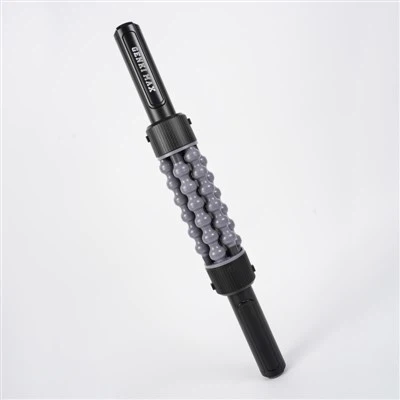
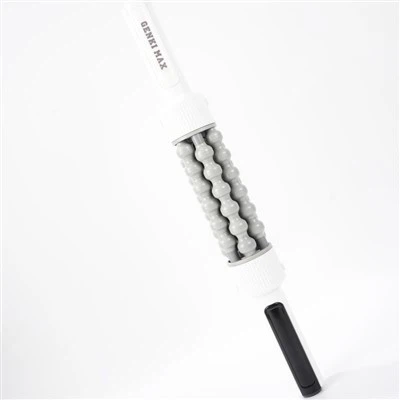
Fascia roller machines, also known as muscle rollers, are designed to mimic the effects of manual massage. These devices typically consist of a rolling element that moves over the body's surface, applying pressure to the muscles and fascia. Some fascia roller machines are manual, requiring the user to roll the device back and forth over the targeted area, while others are electric, offering additional features such as vibration and adjustable speed settings.
The primary function of a fascia roller machine is to stimulate blood flow to the muscles, reduce muscle soreness, and improve flexibility. By applying pressure to the fascia, these machines can help to break up adhesions and knots in the muscles, which can lead to improved range of motion and reduced pain.


Can Fascia Roller Machines Provide Deep Tissue Massage?
The answer to whether a fascia roller machine can be used for deep tissue massage is a bit nuanced. While these machines can offer some of the benefits associated with deep tissue massage, they may not fully replicate the experience of a professional deep - tissue massage.
On one hand, fascia roller machines can penetrate the superficial layers of the muscles and fascia, providing a form of self - myofascial release. The pressure applied by the roller can help to loosen tight muscles and improve blood circulation, which are key components of deep tissue massage. Additionally, some advanced fascia roller machines, such as the Vibration Electric Muscle Roller, offer adjustable intensity settings and vibration functions that can enhance the massage experience and potentially reach deeper muscle layers.
On the other hand, professional deep - tissue massage therapists have the expertise to apply precise pressure and use a variety of techniques to target specific areas of the body. They can also adjust the pressure based on the client's pain tolerance and individual needs. In contrast, fascia roller machines may have limitations in terms of the depth and precision of the pressure they can apply. For example, they may not be able to access certain hard - to - reach areas or apply the same level of pressure as a trained therapist.
Advantages of Using a Fascia Roller Machine for Deep Tissue - Like Massage
- Convenience: One of the biggest advantages of using a fascia roller machine is its convenience. You can use it at home, in the gym, or even while traveling. This allows you to perform self - massage whenever you need it, without having to schedule an appointment with a massage therapist.
- Cost - effective: Professional deep - tissue massages can be expensive, especially if you need regular sessions. A fascia roller machine is a one - time investment that can provide long - term benefits. You can use it as often as you like without incurring additional costs.
- Customization: Many fascia roller machines offer adjustable settings, allowing you to customize the massage experience based on your needs. For example, you can adjust the speed, intensity, and vibration level of the Smart Electric Muscle Roller to target different muscle groups and address specific issues.
Limitations of Fascia Roller Machines for Deep Tissue Massage
- Lack of Professional Expertise: As mentioned earlier, fascia roller machines lack the professional expertise of a trained massage therapist. They cannot diagnose underlying medical conditions or provide personalized advice based on your specific needs.
- Limited Reach: Some areas of the body, such as the neck, shoulders, and lower back, can be difficult to reach with a fascia roller machine. In these cases, it may be challenging to apply the right amount of pressure or use the machine effectively.
- Inability to Adapt to Individual Needs: Everyone's body is different, and the amount of pressure and type of massage required can vary from person to person. A fascia roller machine may not be able to adapt to these individual differences as effectively as a human therapist.
Choosing the Right Fascia Roller Machine for Deep Tissue - Like Massage
If you're considering using a fascia roller machine for deep tissue - like massage, there are several factors to consider:
- Type of Machine: Decide whether you prefer a manual or electric fascia roller machine. Manual machines are generally more affordable and portable, while electric machines offer additional features and adjustable settings.
- Intensity and Pressure Settings: Look for a machine that offers adjustable intensity and pressure settings. This will allow you to customize the massage experience based on your needs and pain tolerance.
- Size and Shape: Consider the size and shape of the roller. A larger roller may be more suitable for massaging larger muscle groups, while a smaller roller can be used for more targeted areas.
- Additional Features: Some fascia roller machines come with additional features such as vibration, heat therapy, or multiple attachments. These features can enhance the massage experience and provide additional benefits. For example, the Cellulite Blaster Roller may offer specific functions to target cellulite in addition to muscle massage.
Conclusion
While a fascia roller machine cannot fully replace a professional deep - tissue massage, it can be a valuable tool for self - care and muscle recovery. These machines can provide many of the benefits associated with deep tissue massage, such as improved blood circulation, reduced muscle soreness, and increased flexibility. By choosing the right fascia roller machine and using it correctly, you can enjoy the convenience and cost - effectiveness of at - home massage.
If you're interested in incorporating a fascia roller machine into your fitness or wellness routine, we're here to help. As a leading supplier of fascia roller machines, we offer a wide range of high - quality products to meet your needs. Whether you're a professional athlete, a fitness enthusiast, or someone looking to relieve muscle tension and pain, our machines are designed to provide effective and comfortable massage experiences. Contact us to learn more about our products and start your journey towards better muscle health.
References
- Bandy, W. D., & Irion, J. M. (2002). The effect of time on static stretch on the flexibility of the hamstring muscles. Physical Therapy, 82(3), 295 - 303.
- Feland, J. B., Myrer, J. W., & Schulthies, S. S. (2001). The effects of three stretching techniques on hamstring flexibility. Journal of Orthopaedic & Sports Physical Therapy, 31(11), 611 - 616.
- Wallwork, B. C., & Brown, M. J. (2018). The effects of foam rolling on range of motion, muscle recovery, and performance: A systematic review. Sports Medicine, 48(10), 2379 - 2395.