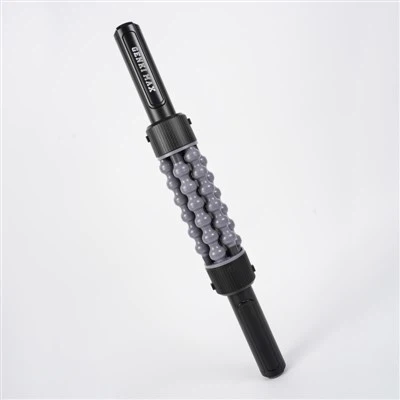
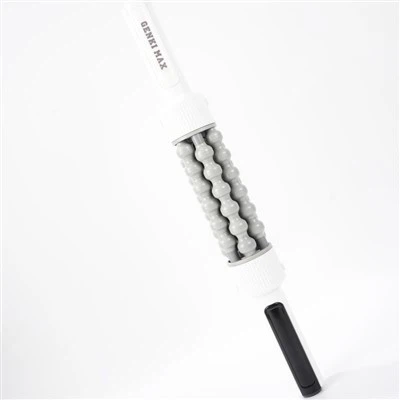
As a supplier of fascia roller machines, I often receive inquiries from customers about the appropriate usage of these devices. One question that has come up frequently is whether a fascia roller machine can be used on the temporalis muscles. In this blog post, I'll delve into the anatomy of the temporalis muscles, the potential benefits and risks of using a fascia roller machine on them, and provide some guidelines for safe and effective use.
Understanding the Temporalis Muscles
The temporalis muscles are a pair of large, fan - shaped muscles located on the sides of the head. They originate from the temporal fossa, a depression in the skull, and insert into the coronoid process of the mandible. These muscles play a crucial role in the movement of the jaw, specifically in elevation and retraction of the mandible during activities such as chewing, biting, and speaking.
The temporalis muscles can become tight and tense due to various factors, including stress, teeth grinding (bruxism), excessive chewing, and poor posture. Tight temporalis muscles can lead to discomfort, headaches, and even temporomandibular joint (TMJ) disorders.
Potential Benefits of Using a Fascia Roller Machine on the Temporalis Muscles
Muscle Relaxation
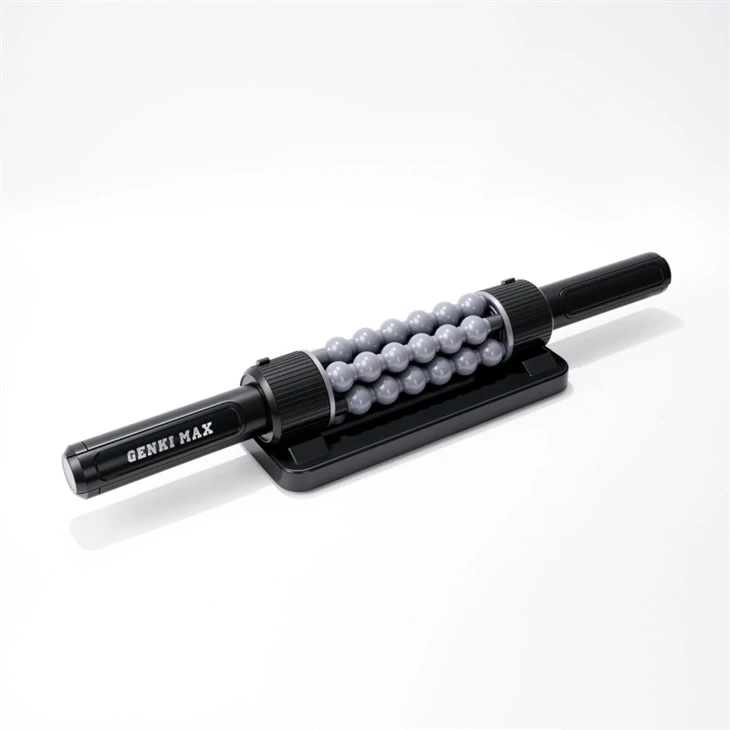
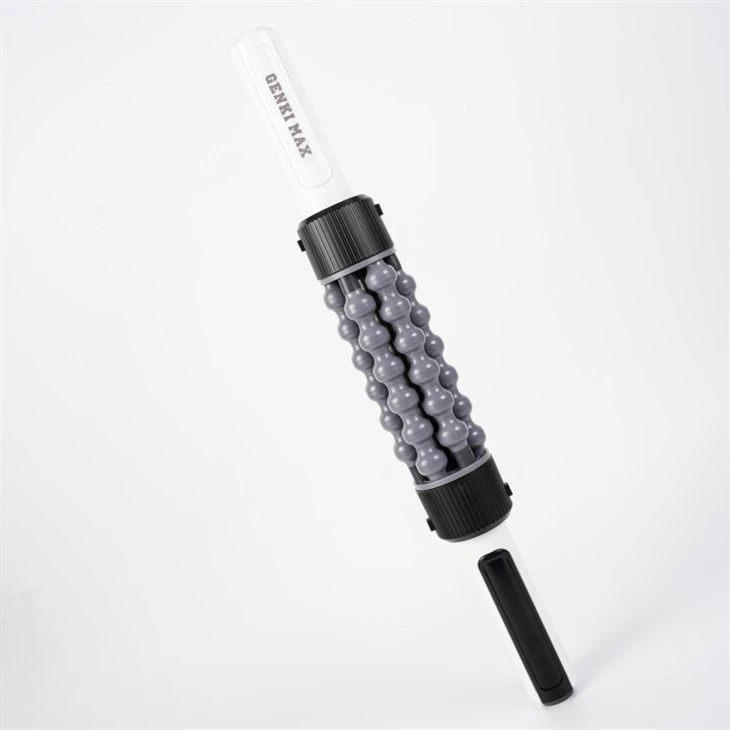
A fascia roller machine, such as our Vibration Electric Muscle Roller, can provide gentle pressure and vibration to the temporalis muscles. This can help to relax the muscle fibers, reduce muscle tension, and alleviate pain associated with tightness. By applying the roller machine to the area, it can stimulate blood flow to the muscles, which in turn promotes the delivery of oxygen and nutrients and the removal of waste products.
Improved Mobility
When the temporalis muscles are tight, it can restrict the movement of the jaw. Using a fascia roller machine to loosen these muscles may enhance the range of motion of the mandible, making it easier to open and close the mouth, chew, and speak without discomfort.
Pain Relief
For individuals suffering from headaches or TMJ disorders related to temporalis muscle tension, the use of a fascia roller machine may offer some relief. The gentle massage - like action of the roller can help to ease the pain and discomfort associated with these conditions.
Risks and Precautions
Sensitivity of the Area
The temporalis muscles are located close to the skull and are covered by a relatively thin layer of skin and tissue. This makes them more sensitive compared to other larger muscle groups in the body. When using a fascia roller machine on the temporalis muscles, it is essential to use a gentle touch. Applying too much pressure can cause pain, bruising, or even damage to the muscles or surrounding tissues.
Avoiding the Eyes and Ears
When using the fascia roller machine on the temporalis muscles, it is crucial to be careful not to come into contact with the eyes or ears. The eyes are extremely delicate, and any accidental impact can cause serious injury. Similarly, the ears are sensitive organs, and improper use of the roller machine near them can lead to discomfort or damage.
Underlying Medical Conditions
Individuals with certain medical conditions, such as TMJ disorders, skull fractures, or neurological conditions, should consult a healthcare professional before using a fascia roller machine on the temporalis muscles. These conditions may require specific treatment and the use of a roller machine could potentially exacerbate the problem if not used correctly.
Guidelines for Using a Fascia Roller Machine on the Temporalis Muscles
Choose the Right Roller
We offer a variety of fascia roller machines, including the Plastic Muscle Roller and the Fitness Electric Muscle Roller. For use on the temporalis muscles, a smaller, more flexible roller may be more appropriate as it can better conform to the shape of the area.
Start Slowly
Begin by applying very light pressure with the roller machine on the temporalis muscles. Roll the device gently back and forth in a slow, controlled manner. Pay attention to how your muscles feel and gradually increase the pressure if necessary, but always stay within a comfortable range.
Use Short Sessions
Limit each session to a few minutes at a time. Frequent, short sessions are often more effective and safer than long, intense sessions. You can repeat these sessions several times a day if needed.
Combine with Other Techniques
Using a fascia roller machine can be complemented with other relaxation techniques, such as gentle stretching of the jaw muscles, deep breathing, and stress - management exercises. This holistic approach can enhance the overall benefits of muscle relaxation.
Conclusion
In conclusion, a fascia roller machine can be used on the temporalis muscles, but it should be done with caution. When used correctly, it can offer benefits such as muscle relaxation, improved mobility, and pain relief. However, due to the sensitivity of the area and potential risks, it is important to follow the guidelines mentioned above.
If you are interested in purchasing a high - quality fascia roller machine for your personal use or for resale, we are here to assist you. Our range of products is designed to meet different needs and preferences. Whether you are a fitness enthusiast looking to relieve muscle tension or a business owner seeking reliable products for your customers, we can provide you with the right solutions. Contact us to start a procurement discussion and discover how our fascia roller machines can add value to your life or business.
References
- Standring, S. (Ed.). (2016). Gray's Anatomy: The Anatomical Basis of Clinical Practice. Elsevier.
- Simons, D. G., Travell, J. G., & Simons, L. S. (1999). Travell & Simons' Myofascial Pain and Dysfunction: The Trigger Point Manual. Lippincott Williams & Wilkins.