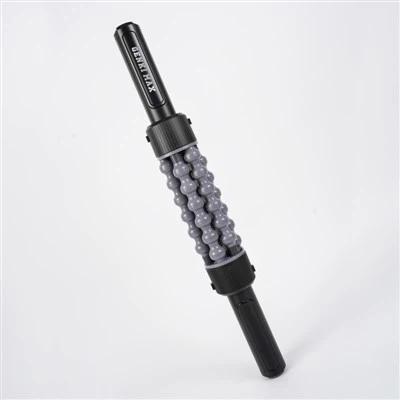
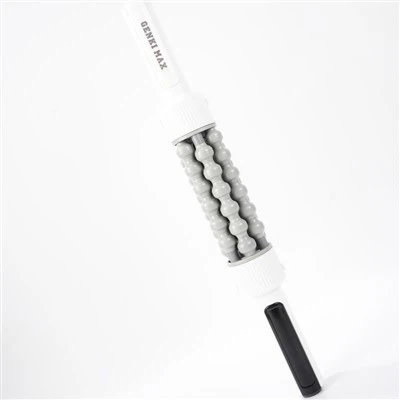
As a dedicated supplier of fascia roller sticks, I've witnessed firsthand the growing interest in these tools for various types of physical therapy and muscle recovery. One question that frequently comes up is whether a fascia roller stick can be used effectively for runner's knee. In this blog post, I'll explore the science behind runner's knee, how fascia roller sticks work, and whether they can offer relief for this common running injury.
Understanding Runner's Knee
Runner's knee, also known as patellofemoral pain syndrome (PFPS), is a prevalent condition among runners and other athletes. It is characterized by pain around or behind the kneecap (patella). The pain can range from mild discomfort to severe pain that affects daily activities.
The root causes of runner's knee are multifactorial. Overuse is a common culprit, especially when there is a sudden increase in running intensity, duration, or frequency. Muscle imbalances, particularly in the quadriceps, hamstrings, and hip muscles, can also contribute to the problem. Tightness in the iliotibial (IT) band, a thick band of tissue that runs along the outside of the thigh, is another factor that can lead to increased stress on the kneecap.
How Fascia Roller Sticks Work
Fascia is a connective tissue that surrounds muscles, bones, and organs. It plays a crucial role in maintaining the structure and function of the body. When muscles are overused or injured, the fascia can become tight and restricted, leading to pain, reduced mobility, and decreased performance.
A fascia roller stick is a simple yet effective tool designed to apply pressure to the fascia and muscles. By rolling the stick over the affected area, you can help to break up adhesions in the fascia, increase blood flow to the muscles, and reduce muscle tension. This process is known as myofascial release.
Myofascial release has several benefits for the body. It can help to improve flexibility, reduce pain, and enhance muscle recovery. By targeting the fascia, a roller stick can also help to correct muscle imbalances and improve overall movement patterns.
Using a Fascia Roller Stick for Runner's Knee
So, can a fascia roller stick be used for runner's knee? The answer is yes, but with some important considerations.
Targeting the IT Band
As mentioned earlier, tightness in the IT band is a common contributing factor to runner's knee. Using a fascia roller stick to massage the IT band can help to release tension and reduce stress on the kneecap. To do this, lie on your side with the roller stick under the outside of your thigh. Slowly roll the stick up and down the length of the IT band, applying gentle pressure. Be careful not to apply too much pressure, as this can cause pain and further irritation.
Massaging the Quadriceps and Hamstrings
Muscle imbalances in the quadriceps and hamstrings can also contribute to runner's knee. Using a fascia roller stick to massage these muscles can help to improve their strength and flexibility. For the quadriceps, lie face down with the roller stick under your thigh. Roll the stick up and down from the hip to the knee, focusing on any tight or tender areas. For the hamstrings, sit on the floor with the roller stick under the back of your thigh. Roll the stick up and down from the knee to the hip.
Improving Blood Flow to the Knee
In addition to targeting the IT band and the surrounding muscles, using a fascia roller stick can also help to improve blood flow to the knee joint. Increased blood flow can help to reduce inflammation and promote healing. To do this, gently roll the stick around the kneecap, applying light pressure.


Complementary Therapies
While a fascia roller stick can be a useful tool for managing runner's knee, it should not be used as the sole treatment. It is important to combine it with other therapies, such as stretching, strengthening exercises, and proper rest. Stretching exercises can help to improve flexibility in the muscles around the knee, while strengthening exercises can help to correct muscle imbalances. Rest is also crucial for allowing the body to heal.
Our Range of Fascia Roller Sticks
At our company, we offer a wide range of fascia roller sticks to meet the needs of different users. Our Portable Electric Muscle Roller is a great option for those who are always on the go. It is lightweight and easy to carry, making it perfect for use at the gym, at home, or while traveling. The electric motor provides a consistent and adjustable level of pressure, making it suitable for both beginners and experienced users.
Our Vibration Electric Muscle Roller takes myofascial release to the next level. The vibration feature helps to further stimulate the muscles and fascia, enhancing the effectiveness of the massage. This roller is especially beneficial for those with chronic pain or tightness.
For those on a budget, our Plastic Muscle Roller is a great option. It is made from high-quality plastic and is designed to provide a firm yet comfortable massage. Despite its affordable price, it still offers many of the benefits of more expensive roller sticks.
Conclusion
In conclusion, a fascia roller stick can be a valuable tool for managing runner's knee. By targeting the fascia and muscles around the knee, a roller stick can help to reduce pain, improve flexibility, and enhance muscle recovery. However, it is important to use the roller stick correctly and in combination with other therapies.
If you are interested in purchasing a fascia roller stick for yourself or your clients, we would be happy to assist you. Our team of experts can provide you with more information about our products and help you choose the right one for your needs. Contact us today to start a conversation about your procurement requirements.
References
- Clark, M. A., Lucett, S. C., & Corn, R. (2014). NASM Essentials of Personal Fitness Training. Lippincott Williams & Wilkins.
- Knothe Tate, M. L., & Grant, G. (2008). The role of fascia in muscle function. Journal of Bodywork and Movement Therapies, 12(1), 10-19.
- Mellion, M. B., Walsh, W. M., & Shelton, G. L. (2015). The Team Physician's Handbook. Human Kinetics.