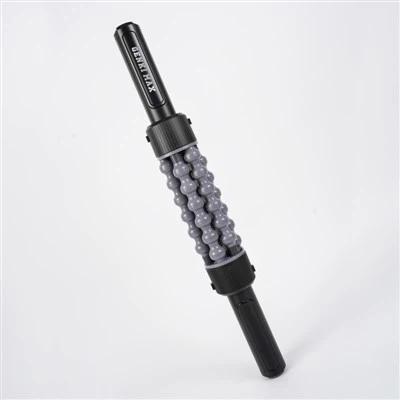
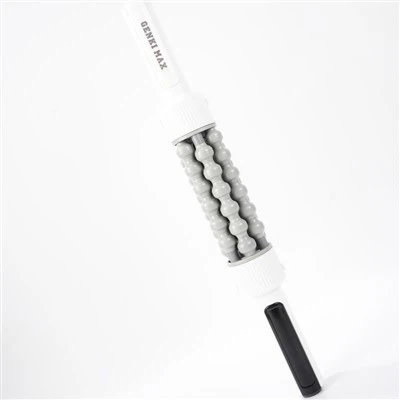
Can a fascia rolling stick be used on areas with sciatica?
Sciatica is a common and often debilitating condition that affects many people around the world. It is characterized by pain that radiates along the path of the sciatic nerve, which runs from the lower back through the hips and buttocks and down each leg. As a fascia rolling stick supplier, I often get asked whether our products can be used on areas affected by sciatica. In this blog post, I will explore this question in detail and provide some insights based on scientific research and practical experience.
Understanding Sciatica
Before delving into the use of fascia rolling sticks for sciatica, it's important to understand what causes this condition. Sciatica is typically caused by a herniated disk in the spine, bone spurs, or narrowing of the spinal canal (spinal stenosis). These issues can put pressure on the sciatic nerve, leading to pain, numbness, tingling, and weakness in the affected leg.
The pain associated with sciatica can range from mild to severe and may be exacerbated by sitting for long periods, standing, walking, or certain movements. Treatment for sciatica often includes a combination of rest, physical therapy, pain medications, and in some cases, surgery.
How Fascia Rolling Sticks Work
Fascia is a connective tissue that surrounds muscles, bones, nerves, and organs throughout the body. It plays a crucial role in providing support, stability, and flexibility. However, fascia can become tight, restricted, or adhesed due to factors such as injury, overuse, or poor posture. This can lead to pain, reduced range of motion, and muscle imbalances.

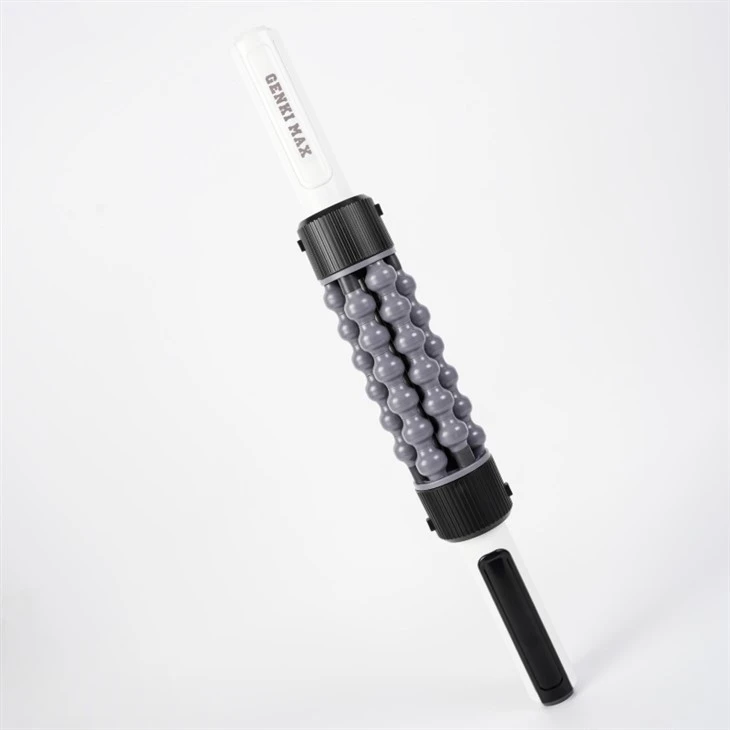
Fascia rolling sticks are designed to apply pressure to the fascia, helping to break up adhesions, increase blood flow, and improve tissue mobility. By using a rolling stick, you can target specific areas of the body and release tension in the fascia, which may help to alleviate pain and improve overall function.
Using Fascia Rolling Sticks for Sciatica
So, can a fascia rolling stick be used on areas with sciatica? The answer is yes, but with some important considerations.
Benefits of Using Fascia Rolling Sticks for Sciatica
- Pain Relief: Applying pressure to the muscles and fascia around the sciatic nerve can help to reduce pain and inflammation. The rolling action can stimulate the release of endorphins, which are natural painkillers produced by the body.
- Improved Blood Flow: Increased blood flow to the affected area can promote healing and reduce muscle tension. This can help to alleviate the symptoms of sciatica and improve overall recovery.
- Enhanced Flexibility and Range of Motion: By breaking up adhesions in the fascia, a rolling stick can help to improve flexibility and range of motion in the hips, buttocks, and legs. This can make it easier to perform daily activities and reduce the risk of further injury.
- Muscle Relaxation: Tight muscles can contribute to the compression of the sciatic nerve. Using a fascia rolling stick can help to relax these muscles, reducing pressure on the nerve and relieving pain.
Precautions and Considerations
- Consult a Healthcare Professional: Before using a fascia rolling stick on areas affected by sciatica, it's important to consult with a healthcare professional, such as a doctor or physical therapist. They can provide personalized advice based on your specific condition and help you determine whether rolling is appropriate for you.
- Start Slowly: If you decide to use a fascia rolling stick, start slowly and gently. Apply light pressure and gradually increase the intensity as your body gets used to the sensation. Avoid applying too much pressure, especially if you experience pain or discomfort.
- Target the Right Areas: Focus on the muscles and fascia around the sciatic nerve, such as the glutes, hamstrings, and piriformis. These muscles are often tight and can contribute to sciatica. However, be careful not to roll directly over the sciatic nerve itself, as this can cause further irritation.
- Use Proper Technique: When using a fascia rolling stick, use slow, controlled movements. Roll back and forth over the affected area for several minutes, paying attention to any areas of tightness or tenderness. You can also use circular or figure-eight motions to target specific areas.
- Listen to Your Body: If you experience any pain, discomfort, or worsening of symptoms during or after rolling, stop immediately and consult with a healthcare professional.
Our Fascia Rolling Stick Products
As a fascia rolling stick supplier, we offer a range of high-quality products designed to meet the needs of different users. Our Plastic Muscle Roller is lightweight and durable, making it ideal for home use. It features a smooth surface that glides easily over the skin, providing a comfortable rolling experience.
For those looking for a more advanced option, our Smart Electric Muscle Roller offers adjustable speed and intensity settings, allowing you to customize your massage experience. It also comes with a built-in rechargeable battery, making it convenient to use anywhere.
If you prefer a vibrating massage, our Vibration Electric Muscle Roller is a great choice. The vibration function helps to further relax the muscles and enhance the benefits of rolling.
Conclusion
In conclusion, a fascia rolling stick can be a useful tool for managing the symptoms of sciatica. By applying pressure to the muscles and fascia around the sciatic nerve, it can help to reduce pain, improve blood flow, and enhance flexibility. However, it's important to use the rolling stick correctly and consult with a healthcare professional before starting any new treatment.
If you're interested in purchasing a fascia rolling stick for sciatica or other muscle-related issues, we invite you to explore our range of products. Our team is always available to answer any questions you may have and help you find the right product for your needs. Contact us today to start a discussion about your procurement requirements and take the first step towards better health and well-being.
References
- American Academy of Orthopaedic Surgeons. (2023). Sciatica. Retrieved from [Website URL]
- Kuchera, M. L., & Kuchera, W. A. (2000). Osteopathic principles in practice. Lippincott Williams & Wilkins.
- Myer, G. D., Ford, K. R., & Hewett, T. E. (2008). Reducing knee and anterior cruciate ligament injuries in female athletes: a systematic review of neuromuscular training programs. Journal of Orthopaedic & Sports Physical Therapy, 38(4), 193-205.