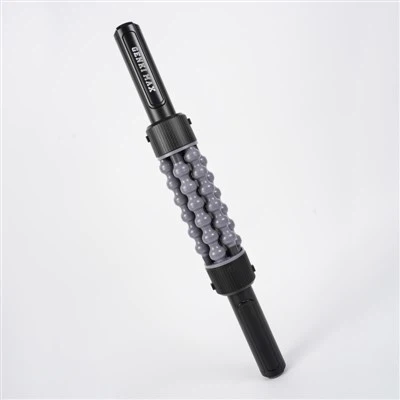
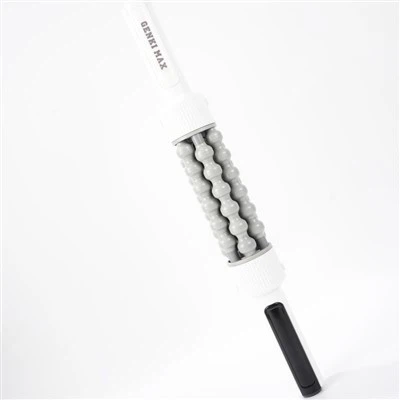
Hey there, fellow dance enthusiasts! As a supplier of fascia stretching foam rollers, I've been getting a lot of questions lately about whether these nifty tools can be used for dance recovery. Well, you're in the right place because I'm gonna break it down for you.
First off, let's talk about what fascia is. Fascia is this thin, fibrous connective tissue that wraps around your muscles, bones, and organs. It's like a big, stretchy net that holds everything in place. When you dance, you're constantly moving your body in all sorts of ways, and that can put a lot of stress on your fascia. Over time, this stress can cause the fascia to become tight and restricted, which can lead to pain, stiffness, and even injury.
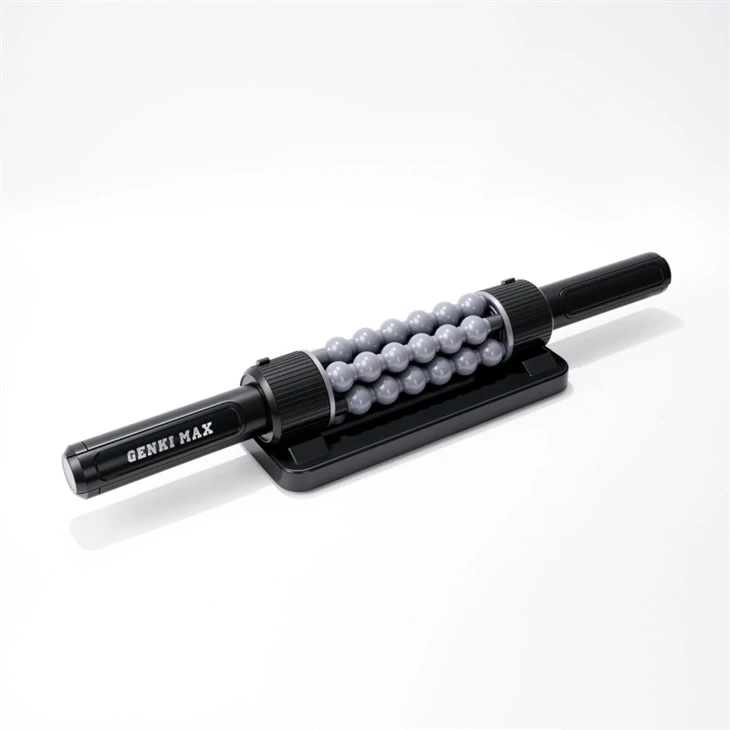
That's where a fascia stretching foam roller comes in. These rollers are designed to help you loosen up your fascia by applying pressure to specific areas of your body. When you roll over a tight spot, the pressure helps to break up adhesions and knots in the fascia, which can improve blood flow and reduce pain and inflammation.
So, can a fascia stretching foam roller be used for dance recovery? The short answer is yes! In fact, using a foam roller after a dance session can be a great way to speed up your recovery time and prevent injuries. Here are some of the benefits of using a foam roller for dance recovery:
1. Reduces Muscle Soreness
One of the most common side effects of dancing is muscle soreness. This is because dancing involves a lot of repetitive movements, which can cause tiny tears in your muscle fibers. When your muscles repair these tears, they become stronger, but in the meantime, you may experience pain and stiffness.
Using a foam roller after a dance session can help to reduce muscle soreness by increasing blood flow to the affected area. This increased blood flow helps to deliver oxygen and nutrients to your muscles, which can speed up the healing process and reduce inflammation.

2. Improves Flexibility
Flexibility is key in dance, and using a foam roller can help you improve your flexibility by stretching your fascia. When your fascia is tight, it can restrict your range of motion and make it difficult to perform certain dance moves. By using a foam roller to loosen up your fascia, you can increase your flexibility and improve your overall dance performance.
3. Prevents Injuries
Dancing is a high-impact activity that can put a lot of stress on your joints and muscles. Over time, this stress can lead to injuries such as sprains, strains, and tendonitis. Using a foam roller regularly can help to prevent these injuries by keeping your muscles and fascia healthy and flexible.
4. Enhances Recovery Time
After a dance session, your body needs time to recover. Using a foam roller can help to speed up this recovery time by reducing muscle soreness, improving flexibility, and preventing injuries. This means that you can get back to dancing sooner and with less pain and discomfort.
Now that you know the benefits of using a foam roller for dance recovery, let's talk about how to use one. Here are some tips to help you get the most out of your foam roller:
1. Choose the Right Foam Roller
There are many different types of foam rollers available on the market, each with its own unique features and benefits. When choosing a foam roller, it's important to consider your needs and preferences. For example, if you're new to foam rolling, you may want to start with a softer roller to avoid overstimulating your muscles. On the other hand, if you have more experience with foam rolling, you may want to choose a firmer roller to target deeper layers of fascia.
2. Warm Up Before Using the Foam Roller
Before you start using the foam roller, it's important to warm up your muscles. This can help to prevent injuries and make the foam rolling process more effective. You can warm up by doing some light cardio, such as jogging in place or jumping jacks, or by doing some dynamic stretching exercises, such as leg swings and arm circles.
3. Roll Slowly and Mindfully
When using the foam roller, it's important to roll slowly and mindfully. This means paying attention to how your body feels and adjusting the pressure and speed of the roller accordingly. If you feel a tight spot or a knot, you can pause and apply more pressure to that area for a few seconds to help break it up.
4. Focus on the Problem Areas
When using the foam roller, it's important to focus on the problem areas of your body. This may include areas that are particularly tight or sore, or areas that are prone to injuries. For example, if you have tight hamstrings, you can focus on rolling your hamstrings to help loosen them up.
5. Use the Foam Roller Regularly
To get the most out of your foam roller, it's important to use it regularly. This means incorporating foam rolling into your daily routine, especially after a dance session. You can start by using the foam roller for a few minutes each day and gradually increase the time as you get more comfortable with the process.
In addition to using a traditional foam roller, there are also some other types of foam rollers that you may want to consider. For example, the Cellulite Blaster Roller is a great option for dancers who are looking to reduce the appearance of cellulite. This roller uses a combination of vibration and pressure to break up fat cells and improve blood flow, which can help to reduce the appearance of cellulite.
Another option is the Portable Electric Muscle Roller. This roller is great for dancers who are on the go, as it's small and lightweight and can be easily carried in a dance bag. The roller uses a combination of vibration and massage to help relax your muscles and reduce pain and inflammation.
Finally, the Fitness Electric Muscle Roller is a great option for dancers who are looking for a more intense massage. This roller uses a combination of vibration, percussion, and heat to help loosen up your muscles and improve blood flow, which can help to reduce pain and inflammation and speed up your recovery time.
So, there you have it! A fascia stretching foam roller can definitely be used for dance recovery. By using a foam roller regularly, you can reduce muscle soreness, improve flexibility, prevent injuries, and enhance your recovery time. If you're interested in purchasing a foam roller or any of the other products I mentioned, please don't hesitate to contact me for more information and to discuss your specific needs. I'm here to help you take your dance performance to the next level!
References
- "The Benefits of Foam Rolling for Athletes." American Council on Exercise, 2021.
- "Foam Rolling: What It Is and How It Can Help You." Mayo Clinic, 2021.
- "How to Use a Foam Roller for Recovery." Healthline, 2021.