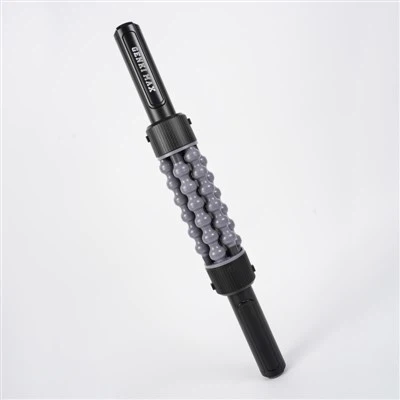
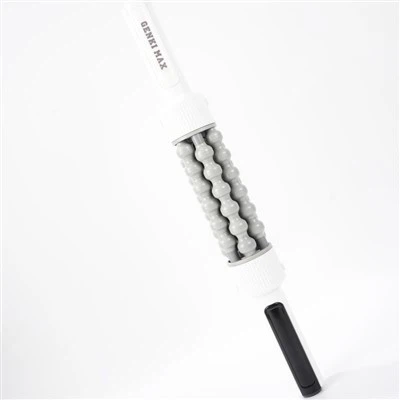
Can a fascia stretching foam roller be used for improving posture?
Hey there! As a supplier of fascia stretching foam rollers, I often get asked if these nifty tools can actually help improve posture. Well, let's dive right into it and find out.
First off, let's understand what fascia is. Fascia is this thin, connective tissue that wraps around our muscles, bones, and organs. It's like a big, stretchy net that holds everything in place. When our fascia gets tight or restricted, it can throw off our body's alignment and lead to poor posture.
So, how does a fascia stretching foam roller come into play? Using a foam roller to stretch the fascia can help loosen up those tight areas. When you roll over a muscle, the pressure from the roller breaks up adhesions in the fascia. Adhesions are like little knots or sticky spots in the tissue that can limit movement. By getting rid of these adhesions, the fascia becomes more flexible, and the muscles can move more freely.
Let's talk about the science behind it. When we have poor posture, certain muscles tend to get over - worked and tight, while others become weak and under - used. For example, if you're always sitting at a desk, your chest muscles might get tight, pulling your shoulders forward, and your upper back muscles can become weak. A fascia stretching foam roller can target those tight chest muscles. By rolling on the foam roller, you're applying pressure to the fascia, which stimulates blood flow to the area. Increased blood flow means more oxygen and nutrients are delivered to the muscles, helping them relax.
Moreover, stretching the fascia can also improve proprioception. Proprioception is our body's ability to sense its position in space. When the fascia is tight, our proprioceptive signals can get messed up. Using a foam roller to stretch the fascia can enhance these signals, allowing our body to better understand where it is and how it should be positioned. This can lead to more natural and correct postural alignment.
Now, let's look at some practical ways to use a fascia stretching foam roller for posture improvement.
- Chest Stretch: Lie on the foam roller with it placed horizontally across your upper chest, just below your collarbone. Roll slowly from side to side, applying gentle pressure. This helps stretch the tight pectoral muscles that often contribute to rounded shoulders.
- Upper Back Stretch: Place the foam roller vertically along your upper back, between your shoulder blades. Roll up and down, focusing on any areas that feel particularly tight. This can help strengthen and stretch the muscles in your upper back, pulling your shoulders back into a more upright position.
- Hamstring Stretch: Sit on the floor with your legs straight. Place the foam roller under your hamstrings (the back of your thighs). Roll up and down, working out any knots or tightness. Tight hamstrings can pull on your pelvis, affecting your lower back posture, so stretching them is crucial.
In addition to our regular fascia stretching foam rollers, we also offer some high - tech options. Check out our Cellulite Blaster Roller, Vibration Electric Muscle Roller, and Fitness Electric Muscle Roller. These electric muscle rollers can provide even more targeted and intense massage and stretching, which can be a great addition to your posture - improvement routine.
It's important to note that using a fascia stretching foam roller is not a one - time fix. Improving posture is a long - term process that requires consistency. You should aim to use the foam roller regularly, at least a few times a week. And don't forget to combine it with other exercises, like strength training and yoga, which can also help strengthen the muscles that support good posture.
Now, if you're a fitness studio owner, a physical therapist, or just someone looking to stock up on high - quality fascia stretching foam rollers for personal use or resale, we'd love to hear from you. We offer a wide range of foam rollers in different sizes, densities, and styles to meet your specific needs. Whether you're looking for a basic foam roller for beginners or a more advanced electric model, we've got you covered.
Contact us to start a purchase negotiation. We're committed to providing you with the best products at competitive prices and excellent customer service.


References
- "Trigger Point Therapy Workbook" by Clair Davies and Amber Davies
- "Anatomy Trains" by Thomas W. Myers