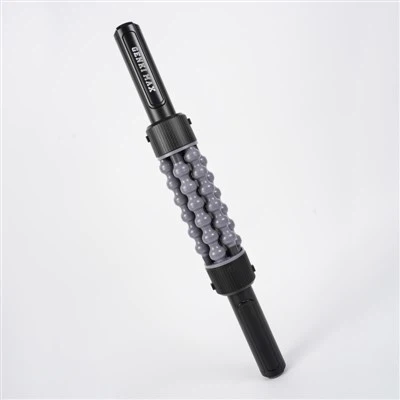
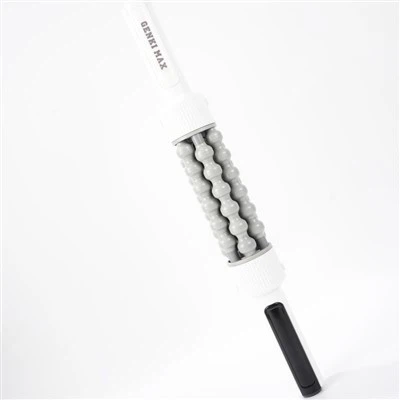
Swimming is a full - body workout that engages multiple muscle groups, from the shoulders and back to the legs and core. After an intense swimming session, the muscles experience fatigue, micro - tears, and a build - up of lactic acid. Recovery is crucial for swimmers to prevent injuries, reduce muscle soreness, and improve overall performance. One tool that has gained popularity in the fitness and recovery space is the fascia stretching foam roller. In this blog, we'll explore whether a fascia stretching foam roller can be effectively used for swimming recovery.
Understanding the Mechanism of Fascia Stretching Foam Rollers
Fascia is a connective tissue that surrounds muscles, bones, nerves, and blood vessels. It provides support and protection to these structures. During intense physical activities like swimming, the fascia can become tight and restricted, which may lead to reduced flexibility, increased muscle stiffness, and even pain.
A fascia stretching foam roller works by applying pressure to the muscles and fascia. When you roll your body over the foam roller, it helps to break up adhesions in the fascia, improve blood circulation, and increase the range of motion. This self - myofascial release technique can be a valuable addition to a swimmer's recovery routine.
Benefits of Using a Fascia Stretching Foam Roller for Swimming Recovery
1. Reducing Muscle Soreness
Swimming involves repetitive movements that can cause muscle soreness, especially in the shoulders, back, and arms. The pressure applied by the foam roller helps to relax the muscles and reduce the build - up of lactic acid. By rolling over the sore areas, you can stimulate blood flow, which brings oxygen and nutrients to the muscles and helps to flush out waste products. This can significantly reduce the intensity and duration of muscle soreness after a swim.
2. Improving Flexibility
Flexibility is essential for swimmers to achieve an efficient stroke and prevent injuries. The fascia stretching foam roller can help to increase flexibility by stretching the tight fascia and muscles. As you roll over different muscle groups, you are essentially elongating the muscle fibers and fascia, which can lead to an improved range of motion. For example, rolling over the shoulder muscles can help swimmers to increase their shoulder mobility, allowing for a more powerful and fluid stroke.


3. Preventing Injuries
By maintaining healthy fascia and muscles, swimmers can reduce their risk of injuries. Tight fascia can cause imbalances in the muscles, which may lead to overuse injuries such as rotator cuff tendinitis or shoulder impingement. Using a foam roller regularly can help to keep the fascia and muscles in good condition, reducing the likelihood of these types of injuries.
4. Enhancing Recovery Time
Swimmers often have tight schedules with multiple training sessions per week. A faster recovery time means that they can get back into the pool sooner and continue to train at a high level. The foam roller can expedite the recovery process by promoting blood circulation and reducing inflammation. This allows the muscles to repair and grow stronger more quickly.
Specific Muscle Groups to Target
1. Shoulders
The shoulders are one of the most important muscle groups in swimming. The repetitive overhead movements can cause tightness and fatigue in the deltoids, rotator cuff muscles, and upper trapezius. Rolling the shoulders on the foam roller can help to relieve tension and improve mobility. Start by lying on your side with the foam roller under your shoulder. Roll slowly from the front to the back of the shoulder, applying gentle pressure.
2. Back
The back muscles, including the latissimus dorsi, erector spinae, and rhomboids, are also heavily involved in swimming. These muscles are responsible for powering the pulling motion during the stroke. Using a foam roller on the back can help to release tension and improve spinal mobility. Lie on the foam roller with it positioned along your spine, and roll up and down slowly, paying attention to any tight areas.
3. Arms
The biceps, triceps, and forearm muscles are used for gripping the water and propelling the body forward. Foam rolling the arms can help to reduce muscle fatigue and improve blood circulation. Roll the foam roller from the elbow to the shoulder on the biceps and triceps, and from the wrist to the elbow on the forearms.
4. Legs
Although the legs may not be as prominent in swimming as the upper body, they still play an important role in maintaining balance and providing propulsion. The quadriceps, hamstrings, and calves can become tight after a swim. Rolling the legs with a foam roller can help to improve flexibility and reduce muscle soreness.
Our Fascia Stretching Foam Roller Products
As a leading fascia stretching foam roller supplier, we offer a range of high - quality products designed to meet the needs of swimmers and other athletes. Our foam rollers are made from durable materials that provide the right amount of pressure for effective self - myofascial release.
In addition to traditional foam rollers, we also offer electric muscle rollers that provide a more advanced recovery experience. Check out our Fitness Electric Muscle Roller, Smart Electric Muscle Roller, and Portable Electric Muscle Roller. These electric rollers offer adjustable intensity levels, vibration functions, and other features that can enhance the recovery process.
How to Use a Fascia Stretching Foam Roller Correctly
1. Start Slowly
If you're new to using a foam roller, start with gentle pressure and short sessions. Gradually increase the pressure and duration as your body gets used to the sensation.
2. Focus on Problem Areas
Pay special attention to the muscle groups that are most affected by swimming. These areas may be more tight or sore, and spending extra time rolling over them can provide greater benefits.
3. Use Proper Technique
Roll slowly and smoothly over the muscles, pausing at any tight or tender spots. Apply enough pressure to feel a gentle stretch, but not so much that it causes pain.
4. Combine with Other Recovery Methods
Foam rolling can be even more effective when combined with other recovery methods such as stretching, massage, and proper nutrition. Incorporate these practices into your post - swim routine for optimal results.
Conclusion
In conclusion, a fascia stretching foam roller can be a valuable tool for swimming recovery. It offers numerous benefits, including reducing muscle soreness, improving flexibility, preventing injuries, and enhancing recovery time. As a supplier of high - quality foam rollers and electric muscle rollers, we are committed to helping swimmers and athletes achieve their best performance.
If you're interested in purchasing our fascia stretching foam rollers or electric muscle rollers for your swimming recovery needs, we invite you to contact us for more information and to discuss your specific requirements. We look forward to working with you to support your recovery and performance goals.
References
- Clark, M. A., Lucett, S. C., & Corn, R. (2014). NASM essentials of corrective exercise training. Lippincott Williams & Wilkins.
- Knotts, K. A., & Rutherford, E. J. (2016). Effects of foam rolling on flexibility: A systematic review. Journal of Sport Rehabilitation, 25(3), 249 - 254.
- Wallis, G. A., & Hetherington, V. J. (2016). The effects of self - myofascial release on range of motion, muscle recovery, and performance: A systematic review. Journal of Strength and Conditioning Research, 30(12), 3487 - 3498.