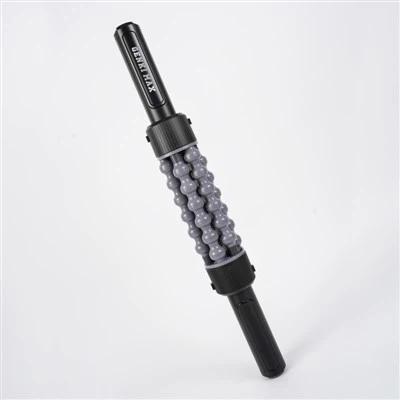
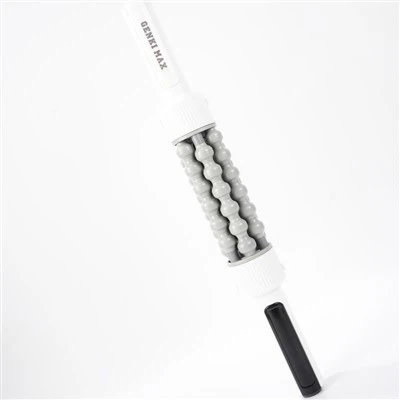
Tendonitis, a common condition characterized by inflammation of a tendon, can cause significant pain and discomfort, limiting one's mobility and quality of life. As a supplier of the Gymstick Fascia Roller, I often receive inquiries about whether our product can be used for treating tendonitis. In this blog post, I will explore the potential benefits of using a Gymstick Fascia Roller for tendonitis based on scientific evidence and practical experience.
Understanding Tendonitis
Tendons are tough bands of fibrous connective tissue that attach muscles to bones. Tendonitis occurs when these tendons become inflamed, usually due to overuse, repetitive motions, or sudden injury. Common symptoms of tendonitis include pain, swelling, tenderness, and limited range of motion in the affected area. The most commonly affected areas include the shoulders, elbows, wrists, knees, and ankles.
How Fascia Rollers Work
Fascia is a thin, connective tissue that surrounds muscles, bones, and organs throughout the body. It plays a crucial role in providing support, stability, and mobility. When the fascia becomes tight or restricted, it can lead to pain, inflammation, and reduced range of motion. Fascia rollers, such as the Gymstick Fascia Roller, are designed to apply pressure to the fascia, helping to release tension, improve blood flow, and promote healing.
Potential Benefits of Using a Gymstick Fascia Roller for Tendonitis
1. Pain Relief
One of the primary benefits of using a Gymstick Fascia Roller for tendonitis is pain relief. By applying pressure to the affected area, the roller can help to stimulate the release of endorphins, which are the body's natural painkillers. Additionally, the pressure can help to reduce inflammation and swelling, which can also contribute to pain relief.
2. Improved Blood Flow
Another benefit of using a Gymstick Fascia Roller for tendonitis is improved blood flow. When the fascia is tight or restricted, it can impede blood flow to the affected area, which can slow down the healing process. By using a fascia roller, you can help to increase blood flow to the area, delivering oxygen and nutrients to the damaged tissues and promoting healing.
3. Reduced Muscle Tension
Tendonitis is often accompanied by muscle tension in the surrounding area. By using a Gymstick Fascia Roller, you can help to release this tension, which can improve flexibility and range of motion. Additionally, reducing muscle tension can help to reduce the stress on the affected tendon, which can also contribute to healing.
4. Enhanced Recovery
Using a Gymstick Fascia Roller as part of a comprehensive treatment plan for tendonitis can help to enhance the recovery process. By reducing pain, improving blood flow, and releasing muscle tension, the roller can help to speed up the healing of the damaged tendon and reduce the risk of future injury.
Scientific Evidence
While there is limited scientific research specifically on the use of fascia rollers for tendonitis, there is evidence to suggest that foam rolling, which is a similar technique, can have beneficial effects on musculoskeletal pain and inflammation. A study published in the Journal of Athletic Training found that foam rolling can help to reduce muscle soreness and improve range of motion after exercise. Another study published in the Journal of Bodywork and Movement Therapies found that foam rolling can help to reduce pain and improve function in individuals with chronic low back pain.


How to Use a Gymstick Fascia Roller for Tendonitis
If you are considering using a Gymstick Fascia Roller for tendonitis, it is important to use it correctly to avoid further injury. Here are some tips on how to use the roller safely and effectively:
- Start Slowly: Begin by using the roller for a few minutes at a time, gradually increasing the duration and intensity as your body gets used to the pressure.
- Apply Light Pressure: Apply light to moderate pressure to the affected area, avoiding any areas that are extremely tender or painful.
- Roll Slowly: Roll the roller slowly over the affected area, focusing on any areas of tightness or restriction.
- Breathe Deeply: As you roll the roller, breathe deeply and relax your muscles. This can help to enhance the effects of the massage.
- Use in Conjunction with Other Treatments: While using a Gymstick Fascia Roller can be beneficial for tendonitis, it is important to use it in conjunction with other treatments, such as rest, ice, compression, and elevation (RICE), physical therapy, and medication.
Other Fascia Rollers to Consider
In addition to the Gymstick Fascia Roller, there are other types of fascia rollers available on the market, such as the Fascia Blaster Roller and the Fascia Body Roller. Each type of roller has its own unique features and benefits, so it is important to choose the one that is right for you based on your specific needs and preferences.
Conclusion
In conclusion, while there is limited scientific research specifically on the use of fascia rollers for tendonitis, there is evidence to suggest that using a Gymstick Fascia Roller can have beneficial effects on pain, inflammation, and recovery. By applying pressure to the affected area, the roller can help to release tension, improve blood flow, and promote healing. However, it is important to use the roller correctly and in conjunction with other treatments to avoid further injury. If you are interested in learning more about the Gymstick Fascia Roller or other fascia rollers, please feel free to contact us to discuss your needs and explore potential procurement opportunities.
References
- Behm, D. G., & Colado, J. C. (2012). Foam rolling as a form of self-myofascial release: A systematic review. Journal of Strength and Conditioning Research, 26(7), 1853-1861.
- Cheung, K., Hume, P. A., & Maxwell, L. (2003). Delayed onset muscle soreness: Treatment strategies and performance factors. Sports Medicine, 33(2), 145-164.
- Kolber, M. J., & Lederman, E. (2013). Foam rolling: Self-myofascial release to improve range of motion and performance. Journal of Bodywork and Movement Therapies, 17(3), 395-402.