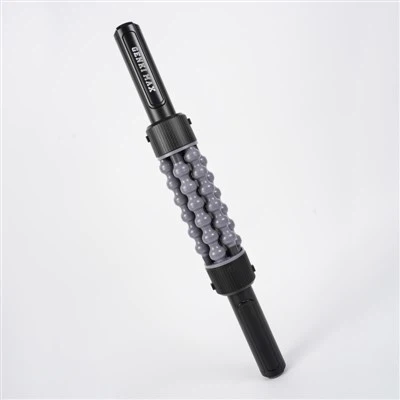
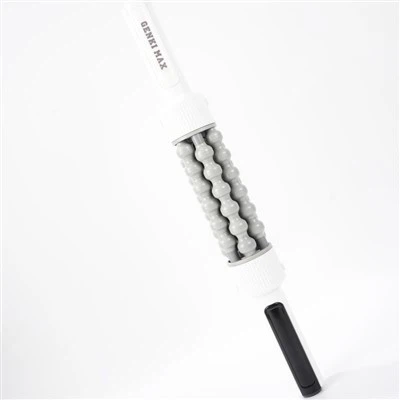
The flexor carpi radialis is a key muscle in the forearm, playing a significant role in wrist flexion and abduction. It's commonly involved in various daily activities and sports movements. As a supplier of Muscle Fascia Roller, I often receive questions about whether our products can be used on the flexor carpi radialis. In this blog, we'll explore this topic in depth, examining the anatomy of the flexor carpi radialis, the benefits of using a muscle fascia roller on it, and the proper techniques.
Anatomy of the Flexor Carpi Radialis
The flexor carpi radialis is located on the anterior (front) side of the forearm. It originates from the medial epicondyle of the humerus, which is a bony prominence on the inner side of the elbow. The muscle belly runs down the forearm and attaches to the base of the second and third metacarpal bones in the hand. This muscle is innervated by the median nerve and is supplied by the ulnar artery and radial artery.
When the flexor carpi radialis contracts, it flexes the wrist and also abducts it (moves it towards the thumb side). This action is essential for tasks such as gripping, lifting, and performing fine motor skills with the hand. Due to its frequent use, the flexor carpi radialis can become tight, fatigued, or even develop trigger points, leading to pain and reduced range of motion.
Benefits of Using a Muscle Fascia Roller on the Flexor Carpi Radialis
Using a Muscle Fascia Roller on the flexor carpi radialis can offer several benefits. Firstly, it helps to increase blood flow to the muscle. Improved blood circulation delivers more oxygen and nutrients to the muscle fibers, which aids in muscle recovery after exercise or repetitive use. This can reduce muscle soreness and speed up the healing process if there are any micro - tears in the muscle.
Secondly, a fascia roller can help to break up adhesions and scar tissue in the muscle. Over time, the fascia, which is a thin layer of connective tissue surrounding the muscle, can become adhered to the muscle fibers, restricting their movement. By rolling the muscle, we can apply pressure to these adhesions, gradually separating them and restoring the normal gliding movement of the muscle.
Thirdly, using a fascia roller on the flexor carpi radialis can improve the muscle's flexibility and range of motion. Tight muscles can limit the movement of the wrist, making it difficult to perform certain tasks. By loosening the muscle, we can increase the flexibility of the wrist joint, allowing for a greater range of movement in both flexion and abduction.


Proper Techniques for Using a Muscle Fascia Roller on the Flexor Carpi Radialis
Before using a Muscle Fascia Roller on the flexor carpi radialis, it's important to warm up the muscle. This can be done through simple wrist stretches or light hand movements. Once the muscle is warm, you can start the rolling process.
- Positioning: Sit comfortably with your forearm resting on a flat surface. Place the fascia roller under the flexor carpi radialis, which is on the inner side of the forearm, closer to the thumb.
- Rolling: Slowly roll the muscle from the elbow towards the wrist and back. Apply gentle pressure, but not so much that it causes pain. If you encounter a tender spot or trigger point, stop and hold the pressure for about 15 - 30 seconds. This will help to release the tension in that area.
- Frequency and Duration: Aim to roll the muscle for about 2 - 3 minutes on each forearm. You can repeat this process 2 - 3 times a day, especially if you use your hands and wrists frequently in your daily activities or sports.
Considerations and Precautions
While using a Muscle Fascia Roller on the flexor carpi radialis can be beneficial, there are some considerations and precautions to keep in mind.
- Pain: If you experience severe pain during the rolling process, stop immediately. Pain could be a sign of an underlying injury, such as a muscle strain or tendonitis. In such cases, it's best to consult a healthcare professional before continuing with the rolling.
- Injuries: If you have any open wounds, fractures, or infections in the forearm, avoid using the fascia roller on the affected area. The pressure from the roller could exacerbate the injury or spread the infection.
- Medical Conditions: People with certain medical conditions, such as arthritis, nerve damage, or circulatory problems, should consult their doctor before using a fascia roller on the flexor carpi radialis. The doctor can provide personalized advice based on the individual's condition.
Different Types of Muscle Fascia Rollers for the Flexor Carpi Radialis
As a supplier, we offer a variety of Muscle Fascia Rollers that can be used on the flexor carpi radialis.
- Gymstick Fascia Roller: The Gymstick Fascia Roller is a compact and portable option. Its small size makes it easy to target the flexor carpi radialis precisely. The smooth surface of the roller provides a gentle massage, which is suitable for those with sensitive muscles.
- Fascia Body Roller: The Fascia Body Roller is larger and can cover a wider area of the forearm. It's great for those who want to massage the entire flexor carpi radialis and surrounding muscles at once. The firmness of the roller can be adjusted according to your needs, allowing for a more customized massage experience.
Conclusion
In conclusion, a Muscle Fascia Roller can indeed be used on the flexor carpi radialis. It offers numerous benefits, including increased blood flow, breaking up adhesions, and improving flexibility and range of motion. By following the proper techniques and taking the necessary precautions, you can effectively use a fascia roller to keep your flexor carpi radialis healthy and functional.
If you're interested in purchasing high - quality muscle fascia rollers for your personal use or for your business, we'd love to hear from you. Contact us to discuss your requirements and start a procurement negotiation. We're committed to providing you with the best products and services to meet your needs.
References
- Gray, H. (1918). Gray's Anatomy of the Human Body. Lea & Febiger.
- Kendall, F. P., McCreary, E. K., & Provance, P. G. (2005). Muscles: Testing and Function with Posture and Pain. Lippincott Williams & Wilkins.
- Knothe Tate, M. L., & Grant, M. H. (2008). Biomechanics of the extracellular matrix and cell - matrix interactions. In S. S. Vorp (Ed.), Biomechanics in Regenerative Medicine. Springer.