Can a Muscle Roller Be Used on the Vastus Intermedius?
The vastus intermedius is one of the four muscles that make up the quadriceps femoris group, located deep within the thigh, between the vastus lateralis and vastus medialis. It plays a crucial role in knee extension and overall lower - limb function. As a muscle roller supplier, I often get asked whether a muscle roller can be effectively and safely used on the vastus intermedius. In this blog, we'll explore this question in detail, looking at the benefits, techniques, and considerations.
Benefits of Using a Muscle Roller on the Vastus Intermedius
-
Improved Blood Circulation
Using a muscle roller on the vastus intermedius can enhance blood flow to the muscle. Increased blood circulation delivers more oxygen and nutrients to the muscle fibers, which is essential for muscle repair and growth. After an intense workout, the vastus intermedius may experience micro - tears. Adequate blood flow helps in the healing process, reducing recovery time. -
Reduction of Muscle Tension
The vastus intermedius can become tight due to activities such as running, cycling, or weightlifting. A muscle roller can help release this tension by applying pressure to the muscle. When the roller moves over the tight areas, it breaks up adhesions and knots in the muscle tissue, allowing the muscle to relax. This not only relieves discomfort but also improves the muscle's range of motion. -
Enhanced Flexibility
Regular use of a muscle roller on the vastus intermedius can contribute to increased flexibility. By loosening the muscle, it becomes easier for the knee joint to move through its full range of motion. This is particularly beneficial for athletes who need a high level of flexibility in their lower limbs for optimal performance.
Techniques for Using a Muscle Roller on the Vastus Intermedius
-
Positioning
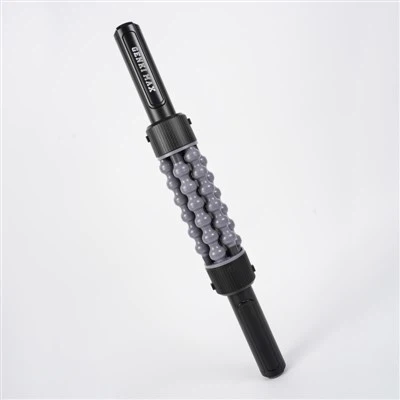
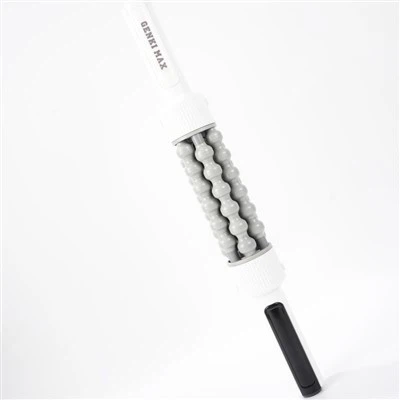
To target the vastus intermedius, lie on your side with the affected leg on top. Place the muscle roller under the middle of your thigh, just below the hip joint. Make sure the roller is aligned with the length of the muscle. You can also use a foam roller or an Portable Electric Muscle Roller for more convenience and adjustable pressure. -
Rolling Motion
Slowly roll the muscle up and down the length of the vastus intermedius. Apply moderate pressure, but avoid pressing too hard, especially if you have sensitive muscle tissue. If you encounter a particularly tight spot, pause and hold the roller on that area for 15 - 30 seconds to allow the muscle to relax. -
Multiple Passes
It's recommended to make 3 - 5 passes over the vastus intermedius. This ensures that you cover the entire muscle and effectively release any tension. You can also alternate between rolling and static holds to maximize the benefits.
Considerations When Using a Muscle Roller on the Vastus Intermedius
-
Injury or Inflammation
If you have an injury, such as a muscle strain or a ligament tear in the thigh, it's important to consult a healthcare professional before using a muscle roller on the vastus intermedius. Using a roller on an injured muscle can exacerbate the injury and delay the healing process. Similarly, if there is inflammation in the muscle, it's best to wait until the inflammation subsides. -
Individual Sensitivity
Everyone's muscles have different levels of sensitivity. Some people may be able to tolerate more pressure on the vastus intermedius, while others may find even light pressure uncomfortable. It's important to listen to your body and adjust the pressure accordingly. -
Proper Technique
Using the wrong technique when rolling the vastus intermedius can be ineffective or even cause harm. For example, rolling too quickly or applying uneven pressure can lead to muscle soreness or injury. Make sure to follow the proper rolling motion and use a smooth, controlled movement.

Different Types of Muscle Rollers for the Vastus Intermedius
-
Foam Rollers
Foam rollers are a popular choice for self - myofascial release. They are relatively inexpensive and come in different densities. A softer foam roller is suitable for beginners or those with sensitive muscles, while a firmer one can provide more intense pressure for experienced users. -
Portable Electric Muscle Roller
These rollers offer the advantage of adjustable speed and intensity. They are battery - operated and can be easily carried around, making them convenient for use at home, in the gym, or while traveling. The electric motor provides consistent pressure, which can be beneficial for targeting the vastus intermedius effectively. -
Cellulite Blaster Roller
Although primarily designed for reducing the appearance of cellulite, this type of roller can also be used on the vastus intermedius. It usually has a unique design with multiple heads or attachments that can provide different types of massage and pressure, helping to break up fat deposits and improve muscle tone. -
Smart Electric Muscle Roller
Smart electric muscle rollers are equipped with advanced features such as Bluetooth connectivity and mobile app integration. They can provide personalized massage programs based on your muscle condition and goals. This type of roller can be particularly useful for those who want a more customized approach to targeting the vastus intermedius.
Conclusion
In conclusion, a muscle roller can indeed be used on the vastus intermedius, and it offers several benefits such as improved blood circulation, reduced muscle tension, and enhanced flexibility. However, it's important to use the roller correctly and take into account individual factors such as injury, sensitivity, and proper technique.
As a muscle roller supplier, we offer a wide range of high - quality muscle rollers, including the Portable Electric Muscle Roller, Cellulite Blaster Roller, and Smart Electric Muscle Roller. If you're interested in purchasing our products or have any questions about using muscle rollers on the vastus intermedius, please feel free to contact us for procurement and further discussions.
References
- Clark, M. A., Lucett, S. C., & Corn, R. (2014). NASM essentials of corrective exercise training. Lippincott Williams & Wilkins.
- Kubo, K., Kanehisa, H., & Fukunaga, T. (2007). Effects of foam rolling on muscle performance, flexibility, and post - exercise muscle soreness. Journal of Strength and Conditioning Research, 21(2), 572 - 578.
- Wallhead, T., & Hing, W. (2015). Self - myofascial release: A systematic review. Journal of Bodywork and Movement Therapies, 19(1), 1 - 15.