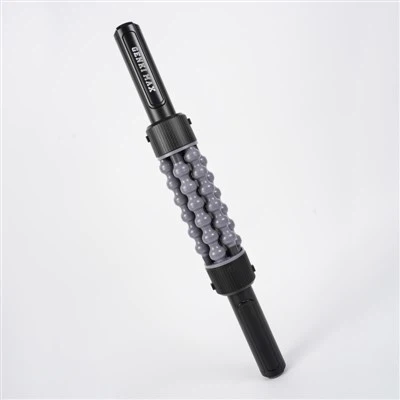
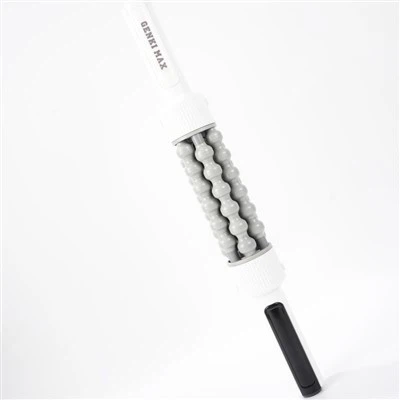
Can a plastic muscle roller be used on the tibialis posterior? That's a question I've been getting a lot lately, and as a supplier of plastic muscle rollers, I'm more than happy to dive into this topic.


First off, let's talk about what the tibialis posterior is. It's a key muscle located deep within the calf. Its main jobs are to support the arch of the foot and help with movements like plantarflexion (pointing your toes) and inversion (turning your foot inward). This muscle plays a crucial role in activities such as walking, running, and even standing. When it gets tight or fatigued, it can lead to all sorts of issues, like foot pain, arch problems, and even affect your gait.
Now, onto the plastic muscle roller. Plastic muscle rollers are a popular choice for self - myofascial release. They're lightweight, easy to clean, and often more affordable compared to other types of muscle rollers. The smooth surface of a plastic roller allows for a relatively gentle massage, which can be great for beginners or those with sensitive muscles.
So, can you use a plastic muscle roller on the tibialis posterior? The short answer is yes, you can. Using a plastic muscle roller on the tibialis posterior can help to increase blood flow to the area. When blood flow improves, it brings in more oxygen and nutrients to the muscle, which aids in recovery. It can also help to break up adhesions or knots in the muscle. Over time, repetitive movements and stress can cause the muscle fibers to stick together, and using a roller can help to separate these fibers and restore normal muscle function.
Here's how you can use a plastic muscle roller on the tibialis posterior. First, find a comfortable place to sit or lie down. Place the plastic muscle roller on the floor and position your lower leg on top of it, with the roller just below the inner part of your calf where the tibialis posterior is located. Slowly roll your leg back and forth, applying gentle pressure. You can adjust the pressure by changing the angle of your leg or by using more of your body weight. If you find a particularly tender spot, you can pause and hold the roller on that area for a few seconds.
However, there are a few things to keep in mind. You don't want to apply too much pressure too quickly. The tibialis posterior is a deep muscle, and over - aggressive rolling can cause more harm than good. Start with light pressure and gradually increase it as your muscle gets used to the rolling. Also, if you have any existing injuries, like a muscle strain or a stress fracture in the area, it's best to consult a healthcare professional before using a muscle roller.
Let's talk about some of the benefits of using a plastic muscle roller specifically on the tibialis posterior. One of the big benefits is pain relief. If you're an athlete or someone who is on their feet a lot, you might experience pain in the calf or foot area due to tightness in the tibialis posterior. Rolling this muscle can help to alleviate that pain by relaxing the muscle fibers.
Another benefit is improved flexibility. A tight tibialis posterior can limit your range of motion in the ankle and foot. By using a plastic muscle roller regularly, you can gradually increase the flexibility of this muscle, which can improve your overall movement and performance in activities like sports.
Now, I know you might be thinking, "Are there other options besides a regular plastic muscle roller?" Well, we also offer some great alternatives. For example, check out our Vibration Electric Muscle Roller. This roller combines the benefits of traditional rolling with the added effect of vibration. The vibration can help to further stimulate the muscle and enhance blood flow, making it a great option for more intense muscle recovery.
If you're into fitness and looking for a more high - tech solution, our Fitness Electric Muscle Roller is worth considering. It's designed specifically for fitness enthusiasts and can provide a more targeted massage to different muscle groups, including the tibialis posterior.
And for those who are concerned about cellulite, our Cellulite Blaster Roller can be a great addition to your routine. While it's mainly focused on cellulite reduction, the rolling action can also have a positive impact on the underlying muscles, like the tibialis posterior.
In conclusion, a plastic muscle roller can definitely be used on the tibialis posterior, and it offers a range of benefits from pain relief to improved flexibility. Whether you're a beginner or an experienced user, there are options available to suit your needs. If you're interested in purchasing our plastic muscle rollers or any of our other products, we'd love to hear from you. Reach out to us to start a conversation about your requirements, and we'll be happy to assist you in finding the perfect product for your muscle recovery needs.
References
- "Anatomy and Physiology of the Lower Limb Muscles" - A standard anatomy textbook
- "Self - Myofascial Release Techniques for Athletes" - A sports medicine publication