Can a Static Electric Fascia Roller be used for reducing inflammation in the muscles?
In the world of fitness and muscle recovery, new tools and techniques are constantly emerging to help athletes and fitness enthusiasts alike maintain optimal muscle health. One such device that has gained significant attention in recent years is the static electric fascia roller. As a supplier of these innovative products, I'm often asked whether a static electric fascia roller can be effectively used for reducing inflammation in the muscles. In this blog, we will delve into the science behind muscle inflammation, how the static electric fascia roller works, and whether it can indeed play a role in inflammation reduction.
Understanding Muscle Inflammation
Muscle inflammation is a natural response of the body to injury, exercise-induced stress, or other forms of physical trauma. When the muscles are subjected to intense physical activity, microscopic damage occurs to the muscle fibers. This damage triggers an immune response, leading to the release of various inflammatory mediators such as cytokines and prostaglandins. These mediators cause blood vessels to dilate, allowing immune cells to reach the damaged area more quickly. While inflammation is a necessary part of the healing process, excessive or prolonged inflammation can lead to pain, swelling, and reduced muscle function.
Chronic muscle inflammation can also contribute to more serious health issues, such as muscle atrophy and decreased range of motion. Therefore, finding effective ways to manage and reduce muscle inflammation is crucial for athletes and individuals who engage in regular physical activity.
How a Static Electric Fascia Roller Works
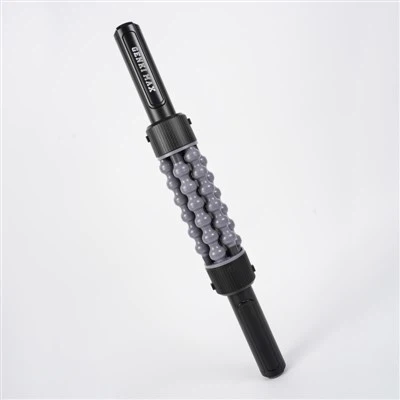
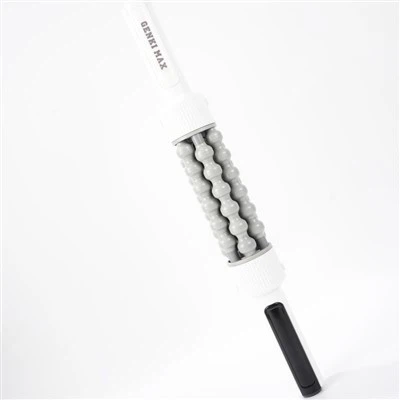
A static electric fascia roller is a specialized device designed to target the fascia, a connective tissue that surrounds and supports the muscles, tendons, and ligaments. The fascia plays a crucial role in maintaining muscle function and flexibility. However, when the fascia becomes tight or restricted, it can lead to muscle pain, stiffness, and reduced mobility.
The static electric fascia roller uses a combination of static pressure and low-level electrical stimulation to gently massage and stretch the fascia. The static pressure helps to break up adhesions and knots in the fascia, while the electrical stimulation promotes blood flow to the area. By increasing blood circulation, the roller helps to deliver oxygen and nutrients to the muscles, which is essential for muscle repair and recovery.
The Potential for Reducing Muscle Inflammation
The question remains: can a static electric fascia roller actually reduce muscle inflammation? While there is limited scientific research specifically focused on the anti - inflammatory effects of static electric fascia rollers, there is evidence to suggest that similar techniques, such as massage and electrical stimulation, can have a positive impact on muscle inflammation.
Massage therapy has long been recognized for its ability to reduce muscle inflammation. By applying pressure to the muscles, massage helps to increase blood flow, which can flush out inflammatory mediators and promote the removal of waste products from the muscles. Additionally, massage can stimulate the release of endorphins, which are natural painkillers that can also have anti - inflammatory effects.
Electrical stimulation has also been shown to have potential anti - inflammatory benefits. Low - level electrical currents can stimulate the production of nitric oxide, a molecule that helps to dilate blood vessels and improve blood flow. This increased blood flow can enhance the delivery of immune cells to the inflamed area, as well as promote the removal of inflammatory substances.
In the case of a static electric fascia roller, the combination of static pressure and electrical stimulation may work synergistically to reduce muscle inflammation. The static pressure can break up adhesions in the fascia, allowing for better blood flow, while the electrical stimulation can further enhance blood circulation and promote the body's natural healing processes.
Comparing with Other Muscle Rollers
There are several types of muscle rollers available on the market, each with its own unique features and benefits. For example, the Plastic Muscle Roller is a popular choice due to its affordability and lightweight design. It provides a basic form of self - myofascial release through static pressure. However, it lacks the electrical stimulation feature that a static electric fascia roller offers.


The Vibration Electric Muscle Roller uses vibration to provide a deeper massage. Vibration can help to relax muscles and increase blood flow, but it may not be as effective as electrical stimulation in promoting the body's natural anti - inflammatory responses.
The Portable Electric Muscle Roller is designed for on - the - go use. It offers the convenience of being able to use the roller anywhere, but similar to the plastic roller, it may not have the same level of impact on reducing inflammation as a static electric fascia roller with its combined pressure and electrical stimulation.
Practical Use and Tips
If you're considering using a static electric fascia roller to reduce muscle inflammation, here are some practical tips to keep in mind:
- Start Slowly: Begin with short sessions of 5 - 10 minutes per muscle group. Gradually increase the duration and intensity as your body gets used to the roller.
- Target the Right Areas: Focus on the muscles that are most affected by inflammation. Common areas include the calves, thighs, shoulders, and back.
- Use Proper Technique: Apply gentle pressure and roll slowly over the muscles. Avoid applying too much pressure, as this can cause further damage to the muscles.
- Combine with Other Recovery Methods: For best results, combine the use of the static electric fascia roller with other recovery methods such as stretching, proper nutrition, and adequate rest.
Conclusion and Call to Action
In conclusion, while more research is needed to fully understand the anti - inflammatory effects of a static electric fascia roller, there is promising evidence to suggest that it can play a role in reducing muscle inflammation. The combination of static pressure and electrical stimulation offers a unique approach to muscle recovery that may help to alleviate pain, reduce swelling, and improve muscle function.
If you're interested in learning more about our static electric fascia rollers or are considering purchasing them for your business or personal use, we invite you to contact us for a procurement discussion. We are committed to providing high - quality products and excellent customer service. Let's work together to enhance muscle health and recovery.
References
- Moyer CA, Rounds J, Hannum JW. A meta - analysis of the effects of massage therapy on anxiety and depression. Journal of Alternative and Complementary Medicine. 2004;10(2):319 - 328.
- Padua DA, Guskiewicz KM, Perrin DH, et al. The effects of electrical stimulation on strength, muscle activation, and functional performance after anterior cruciate ligament reconstruction. American Journal of Sports Medicine. 2002;30(4):506 - 512.
- Schleip R. Fascial plasticity - a new neurobiological explanation: part 1. Journal of Bodywork and Movement Therapies. 2003;7(1):11 - 19.