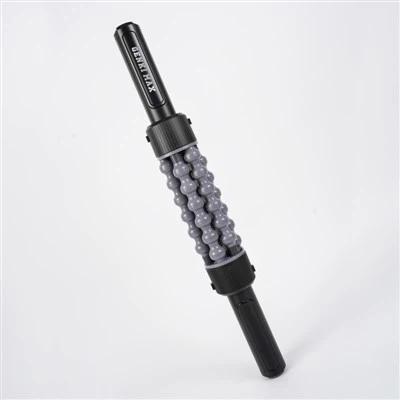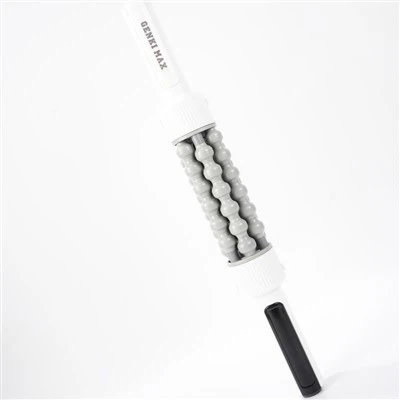
Hey there, fitness enthusiasts! As a supplier of electric muscle rollers, I often get asked a bunch of questions about how to use these nifty gadgets. One question that pops up quite a bit is, "Can an electric muscle roller be used on the knees?" Well, let's dive right into this topic and find out.
First off, let's talk a bit about what an electric muscle roller is. It's basically a high - tech version of the traditional foam roller. These things are equipped with motors that provide a more intense and consistent massage. We've got different types in our collection, like the Fitness Electric Muscle Roller, the Smart Electric Muscle Roller, and the Portable Electric Muscle Roller. Each one has its own unique features, but they all aim to help you relax your muscles and recover faster after a workout.
Now, back to the main question: can you use an electric muscle roller on your knees? The short answer is yes, but with some important considerations. The knees are a complex joint made up of bones, ligaments, tendons, and cartilage. They're also a crucial part of our body when it comes to movement, so we need to be extra careful when using any massage tool on them.


One of the benefits of using an electric muscle roller on the knees is that it can help improve blood circulation. When you exercise, blood flow to the muscles increases, but after a workout, it can slow down. Using an electric muscle roller on the knees can stimulate blood vessels, promoting better circulation. This can help reduce swelling and inflammation, which are common after intense physical activity.
It can also help with muscle tightness. If you're a runner, cyclist, or just someone who stands or walks a lot, your knee muscles can get pretty tight. The vibrations and pressure from the electric muscle roller can help loosen up these tight muscles, making you feel more flexible and less prone to injury.
However, there are some things you need to watch out for. First of all, you should avoid using the roller directly on the kneecap. The kneecap is a small, flat bone that protects the joint, and applying too much pressure on it can cause pain and damage. Instead, focus on the muscles around the knee, such as the quadriceps (the muscles on the front of the thigh), the hamstrings (the muscles on the back of the thigh), and the calf muscles.
You also need to adjust the intensity of the roller. Most electric muscle rollers come with different speed and intensity settings. When using it on the knees, start with a low setting and gradually increase it as you get used to the sensation. If you feel any pain or discomfort, stop immediately.
Another important thing to keep in mind is that if you have any pre - existing knee conditions, such as arthritis, a ligament tear, or a meniscus injury, you should consult your doctor before using an electric muscle roller on your knees. Your doctor can give you specific advice based on your condition and let you know if it's safe for you to use the roller.
Here's a step - by - step guide on how to use an electric muscle roller on your knees safely:
- Warm up first: Before using the electric muscle roller, do some light stretching or a short walk to warm up your muscles and joints. This can help prevent injury and make the massage more effective.
- Choose the right setting: As I mentioned earlier, start with a low speed and intensity setting. You can always increase it later if you feel comfortable.
- Position the roller: Place the roller on the side of your thigh, just above the knee. Slowly roll it down towards the calf, avoiding the kneecap. You can also roll it up and down the sides of the knee to target the muscles there.
- Roll gently: Apply gentle pressure as you roll the roller. Don't push too hard, especially if you're new to using an electric muscle roller.
- Roll for a few minutes: Spend about 2 - 3 minutes on each side of the knee. You can repeat this process a few times if you want.
- Cool down: After using the roller, do some more stretching to help your muscles relax further.
In addition to the above, it's also a good idea to listen to your body. Everyone's knees are different, and what works for one person may not work for another. If you feel any sharp pain, numbness, or tingling during or after using the electric muscle roller, stop using it and consult a healthcare professional.
If you're still not sure whether an electric muscle roller is right for your knees, you can always try a test run. Many of our electric muscle rollers come with a trial period, so you can see how it feels on your knees before making a full - fledged commitment.
In conclusion, an electric muscle roller can be a great tool for your knees, but it's important to use it safely and responsibly. If you follow the tips I've mentioned above, you can enjoy the benefits of using an electric muscle roller on your knees and improve your overall knee health.
If you're interested in purchasing an electric muscle roller for your knees or other parts of your body, we'd love to have a chat with you. Whether you're a fitness professional looking to stock up your gym or an individual who wants to take better care of your muscles, we've got the right product for you. Reach out to us to start a conversation about your needs and let's find the perfect electric muscle roller for you.
References
- "Knee Anatomy and Function" - American Academy of Orthopaedic Surgeons
- "Benefits of Massage for Muscle Recovery" - Journal of Sports Medicine and Physical Fitness
- "Blood Circulation and Exercise" - American Heart Association