Can foam rolling fascia help with groin pain?
Groin pain is a common issue that can affect people of all ages and activity levels. Whether you're an athlete pushing your limits or someone with a sedentary lifestyle, groin discomfort can significantly impact your daily life. In recent years, foam rolling fascia has emerged as a popular self - care technique, and many wonder if it can be an effective solution for groin pain. As a supplier of foam roller fascia products, I'm here to explore this topic in depth.
Understanding Groin Pain
Before delving into the potential benefits of foam rolling fascia for groin pain, it's crucial to understand the possible causes of this discomfort. The groin area is home to a complex network of muscles, tendons, ligaments, and nerves. Some common causes of groin pain include:
- Muscle Strains: Overstretching or tearing of the muscles in the groin, such as the adductor muscles, can occur during activities like running, jumping, or sudden changes in direction.
- Hernia: A hernia happens when an organ or fatty tissue squeezes through a weak spot in the surrounding muscle or connective tissue. Inguinal hernias are particularly common and can cause groin pain.
- Hip Joint Problems: Issues with the hip joint, such as osteoarthritis, hip labral tears, or hip impingement, can radiate pain to the groin area.
- Nerve Entrapment: Compression of nerves in the groin region, like the obturator nerve, can lead to pain, numbness, or tingling.
What is Foam Rolling Fascia?
Fascia is a connective tissue that surrounds muscles, bones, and organs throughout the body. It provides support, protection, and helps with the transmission of forces during movement. Foam rolling fascia involves using a foam roller or other similar tools to apply pressure to the fascia, with the aim of releasing tension, improving blood flow, and enhancing mobility.
When you roll over a tight or restricted area of fascia, the pressure helps to break up adhesions (bands of scar - like tissue) that can form between the fascia and underlying muscles. This can lead to increased flexibility, reduced muscle soreness, and potentially improved performance.

The Potential Benefits of Foam Rolling Fascia for Groin Pain
- Muscle Relaxation: Foam rolling can help relax the muscles in the groin area. When muscles are tight, they can pull on the surrounding tissues and cause pain. By applying pressure with a foam roller, you can stimulate the muscle spindles and Golgi tendon organs, which are sensory receptors in the muscles. This can lead to a relaxation response, reducing muscle tension and potentially alleviating pain.
- Improved Blood Flow: Rolling the fascia can enhance blood circulation to the groin muscles. Increased blood flow brings oxygen and nutrients to the tissues, which is essential for healing and reducing inflammation. Better circulation can also help remove waste products, such as lactic acid, that can accumulate in the muscles and contribute to pain.
- Fascial Release: As mentioned earlier, foam rolling can break up adhesions in the fascia. In the groin area, these adhesions can restrict movement and cause pain. By releasing the fascia, you can improve the range of motion of the groin muscles and joints, which may help reduce pain and improve function.
- Neural Modulation: The pressure applied during foam rolling can have an effect on the nervous system. It can help reduce the sensitivity of pain receptors in the area, providing a form of natural pain relief. Additionally, the mechanical stimulation of the fascia can influence the proprioceptive system, which helps with balance and coordination.
How to Foam Roll the Groin Area
If you're considering using foam rolling to address groin pain, here are some steps to follow:
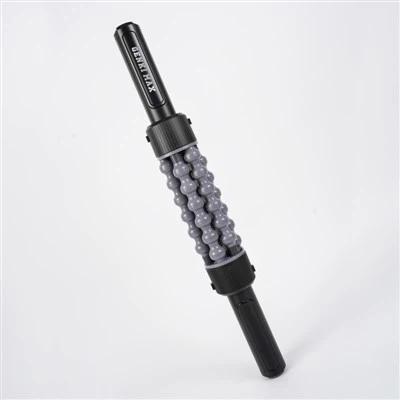
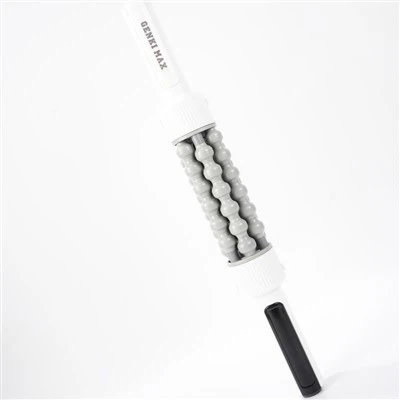
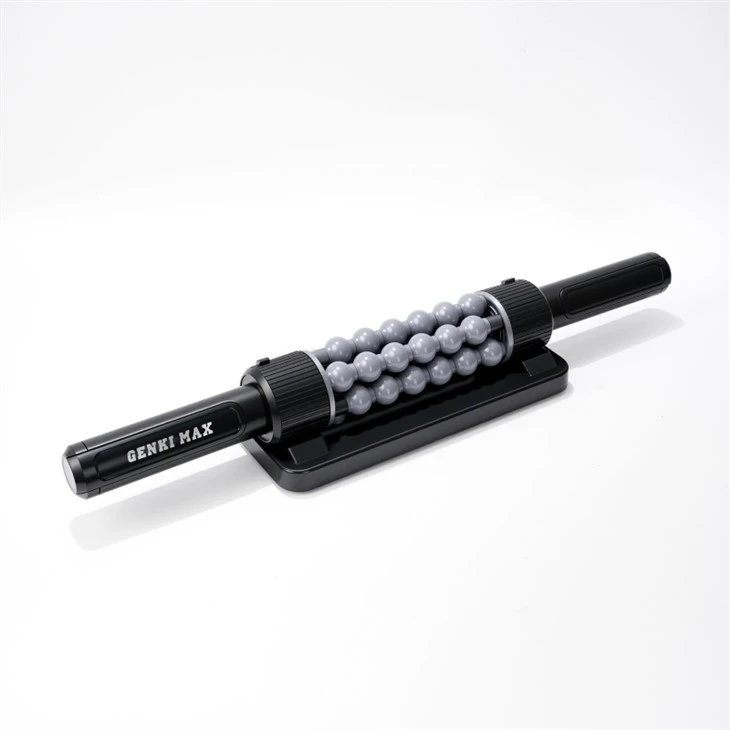
- Choose the Right Foam Roller: There are different types of foam rollers available, including Fitness Electric Muscle Roller, Portable Electric Muscle Roller, and Plastic Muscle Roller. Select a roller that suits your needs and comfort level.
- Warm - up First: Before foam rolling, it's a good idea to warm up your body with some light cardio, such as walking or jogging in place, for a few minutes. This helps to increase blood flow to the muscles and make them more pliable.
- Positioning: Lie on your side with the foam roller placed under the inner thigh (groin area). Keep your top leg straight and rest it on the floor in front of you for support.
- Roll Slowly: Start rolling slowly back and forth along the length of the inner thigh. Apply gentle pressure, and if you find a tender spot, pause and hold the pressure for 20 - 30 seconds. Breathe deeply and try to relax into the pressure.
- Repeat on the Other Side: After rolling one side, switch to the other side and repeat the process.
Limitations and Precautions
While foam rolling fascia can be beneficial for many people with groin pain, it's not a one - size - fits - all solution. There are some limitations and precautions to keep in mind:
- Underlying Medical Conditions: If your groin pain is caused by a serious medical condition, such as a hernia or a hip fracture, foam rolling may not be appropriate. It's important to consult a healthcare professional before starting any new self - care regimen.
- Excessive Pressure: Applying too much pressure during foam rolling can cause more harm than good. It can lead to muscle bruising, inflammation, or even nerve damage. Always start with gentle pressure and gradually increase it as your body allows.
- Individual Variations: Everyone's body is different, and the response to foam rolling can vary. Some people may experience immediate relief, while others may need to use the technique regularly over a period of time to see results.
Conclusion
Foam rolling fascia has the potential to be a helpful tool in managing groin pain. By promoting muscle relaxation, improving blood flow, and releasing fascial adhesions, it can provide natural pain relief and enhance mobility. However, it's important to approach foam rolling with caution and to seek professional advice if you have any concerns about your groin pain.
As a supplier of high - quality foam roller fascia products, we are committed to providing you with the tools you need to take care of your body. If you're interested in exploring our range of foam rollers, including the Fitness Electric Muscle Roller, Portable Electric Muscle Roller, and Plastic Muscle Roller, please feel free to reach out to us for more information and to discuss your purchasing needs. We look forward to helping you on your journey to better health and pain - free living.
References
- Knothe Tate ML. Ligament and tendon mechanobiology: a review. Ann Biomed Eng. 2008;36(2):152 - 163.
- Myer GD, Ford KR, Hewett TE. Decreasing anterior cruciate ligament injuries in female athletes: a review of neuromuscular training strategies. J Bone Joint Surg Am. 2006;88 Suppl 2:49 - 63.
- Schleip R. Fascial plasticity - a new neurobiological explanation: part 1. Int J Ther Massage Bodywork. 2003;6(1):11 - 19.