Can foam rolling fascia help with headaches?
Headaches are a common ailment that affects millions of people worldwide. They can range from mild discomfort to severe pain, and their causes can be diverse, including stress, poor posture, muscle tension, and even certain medical conditions. In recent years, foam rolling the fascia has emerged as a potential self - care technique for alleviating various types of physical discomfort, including headaches. As a foam roller fascia supplier, I am often asked about the effectiveness of foam rolling in headache management. In this blog, we will explore the science behind foam rolling the fascia and its possible connection to headache relief.
Understanding the Fascia
The fascia is a connective tissue that surrounds muscles, bones, nerves, and organs throughout the body. It provides support, protection, and structure to these tissues. When the fascia becomes tight or restricted due to factors such as injury, overuse, or prolonged sitting, it can lead to a variety of problems, including pain and reduced range of motion.
Tight fascia can also cause muscle imbalances. For example, if the fascia in the neck and shoulder area is tight, it can pull on the muscles, leading to increased muscle tension. This muscle tension can then radiate to the head, potentially triggering headaches.
How Foam Rolling Works on the Fascia
Foam rolling is a form of self - myofascial release. When you roll a foam roller over a particular area of your body, the pressure from the roller helps to break up adhesions and knots in the fascia. This process can improve blood flow to the area, which is essential for delivering oxygen and nutrients to the muscles and removing waste products.


As the blood flow improves, the muscles begin to relax. Relaxed muscles are less likely to cause tension that can lead to headaches. Additionally, foam rolling can help to restore the normal length and function of the muscles. When muscles are in their proper state, they are better able to support the body's structure, reducing the strain on the neck and head.
The Link Between Foam Rolling and Headaches
There are several types of headaches, including tension headaches, migraines, and cluster headaches. Tension headaches are the most common type, and they are often caused by muscle tension in the neck, shoulders, and scalp. Foam rolling the fascia in these areas can potentially provide relief for tension headaches.
For example, if you spend long hours sitting at a desk with poor posture, the muscles in your neck and upper back can become tight. By foam rolling these areas, you can release the built - up tension. As the tension in the neck and shoulders decreases, the pressure on the nerves and blood vessels in the head may also be reduced, leading to a decrease in headache symptoms.
Some studies have also suggested that foam rolling can have a positive impact on the nervous system. When the body is under stress, the sympathetic nervous system is activated, which can contribute to muscle tension and headaches. Foam rolling may help to activate the parasympathetic nervous system, which is responsible for the body's relaxation response. This shift in the nervous system can lead to a reduction in overall stress levels and potentially alleviate headaches.
Targeted Areas for Foam Rolling to Relieve Headaches
- Neck and Shoulders: The muscles in the neck and shoulders are often the primary culprits in tension headaches. You can use a foam roller to gently roll along the sides and back of your neck, as well as across your shoulders. Be careful not to apply too much pressure to the neck, as it is a sensitive area.
- Upper Back: The upper back muscles, such as the trapezius and rhomboids, are also closely connected to the neck and head. Rolling the upper back can help to release tension in these muscles and improve posture, which can in turn reduce headache symptoms.
- Scalp: Although it may seem unusual, foam rolling the scalp can also be beneficial. There are small muscles in the scalp that can become tense. Using a soft foam roller on the scalp can help to relax these muscles and improve blood circulation.
Our Foam Roller Products
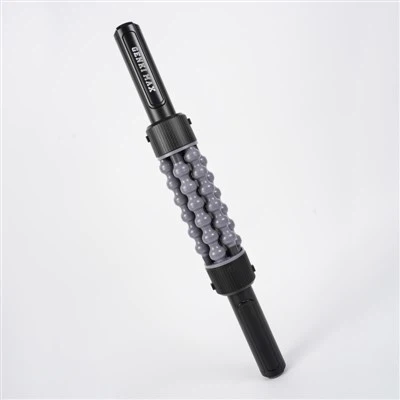
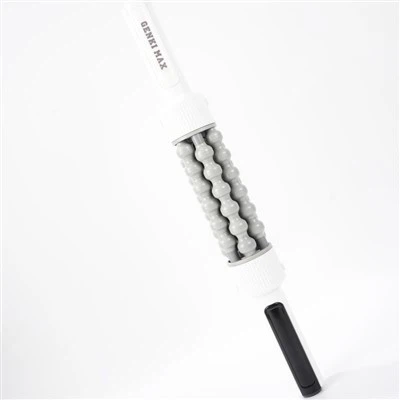
As a foam roller fascia supplier, we offer a range of high - quality foam rollers that can be used for headache relief and overall myofascial release. Our Vibration Electric Muscle Roller is a great option for those who want an extra boost in their foam rolling experience. The vibration feature can enhance the effectiveness of the self - myofascial release, providing deeper relaxation to the muscles and fascia.
Our Portable Electric Muscle Roller is perfect for people on the go. You can take it with you to the office, gym, or anywhere else. This allows you to perform foam rolling whenever you feel the need to relieve muscle tension and potentially prevent headaches.
The Smart Electric Muscle Roller is another innovative product in our lineup. It comes with advanced features that can be customized according to your specific needs. You can adjust the intensity, speed, and vibration patterns to target different areas of the body effectively.
How to Incorporate Foam Rolling into Your Routine
To get the most out of foam rolling for headache relief, it is important to incorporate it into your daily routine. Here are some tips:
- Start Slowly: If you are new to foam rolling, start with short sessions of 5 - 10 minutes per day. Gradually increase the duration and intensity as your body gets used to the process.
- Be Consistent: Consistency is key when it comes to foam rolling. Try to roll at least once a day, preferably in the morning or evening.
- Combine with Stretching: Foam rolling can be even more effective when combined with stretching exercises. After foam rolling, perform some gentle stretches for the neck, shoulders, and upper back to further improve flexibility and reduce tension.
Conclusion
While more research is needed to fully understand the exact relationship between foam rolling the fascia and headache relief, there is evidence to suggest that it can be a beneficial self - care technique. As a foam roller fascia supplier, I have seen many customers report positive results after incorporating foam rolling into their routine.
If you are suffering from headaches, especially tension headaches, it may be worth giving foam rolling a try. Our range of foam rollers, including the Vibration Electric Muscle Roller, Portable Electric Muscle Roller, and Smart Electric Muscle Roller, can provide you with effective tools for self - myofascial release.
If you are interested in purchasing our foam roller products for your personal use or for resale, we welcome you to contact us for procurement and negotiation. Our team is ready to assist you in finding the best solutions for your needs.
References
- Barnes, M. J. (2003). The scientific basis and clinical application of fascia. Journal of Bodywork and Movement Therapies, 7(1), 13 - 20.
- Selfe, J., & Bialocerkowski, A. (2015). The effects of self - myofascial release on range of motion, pain, and muscle activation: A systematic review. Journal of Orthopaedic & Sports Physical Therapy, 45(11), 853 - 864.
- Schmid, A. B., & Clauw, D. J. (2015). Fibromyalgia and the concept of central sensitivity syndromes. Pain, 156(11), 2110 - 2117.