Can foam rolling fascia help with hip tightness?
Hip tightness is a common issue that affects many individuals, whether they are athletes, office workers, or simply those leading an active lifestyle. It can lead to discomfort, reduced mobility, and even contribute to other musculoskeletal problems. One method that has gained popularity in recent years for addressing hip tightness is foam rolling the fascia. As a supplier of foam roller fascia products, I've seen firsthand the growing interest in this technique. In this blog, I'll explore whether foam rolling fascia can truly help with hip tightness, backed by scientific evidence and practical experience.
Understanding Hip Tightness
Before delving into the potential benefits of foam rolling fascia, it's important to understand what causes hip tightness. The hips are complex joints that are surrounded by a network of muscles, tendons, ligaments, and fascia. Fascia is a connective tissue that wraps around muscles, bones, and organs, providing support and structure. When the fascia becomes tight or restricted, it can limit the movement of the underlying muscles and joints, leading to hip tightness.


There are several factors that can contribute to hip tightness, including:
- Sedentary Lifestyle: Sitting for long periods of time, such as at a desk job, can cause the hip flexors to shorten and tighten.
- Overuse or Injury: Repetitive movements, such as running or cycling, can put stress on the hip muscles and fascia, leading to tightness and inflammation.
- Poor Posture: Incorrect posture, such as slouching or standing with one hip higher than the other, can also contribute to hip tightness.
- Aging: As we age, our muscles and fascia naturally lose elasticity, which can make the hips more prone to tightness.
How Foam Rolling Fascia Works
Foam rolling is a form of self-myofascial release (SMR), which involves applying pressure to the fascia to break up adhesions and knots, improve blood flow, and increase flexibility. When you roll a foam roller over a tight area of the body, such as the hips, the pressure helps to stretch and loosen the fascia, allowing the underlying muscles to move more freely.
Here's how foam rolling fascia can potentially help with hip tightness:
- Improves Blood Flow: Foam rolling stimulates blood flow to the muscles and fascia, which can help to reduce inflammation and promote healing. Increased blood flow also delivers oxygen and nutrients to the tissues, which can improve their function and flexibility.
- Breaks Up Adhesions: Adhesions are areas of scar tissue that can form in the fascia due to injury, overuse, or inflammation. These adhesions can restrict the movement of the muscles and joints, leading to tightness and pain. Foam rolling can help to break up these adhesions, allowing the fascia to glide more smoothly over the muscles.
- Increases Flexibility: By stretching and loosening the fascia, foam rolling can increase the range of motion in the hips. This can make it easier to perform activities such as walking, running, and sitting without discomfort.
- Reduces Muscle Tension: Foam rolling can help to relax tight muscles in the hips, which can reduce pain and improve overall comfort. When the muscles are less tense, they are also less likely to pull on the joints, which can help to prevent further injury.
Scientific Evidence
While there is limited scientific research specifically on the effects of foam rolling fascia on hip tightness, there is a growing body of evidence that supports the use of SMR for improving flexibility, reducing pain, and enhancing athletic performance.
A study published in the Journal of Strength and Conditioning Research found that foam rolling for just two minutes significantly increased hip flexor flexibility in healthy adults. Another study published in the International Journal of Sports Physical Therapy found that foam rolling reduced muscle soreness and improved range of motion in the hips after a bout of intense exercise.
These studies suggest that foam rolling fascia can be an effective tool for addressing hip tightness and improving hip function. However, more research is needed to fully understand the mechanisms behind these effects and to determine the optimal frequency and duration of foam rolling for different individuals.
How to Foam Roll Your Hips
If you're interested in trying foam rolling to address hip tightness, here's a step-by-step guide on how to do it:
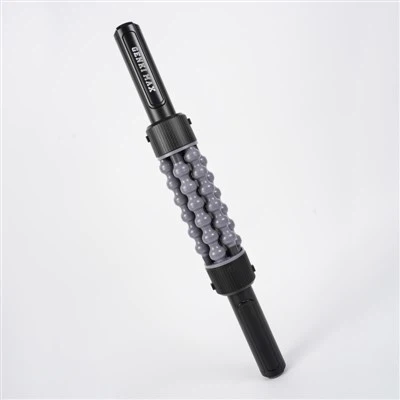
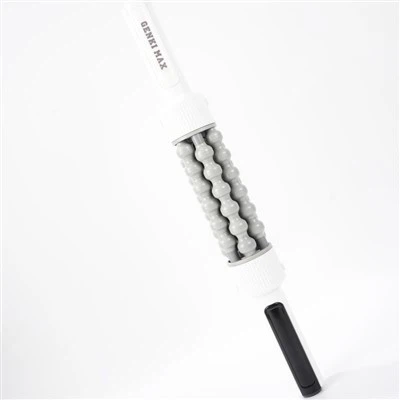
- Choose the Right Foam Roller: There are several types of foam rollers available, ranging from soft to firm. If you're new to foam rolling, it's best to start with a softer roller and gradually work your way up to a firmer one as your tolerance increases. You can check out our Cellulite Blaster Roller, Portable Electric Muscle Roller, or Fitness Electric Muscle Roller for high-quality options.
- Warm Up: Before you start foam rolling, it's important to warm up your body to increase blood flow and reduce the risk of injury. You can do some light cardio, such as jogging in place or jumping jacks, for a few minutes to get your blood flowing.
- Position the Foam Roller: Lie on your side with the foam roller placed under your hip, just above the hip bone. Make sure the foam roller is perpendicular to your body.
- Roll Slowly: Slowly roll the foam roller up and down your hip, applying gentle pressure. If you find a particularly tight spot, you can pause and hold the pressure for a few seconds to allow the fascia to stretch.
- Breathe Deeply: As you roll, breathe deeply and slowly to help relax your muscles and fascia.
- Repeat on the Other Side: After you've rolled one hip, repeat the process on the other side.
- Cool Down: After you've finished foam rolling, it's a good idea to cool down by stretching your hips and other major muscle groups. You can do some simple stretches, such as lunges or hip flexor stretches, to help maintain your flexibility.
Tips for Effective Foam Rolling
Here are some tips to help you get the most out of your foam rolling sessions:
- Start Slowly: If you're new to foam rolling, start with short sessions of 1-2 minutes per area and gradually increase the duration and intensity as your body gets used to it.
- Listen to Your Body: Foam rolling should not be painful. If you experience sharp or intense pain, stop immediately and consult a healthcare professional.
- Use Proper Technique: Make sure you're using the foam roller correctly and applying pressure evenly. Avoid rolling over bony areas or joints.
- Be Consistent: To see the best results, it's important to foam roll regularly. Aim to foam roll at least 2-3 times per week, or more if you have particularly tight hips.
- Combine with Other Exercises: Foam rolling can be a great addition to your regular exercise routine, but it should not be the only form of stretching or exercise you do. Make sure to also incorporate other activities, such as yoga, Pilates, or strength training, to improve your overall flexibility and strength.
Conclusion
In conclusion, foam rolling fascia can be a beneficial tool for addressing hip tightness. By improving blood flow, breaking up adhesions, increasing flexibility, and reducing muscle tension, foam rolling can help to relieve pain, improve mobility, and enhance overall hip function. While more research is needed to fully understand the effects of foam rolling fascia on hip tightness, the available evidence suggests that it can be a safe and effective way to manage this common issue.
If you're interested in trying foam rolling to address your hip tightness, I encourage you to give it a try. Our range of foam roller fascia products, including the Cellulite Blaster Roller, Portable Electric Muscle Roller, and Fitness Electric Muscle Roller, are designed to provide effective and comfortable self-myofascial release.
If you're a retailer or distributor interested in partnering with us to offer our high-quality foam roller fascia products to your customers, we'd love to hear from you. Contact us to discuss potential procurement opportunities and start helping your customers improve their hip health today.
References
- Behm, D. G., Blazevich, A. J., Cannavan, D., & Gruber, K. (2016). Acute effects of self-myofascial release foam rolling on range of motion, muscle recovery, and performance: A systematic review. Sports Medicine, 46(12), 1869-1886.
- Cagnie, B., De Mey, K., Cambier, D., & Danneels, L. (2012). The effectiveness of myofascial release techniques: A systematic review. Manual Therapy, 17(2), 129-139.
- Hoeger, W. W., Hoeger, S. M., & Petruzzello, S. (2016). Lifetime Physical Fitness and Wellness: A Personalized Program. Cengage Learning.
- Klingler, W. A., & Childs, J. D. (2015). The effectiveness of self-myofascial release on range of motion, strength, and pain: A systematic review. Journal of Athletic Training, 50(10), 1082-1091.
- Wallhead, T., & Hides, J. A. (2014). The effects of self-myofascial release on range of motion, muscle activation, and performance: A systematic review. Journal of Strength and Conditioning Research, 28(12), 3587-3598.