Hey there, fitness enthusiasts! As a supplier of foam roller fascia products, I get a ton of questions from folks looking to take their self - care and muscle recovery game to the next level. One question that pops up quite often is, "Can I use a foam roller on my neck and shoulder fascia simultaneously?" Let's dive right into it.
First off, let's talk a bit about what foam rolling is and why it's so popular. Foam rolling is a form of self - myofascial release. The fascia is a thin, connective tissue that wraps around your muscles, bones, and organs. When we work out, or even just go about our daily lives, this fascia can get tight and restricted. Foam rolling helps to break up those adhesions in the fascia, increase blood flow to the muscles, and reduce muscle soreness.
Now, back to the main question. Can you use a foam roller on your neck and shoulder fascia at the same time? The short answer is yes, but with some important caveats.
The neck and shoulders are delicate areas. The neck houses your spinal cord, a super important part of your nervous system. And the shoulders are a complex joint with a lot of tendons, ligaments, and muscles. So, you've got to be extra careful when using a foam roller in these areas.
If you're going to foam roll your neck and shoulders simultaneously, here's how you can do it safely. First, choose the right foam roller. You don't want something too hard. A medium - density foam roller is usually a good choice. Start by lying on your back on a flat surface. Place the foam roller horizontally across your upper back, just below your shoulder blades.
Gently lower your head back onto the foam roller so that it's supporting the base of your skull. Make sure your neck is in a neutral position, not bent too far forward or backward. Now, you can start to slowly roll up and down. This motion will target both the neck and shoulder fascia at the same time. But remember, keep the pressure light. You're not trying to crush your muscles; you're just trying to release the tension.
Another method is to sit on a chair and place the foam roller between your back and the chair. Lean your head back against the foam roller at an angle that allows it to touch both the back of your neck and the tops of your shoulders. Then, slowly move your head and upper body in small circles or side - to - side motions. This can also help to work on the fascia in both areas.
But why would you want to foam roll your neck and shoulders together? Well, these two areas are often interconnected. If you've been sitting at a desk all day, chances are your neck and shoulders are both tight. By foam rolling them together, you can address the overall tension pattern in that region. It can also save you time. Instead of spending separate time on your neck and then your shoulders, you can get the job done in one go.
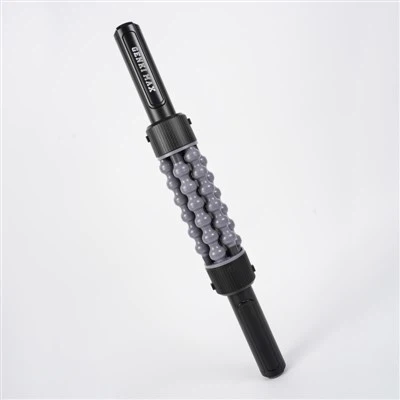
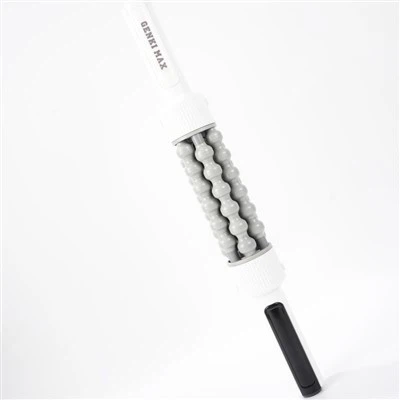
Now, let's talk about some of our products that can help with this. We offer a range of foam rollers that are perfect for targeting the neck and shoulder fascia. And if you're looking for something a bit more high - tech, we've got some great options too.
Check out our Fitness Electric Muscle Roller. This bad boy uses electric power to provide a more intense and targeted massage. It's got adjustable settings, so you can customize the pressure and speed according to your needs. Whether you're a professional athlete or just someone looking to relieve some everyday stress, this roller can be a game - changer.


If you're into vibrations, our Vibration Electric Muscle Roller is a must - have. The vibrations help to further break up the adhesions in the fascia and increase blood circulation. It's like having a personal masseuse at home.
And for those who are also concerned about cellulite, our Cellulite Blaster Roller is a great option. While it's mainly designed for cellulite reduction, it can also be used on the neck and shoulders to provide a gentle massage and help with fascia release.
However, there are some situations where you should avoid foam rolling your neck and shoulders together. If you have any pre - existing neck or shoulder injuries, such as a herniated disc, rotator cuff tear, or whiplash, it's best to consult a healthcare professional before attempting to foam roll. They can give you specific advice based on your condition.
Also, if you experience any pain, numbness, or tingling during foam rolling, stop immediately. These could be signs that you're putting too much pressure on a nerve or causing further damage.
In conclusion, using a foam roller on your neck and shoulder fascia simultaneously is possible and can be beneficial if done correctly. It's a great way to improve flexibility, reduce muscle soreness, and enhance your overall well - being. But always prioritize safety and listen to your body.
If you're interested in our foam roller fascia products, whether it's the traditional foam rollers or our high - tech electric options, we'd love to hear from you. We're here to help you find the perfect product for your needs. Reach out to us if you have any questions or want to start a purchase negotiation. We're looking forward to working with you to take your muscle recovery and self - care to new heights.
References
- "Trigger Point Therapy Workbook" by Clair Davies and Amber Davies
- "The Roll Model: A Step - by - Step Guide to Erase Pain, Improve Mobility, and Live Better in Your Body" by Jill Miller