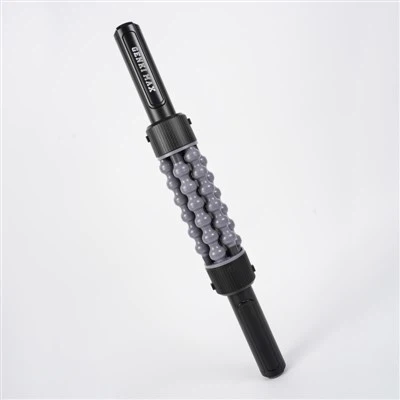
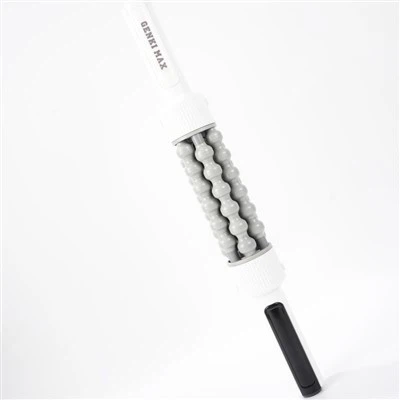
Can I use a plastic muscle roller on my feet?
As a supplier of Plastic Muscle Rollers, I often receive questions from customers about the appropriate use of our products. One of the common queries is whether it's safe and effective to use a plastic muscle roller on the feet. In this blog post, I'll delve into the topic, exploring the benefits, potential risks, and best practices of using a plastic muscle roller for foot self - massage.
Benefits of Using a Plastic Muscle Roller on Feet
- Improved Circulation:
Similar to other parts of the body, rolling the feet with a plastic muscle roller can stimulate blood flow. When you apply pressure and roll the device along the sole of your foot, it helps to dilate blood vessels. This increased blood circulation ensures that more oxygen and nutrients are delivered to the feet muscles, tendons, and ligaments. Good circulation is crucial for maintaining healthy feet and can aid in reducing swelling and discomfort, especially for those who stand for long periods or engage in high - impact activities like running. - Muscle Relaxation:
The feet contain numerous small muscles that can become tight and fatigued. A plastic muscle roller can be an excellent tool for releasing tension in these muscles. By gently rolling the device over the arch, heel, and ball of the foot, you can target specific muscle groups. For example, the plantar fascia, a thick band of tissue that runs along the bottom of the foot, is prone to tightness and can cause conditions like plantar fasciitis. Using a plastic muscle roller can help stretch and relax this fascia, alleviating pain and preventing further injury. - Enhanced Flexibility:
Regularly using a plastic muscle roller on the feet can improve flexibility. The rolling motion helps to loosen up the connective tissues in the feet, allowing for a greater range of motion. This is particularly beneficial for athletes, dancers, or individuals who participate in activities that require a high degree of foot flexibility. By increasing flexibility, you can also reduce the risk of injuries and improve overall performance.
Potential Risks and Precautions
- Excessive Pressure:
One of the main risks associated with using a plastic muscle roller on the feet is applying too much pressure. The feet are sensitive areas with many nerves and delicate structures. Excessive pressure can cause bruising, soreness, or even damage to the nerves and tissues. To avoid this, it's important to start with gentle pressure and gradually increase it as your feet get used to the rolling motion. If you experience sharp or intense pain, stop immediately. - Pre - existing Conditions:
If you have certain pre - existing conditions such as diabetes, neuropathy, or open wounds on your feet, it's advisable to consult a healthcare professional before using a plastic muscle roller. These conditions can affect the sensitivity and integrity of your feet, and the use of the roller may pose additional risks. For example, individuals with diabetes may have reduced sensation in their feet, which means they may not be able to detect excessive pressure, leading to potential injuries. - Improper Technique:
Using the plastic muscle roller with improper technique can also lead to ineffective results or even cause harm. For instance, rolling too quickly or in the wrong direction may not provide the desired benefits and can potentially strain the muscles. It's important to roll slowly and steadily, focusing on one area at a time.
Best Practices for Using a Plastic Muscle Roller on Feet
- Warm - Up First:
Just like with any other form of exercise or self - massage, it's a good idea to warm up your feet before using the plastic muscle roller. You can do this by taking a short walk or soaking your feet in warm water for a few minutes. Warming up helps to increase blood flow to the feet and makes the muscles more pliable, enhancing the effectiveness of the rolling. - Proper Positioning:
Sit in a comfortable chair with your feet flat on the floor. Place the plastic muscle roller under the sole of one foot. Start at the heel and slowly roll the device forward towards the ball of the foot, applying gentle pressure. You can also roll from side to side to target different areas of the foot. Make sure to keep your back straight and your core engaged to maintain proper balance. - Target Specific Areas:
Pay special attention to areas that feel particularly tight or sore. For example, if you have a tight arch, you can roll the plastic muscle roller gently along the curve of the arch for a few minutes. Spend more time on these targeted areas, but remember not to overdo it.
Our Product Range
At our company, we offer a variety of muscle rollers to meet different needs. In addition to our Plastic Muscle Roller, we also have the Portable Electric Muscle Roller which provides additional features such as adjustable speed and intensity. The Smart Electric Muscle Roller is another great option for those who want a more high - tech and personalized experience. All our products are designed with quality and functionality in mind, ensuring that you get the best results from your self - massage sessions.
Conclusion and Call to Action
In conclusion, using a plastic muscle roller on the feet can be a safe and effective way to improve circulation, relax muscles, and enhance flexibility. However, it's important to use it correctly and take necessary precautions. If you're interested in our Plastic Muscle Rollers or other related products, we encourage you to get in touch with us to discuss your specific needs and requirements. Whether you're a fitness enthusiast, an athlete, or someone looking to relieve foot pain, our products can provide the solution you're looking for. We look forward to the opportunity to serve you and help you achieve better foot health.


References
- "The Benefits of Self - Myofascial Release" - Journal of Sports Rehabilitation
- "Foot Health and Flexibility" - American Podiatric Medical Association