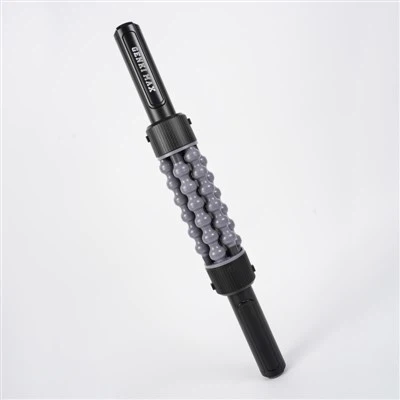
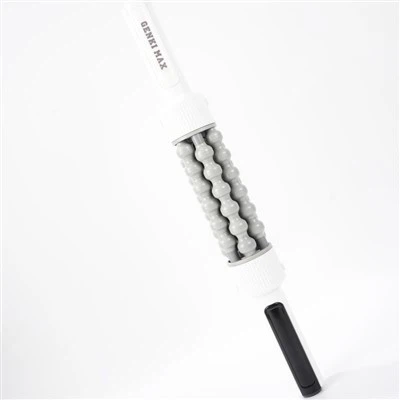
Can I use an electric muscle roller on my shoulders? This is a question I often encounter as a supplier of electric muscle rollers. In this blog, I'll delve into the feasibility, benefits, and precautions of using an electric muscle roller on the shoulders, and also introduce some of our products in the process.
The Feasibility of Using an Electric Muscle Roller on Shoulders
The shoulders are a complex area of the body, composed of multiple muscles, including the deltoids, rotator cuff muscles, and trapezius. These muscles are prone to tightness, soreness, and even injury, especially for those who engage in repetitive shoulder - related movements, such as athletes, office workers who sit at desks for long hours, and weightlifters.
Electric muscle rollers work by applying variable levels of pressure and vibration to the muscles. Scientifically speaking, the mechanical stimulation from the roller can penetrate deep into the muscle tissues. This helps to increase blood flow to the area, which is beneficial for muscle recovery. Since the shoulder muscles can be effectively reached by an electric muscle roller, it is indeed feasible to use it on the shoulders.
Blood circulation is crucial for muscle health. When we use an electric muscle roller on the shoulders, the enhanced blood flow that the roller stimulates can deliver more oxygen and nutrients to the muscle cells. At the same time, it can also help remove metabolic waste products, such as lactic acid, that accumulate during physical activity. This process can alleviate muscle fatigue and reduce the risk of muscle soreness.
Benefits of Using an Electric Muscle Roller on Shoulders
1. Muscle Relaxation
One of the most significant benefits of using an electric muscle roller on the shoulders is muscle relaxation. Tense shoulder muscles can lead to various problems, such as neck pain, poor posture, and even headaches. The vibrations and pressure from the electric muscle roller can help to release muscle knots and spasms. By targeting the tight areas, it allows the muscles to gradually loosen up, providing immediate relief from discomfort.
2. Improved Flexibility
Regular use of an electric muscle roller on the shoulders can also contribute to improved flexibility. When the muscles are tight, the range of motion of the shoulder joint is restricted. Through consistent rolling, the muscle fibers can become more supple, which in turn increases the flexibility of the shoulder joint. This is particularly beneficial for athletes who need a wide range of motion in their shoulder activities, such as swimmers, tennis players, and baseball pitchers.

3. Injury Prevention
By promoting proper muscle function and blood circulation, using an electric muscle roller on the shoulders can play a role in injury prevention. When the shoulder muscles are well - maintained and relaxed, they are less likely to be overstressed or strained during physical activities. This is especially important for individuals who engage in high - impact sports or heavy lifting, as it can reduce the risk of common shoulder injuries, such as rotator cuff tears and shoulder impingement syndrome.
Precautions When Using an Electric Muscle Roller on Shoulders
1. Check for Underlying Conditions
Before using an electric muscle roller on your shoulders, it's important to consult a doctor if you have any pre - existing shoulder conditions, such as fractures, dislocations, or severe arthritis. In some cases, using a muscle roller may worsen the condition. For example, if there is a fresh fracture in the shoulder, the pressure and vibration from the roller can disrupt the healing process.
2. Adjust the Intensity
Electric muscle rollers usually have multiple intensity levels. When using it on the shoulders, start with a low intensity and gradually increase it as your muscles adapt. The shoulder muscles are relatively delicate compared to some larger muscle groups in the body, so excessive pressure can cause bruising or muscle damage.
3. Use Proper Technique
Proper technique is essential when using an electric muscle roller on the shoulders. Roll the device slowly and steadily along the length of the muscle, and avoid applying too much pressure to a single point. Focus on the areas that feel tight or sore, but also be gentle around the joints. For instance, when rolling the deltoid muscles, keep the roller moving in a smooth circular or linear motion.
Introduction to Our Electric Muscle Rollers
As a supplier of electric muscle rollers, we offer a diverse range of products designed to meet different needs.
- Plastic Muscle Roller: This type of roller is lightweight and easy to handle. The plastic material is durable, and it provides a moderate level of pressure for shoulder muscle relaxation. It's a great choice for those who are new to using electric muscle rollers.
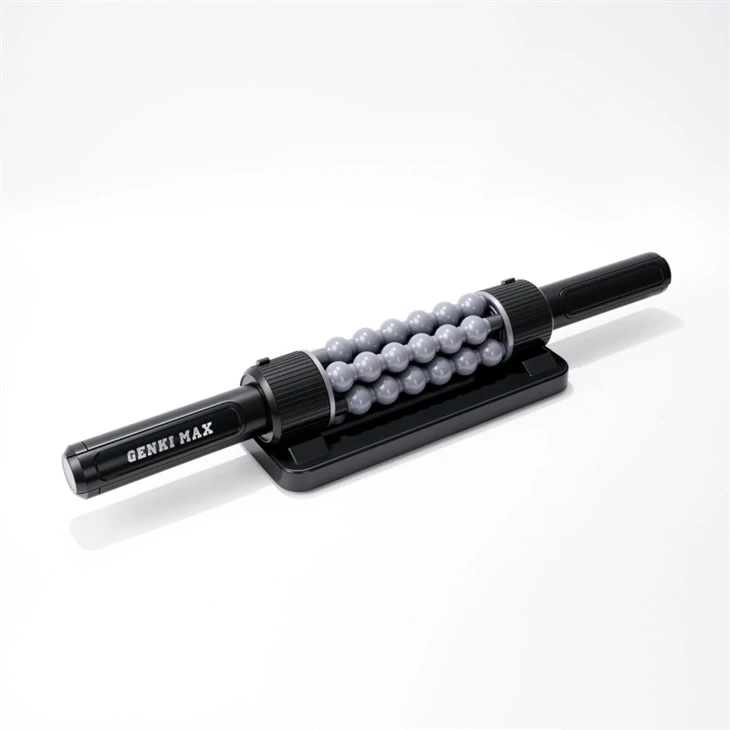
- Cellulite Blaster Roller: While it's known for its anti - cellulite function, this roller can also be effectively used on the shoulders. It has a unique design with multiple massage nodes that can provide a more intense and targeted massage experience, helping to break up tight muscle fibers in the shoulders.
- Fitness Electric Muscle Roller: Specifically designed for fitness enthusiasts, this roller has a high - power motor and adjustable vibration frequencies. It can deliver deep - tissue massage to the shoulder muscles, which is ideal for post - workout recovery and maintaining muscle health.
Encouragement to Contact Us for Purchase
If you're interested in experiencing the benefits of using an electric muscle roller on your shoulders, we encourage you to contact us for a purchase. Our products are of high quality, backed by scientific research, and are designed to provide the best muscle - relaxing experience. Whether you're an athlete looking for optimal muscle recovery, an office worker seeking relief from shoulder tension, or just someone who wants to maintain good muscle health, our electric muscle rollers are the perfect choice. Feel free to reach out for more information about our products, and we'll be delighted to assist you in finding the most suitable electric muscle roller for your needs.
References
- American College of Sports Medicine. (2023). Guidelines for exercise and muscle recovery.
- Mayo Clinic. (2023). Muscle pain: When to see a doctor.
- Journal of Sports Science and Medicine. (2022). The effects of mechanical muscle stimulation on blood circulation and muscle function.