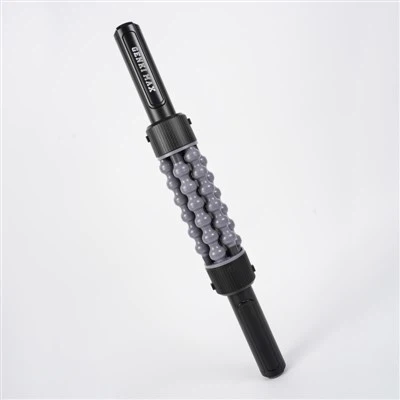
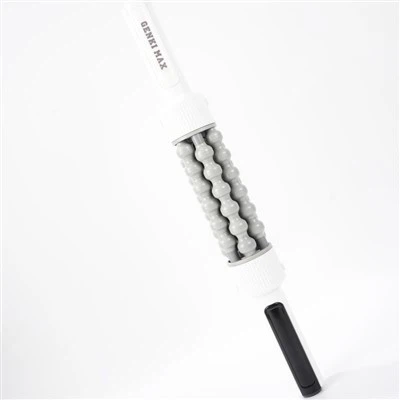
In recent years, the fascia roller has emerged as a popular tool in the fitness and rehabilitation fields. As a fascia roller supplier, I've witnessed firsthand the growing interest in these devices. But beyond their well - known benefits for muscle recovery and flexibility, there's a deeper question: How does a fascia roller affect the nervous system?
Understanding the Fascia and the Nervous System
Before delving into the impact of fascia rollers on the nervous system, it's essential to understand the fascia and the nervous system themselves. The fascia is a connective tissue that surrounds and penetrates every muscle, bone, nerve, blood vessel, and organ in the body. It provides structural support, helps with movement, and plays a role in the body's overall communication system.
The nervous system, on the other hand, is the body's control center. It consists of the central nervous system (the brain and spinal cord) and the peripheral nervous system (nerves that branch out from the spinal cord to the rest of the body). The nervous system is responsible for transmitting signals, controlling movement, and regulating bodily functions.
Mechanoreceptors and the Nervous System
One of the key ways a fascia roller affects the nervous system is through its interaction with mechanoreceptors. Mechanoreceptors are sensory receptors in the body that respond to mechanical stimuli such as pressure, vibration, and stretch. When you use a Gymstick Fascia Roller, the pressure and rolling action stimulate these mechanoreceptors in the fascia and muscles.
There are several types of mechanoreceptors that are particularly relevant in this context. Pacinian corpuscles, for example, are sensitive to deep pressure and high - frequency vibrations. When a fascia roller applies pressure and movement, these corpuscles send signals to the nervous system. These signals are then transmitted to the brain, which interprets them as a form of tactile information.
Another type of mechanoreceptor, the Ruffini endings, are sensitive to stretch and changes in the shape of the fascia. As the fascia roller stretches and manipulates the fascia, the Ruffini endings are activated. This activation can lead to a cascade of neural responses. For instance, it can trigger the relaxation of muscles, as the nervous system receives information that the tissue is being gently stretched and manipulated.
Proprioception and the Nervous System
Proprioception is the body's ability to sense its position, movement, and orientation in space. It is an essential function that relies on the interaction between the muscles, joints, and the nervous system. The use of a fascia roller can have a significant impact on proprioception.
When you roll a Fascia Body Roller over your muscles and fascia, it stimulates proprioceptors in the muscles and joints. These proprioceptors, such as muscle spindles and Golgi tendon organs, provide feedback to the nervous system about the length, tension, and position of the muscles.
For example, muscle spindles are sensory receptors within the muscles that detect changes in muscle length. When the fascia roller stretches the muscle, the muscle spindles are activated, and they send signals to the spinal cord and brain. This feedback helps the nervous system to adjust muscle tone and movement patterns. By improving proprioception, fascia rolling can enhance balance, coordination, and overall movement efficiency.
Pain Perception and the Nervous System
Chronic pain is a common issue that can be related to problems in the fascia and nervous system. Tight fascia can compress nerves, leading to pain and discomfort. The use of a fascia roller can help alleviate this pain through several mechanisms related to the nervous system.
One mechanism is the gate - control theory of pain. According to this theory, the spinal cord has a "gate" that can either allow or block pain signals from reaching the brain. When you use a Muscle Fascia Roller, the non - painful sensory input from the mechanoreceptors can close the "gate" and reduce the transmission of pain signals.
Additionally, the stimulation of mechanoreceptors by the fascia roller can trigger the release of endorphins. Endorphins are natural painkillers produced by the body. They bind to opioid receptors in the brain and spinal cord, reducing the perception of pain and creating a sense of well - being.
Autonomic Nervous System Regulation
The autonomic nervous system is responsible for regulating involuntary bodily functions such as heart rate, digestion, and respiration. It consists of two branches: the sympathetic nervous system (the "fight or flight" response) and the parasympathetic nervous system (the "rest and digest" response).
Using a fascia roller can have an impact on the balance between these two branches. The pressure and relaxation provided by the fascia roller can stimulate the parasympathetic nervous system. When the parasympathetic nervous system is activated, it promotes relaxation, reduces stress, and slows down the heart rate.
On the other hand, tight fascia and muscle tension can sometimes over - activate the sympathetic nervous system, leading to increased stress and anxiety. By using a fascia roller to release tension in the fascia and muscles, the nervous system can shift towards a more balanced state, with a greater influence of the parasympathetic nervous system.
Long - Term Effects on the Nervous System
Regular use of a fascia roller can have long - term effects on the nervous system. Over time, the repeated stimulation of mechanoreceptors and proprioceptors can lead to neural plasticity. Neural plasticity refers to the brain's ability to change and adapt in response to experience.
As the nervous system becomes more accustomed to the input from the fascia roller, it can improve its ability to process sensory information and regulate muscle function. This can result in better movement patterns, reduced pain, and enhanced overall physical performance.
Conclusion and Call to Action
In conclusion, the fascia roller has a profound impact on the nervous system. Through its interaction with mechanoreceptors, proprioceptors, and the regulation of pain perception and the autonomic nervous system, it can bring about significant benefits for both physical and mental health.
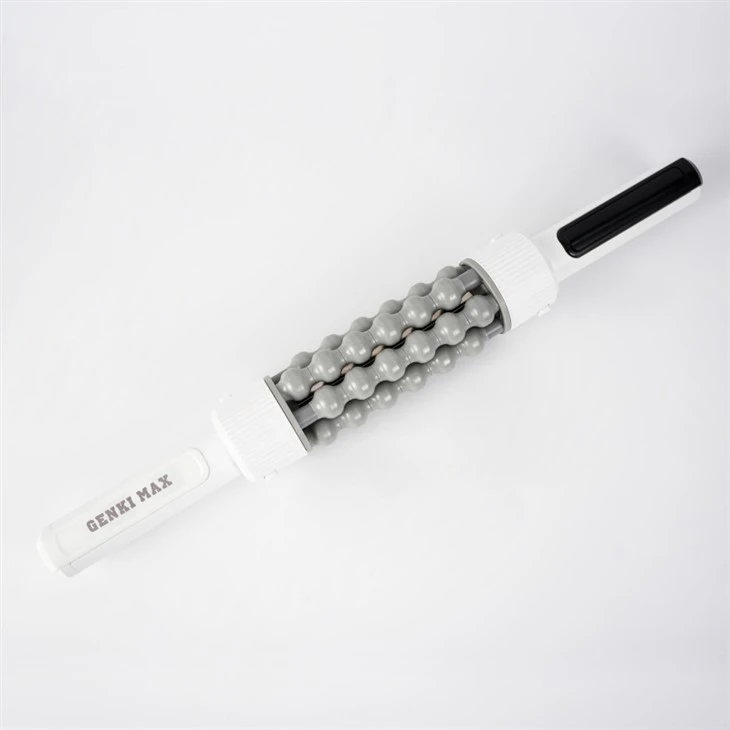
If you're interested in experiencing these benefits for yourself or your clients, we invite you to explore our range of high - quality fascia rollers. Whether you're a fitness enthusiast, a physical therapist, or a professional athlete, our Gymstick Fascia Roller, Fascia Body Roller, and Muscle Fascia Roller are designed to meet your needs. We're always open to discussing bulk purchases and custom orders. Contact us today to start a procurement discussion and discover how our fascia rollers can enhance your business or personal fitness routine.

References
- Guyton, A. C., & Hall, J. E. (2006). Textbook of Medical Physiology. Elsevier Saunders.
- McMahon, S. B., & Koltzenburg, M. (2005). Wall and Melzack's Textbook of Pain. Elsevier Churchill Livingstone.
- Schleip, R., & Müller, L. (2013). Fascia: The Tensional Network of the Human Body. Elsevier.