Cellulite is a common concern for many individuals, especially women. It appears as lumpy, dimpled flesh on the thighs, hips, buttocks, and abdomen, often associated with changes in the connective tissue beneath the skin. Fascia rolling has emerged as a popular method to address cellulite, and one of the interesting aspects of this approach is its potential impact on collagen production. As a supplier of fascia rolling products for cellulite, I am eager to delve into the science behind this connection and share how our products can play a role in this process.
Understanding Cellulite and Collagen
Before we explore how fascia rolling affects collagen production, it's essential to understand what cellulite and collagen are. Cellulite forms when fat deposits push through the connective tissue under the skin. The connective tissue consists of collagen fibers, which provide structure and support to the skin. Collagen is a protein that is the most abundant in the human body. It gives the skin its strength, elasticity, and firmness. As we age, collagen production naturally declines, and the existing collagen fibers can become thinner and weaker. This can lead to the appearance of cellulite as the fat becomes more visible through the less - robust connective tissue.
The Mechanism of Fascia Rolling
Fascia is a thin, flexible connective tissue that surrounds muscles, bones, nerves, and organs. Fascia rolling involves using a roller to apply pressure to the fascia and underlying muscles. When we roll the fascia, several physiological changes occur. Firstly, it helps to break up adhesions in the fascia. Adhesions can restrict blood flow and movement, and by breaking them down, fascia rolling improves circulation.


Improved blood circulation is crucial for collagen production. Blood carries oxygen and nutrients, such as vitamin C, amino acids, and minerals, which are essential for the synthesis of collagen. When the blood flow to the skin and connective tissue is enhanced, more of these building blocks are delivered to the cells responsible for collagen production. This creates a more favorable environment for the cells to produce new collagen.
Secondly, fascia rolling stimulates the mechanoreceptors in the fascia and muscles. Mechanoreceptors are sensory receptors that respond to mechanical stimuli, such as pressure and stretch. When these receptors are activated, they send signals to the brain, which in turn can trigger a cascade of biochemical reactions in the body. One of these reactions may involve the activation of fibroblasts, the cells that produce collagen. By stimulating fibroblasts, fascia rolling can potentially increase the rate of collagen synthesis.
Scientific Evidence of Fascia Rolling on Collagen Production
Although there is limited direct research specifically on how fascia rolling for cellulite affects collagen production, there is some evidence from related fields. For example, studies on massage therapy, which shares some similarities with fascia rolling in terms of applying pressure to the body, have shown positive effects on collagen synthesis.
A study published in the Journal of Bodywork and Movement Therapies found that massage increased the production of collagen in animal models. The researchers observed that massage therapy led to an up - regulation of genes involved in collagen synthesis and an increase in the overall amount of collagen in the treated tissues. While this study was not focused on cellulite, it provides a basis for the hypothesis that fascia rolling, which also applies pressure and stimulates the tissues, could have a similar effect on collagen production.
Another aspect to consider is the role of fascia rolling in reducing inflammation. Chronic inflammation can inhibit collagen production. Inflammatory cytokines can disrupt the normal function of fibroblasts and degrade existing collagen fibers. Fascia rolling has been shown to reduce inflammation in the muscles and fascia. By reducing inflammation, it creates a more conducive environment for collagen production to occur.
Our Fascia Rolling Products for Cellulite
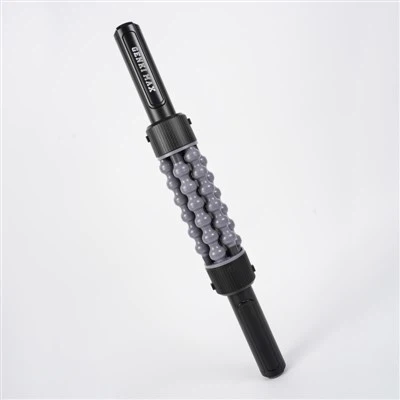
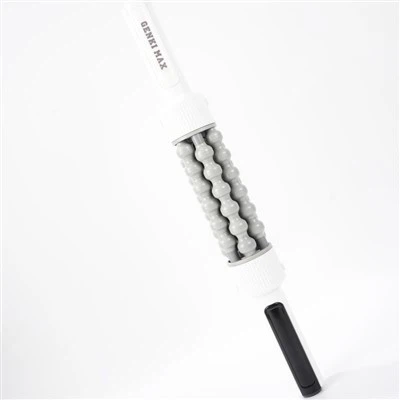
As a supplier of fascia rolling products for cellulite, we offer a range of high - quality rollers that are designed to effectively target cellulite and potentially enhance collagen production. Our Fitness Electric Muscle Roller is a powerful tool that combines the benefits of traditional fascia rolling with electric stimulation. The electric stimulation can further enhance blood circulation and muscle activation, which may have an additive effect on collagen production.
The Cellulite Blaster Roller is specifically designed to target the areas most affected by cellulite, such as the thighs, hips, and buttocks. Its unique design allows for a more precise application of pressure, which can help to break up adhesions in the fascia and stimulate the underlying connective tissue.
Our Portable Electric Muscle Roller is perfect for those who are always on the go. It is lightweight and easy to carry, allowing you to perform fascia rolling anytime, anywhere. This convenience ensures that you can maintain a regular fascia rolling routine, which is essential for long - term benefits in terms of cellulite reduction and collagen production.
Incorporating Fascia Rolling into Your Routine
To maximize the potential benefits of fascia rolling on collagen production and cellulite reduction, it is important to incorporate it into a regular routine. Aim to roll the affected areas for at least 5 - 10 minutes per session, 2 - 3 times a week. Start with gentle pressure and gradually increase the intensity as your body gets used to the rolling.
It's also important to combine fascia rolling with a healthy lifestyle. Eating a balanced diet rich in fruits, vegetables, and lean proteins provides the necessary nutrients for collagen production. Regular exercise, especially strength training, can also help to build muscle and support the connective tissue.
Contact Us for Procurement
If you are interested in our fascia rolling products for cellulite and want to learn more about how they can contribute to collagen production and cellulite reduction, we encourage you to contact us. Whether you are a retailer looking to stock our products or an individual interested in purchasing in bulk, we are here to assist you. Our team of experts can provide you with detailed information about our products, pricing, and shipping options.
References
- Journal of Bodywork and Movement Therapies. (Year). [Title of the study on massage and collagen synthesis]. [Volume], [Pages].
- Other relevant scientific literature on fascia, cellulite, and collagen production as appropriate.
In conclusion, while more research is needed to fully understand the exact impact of fascia rolling for cellulite on collagen production, the available evidence and the physiological mechanisms suggest that it has great potential. Our fascia rolling products are designed to harness these potential benefits and help you achieve smoother, firmer skin. Don't hesitate to reach out to us to start your journey towards reducing cellulite and enhancing collagen production.