Yo, what's up everyone! I'm stoked to chat with you about something super cool today - how foam rolling fascia can totally impact muscle elasticity. And hey, I'm in the game as a foam roller fascia supplier, so I've got some insider knowledge to share.
Let's start by getting on the same page about what fascia is. Fascia is this connective tissue that's like a web, wrapping around our muscles, bones, and organs. It's kind of like the body's internal scaffolding, holding everything in place and allowing different parts to move smoothly against each other. When this fascia gets all tight and restricted, it can mess with how our muscles work and feel.
Now, foam rolling is a form of self - myofascial release. It's like having your own personal massage therapist at home, without the hefty price tag. When you use a foam roller on your fascia, you're applying pressure to those tight spots. This pressure helps to break up adhesions or knots in the fascia. Think of it like untangling a ball of yarn. When the fascia is all knotted up, it can limit the range of motion of your muscles and make them feel stiff.
So, how exactly does foam rolling fascia affect muscle elasticity? Well, when you roll over those tight areas, it stimulates blood flow to the muscles. More blood means more oxygen and nutrients are delivered to the muscle fibers. This is crucial because it helps the muscles recover faster and also keeps them in good shape. When muscles are well - nourished, they're more likely to be elastic.
Elasticity is super important for our muscles. It allows them to stretch and contract efficiently. For athletes, good muscle elasticity can mean better performance. They can run faster, jump higher, and move more freely. Even for us regular folks, having elastic muscles makes everyday activities like walking, bending, and lifting easier.
Let me give you an example. Say you're a runner. After a long run, your calf muscles might feel tight. If you don't do anything to loosen them up, the fascia around those muscles can start to stick together. This restricts the movement of the calf muscles and can lead to pain and even injury. But if you grab a foam roller and start rolling your calves, you'll be breaking up those adhesions in the fascia. As a result, the calf muscles can stretch more easily, and you'll be less likely to experience that post - run tightness and soreness.
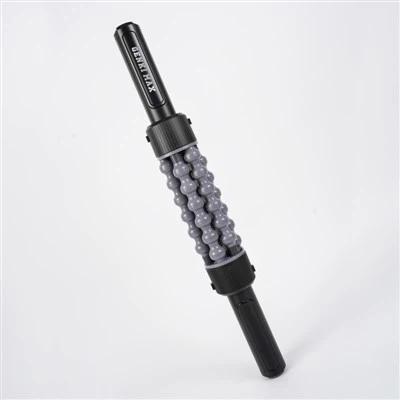
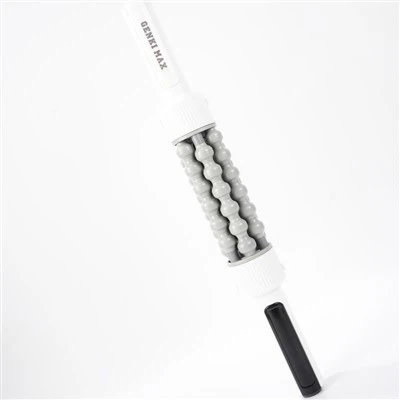
Now, I know what you're thinking. "What kind of foam roller should I use?" Well, I've got some great options for you. Check out our Cellulite Blaster Roller. This bad boy is designed to not only help with muscle elasticity but also target cellulite. It's got a unique design that allows for a deeper massage, really getting into those tight areas of the fascia.
Another option is our Plastic Muscle Roller. It's lightweight and easy to use. Whether you're at home, at the gym, or on the go, this plastic roller can be your go - to tool for self - myofascial release.
And if you're looking for something high - tech, our Smart Electric Muscle Roller is the way to go. It's got adjustable settings, so you can customize the intensity of the massage according to your needs. It's like having a high - end massage experience right in your hands.
Using a foam roller is pretty simple. You just need to find a comfortable place to lie down or sit. Then, place the roller under the area of your body that you want to work on. Slowly roll back and forth, applying pressure to the tight spots. If you find a really tender area, you can pause and hold the pressure for a few seconds. This helps to break up the adhesions in the fascia.
It's important to note that foam rolling isn't a one - time fix. You need to make it a regular part of your routine. Just like you need to eat healthy food every day to stay in good shape, you need to foam roll regularly to maintain good muscle elasticity.
Now, some people might be worried about over - doing it with foam rolling. It's true that if you apply too much pressure or roll for too long, you can actually cause more harm than good. So, start slow and gradually increase the intensity and duration of your foam rolling sessions as your body gets used to it.
In addition to improving muscle elasticity, foam rolling has other benefits too. It can reduce muscle soreness after a workout. When you exercise, your muscles can get micro - tears. Foam rolling helps to speed up the recovery process by increasing blood flow and reducing inflammation. It can also improve your flexibility. As the fascia becomes more pliable, your joints can move through a greater range of motion.
If you're into sports or fitness, you'll definitely notice a difference in your performance after incorporating foam rolling into your routine. You'll find that you can train harder and longer without getting as tired. And for those of us who sit at a desk all day, foam rolling can help counteract the negative effects of sitting. It can relieve tension in the neck, shoulders, and back, which are common areas of tightness for office workers.


So, if you're interested in improving your muscle elasticity and overall well - being, foam rolling is a must - try. And if you're looking for high - quality foam rollers, I've got you covered. As a foam roller fascia supplier, I'm committed to providing products that are effective and durable.
Whether you're an athlete, a fitness enthusiast, or just someone who wants to feel better in their own body, our foam rollers can make a big difference. If you're thinking about purchasing in bulk for your gym, sports team, or just to share with friends and family, I'd love to have a chat with you. Let's talk about how we can meet your needs and get you the best foam rollers at a great price.
References
- "Trigger Point Therapy Workbook" by Clair Davies
- "Anatomy Trains" by Thomas W. Myers
- Research studies on myofascial release and muscle elasticity from various sports medicine journals