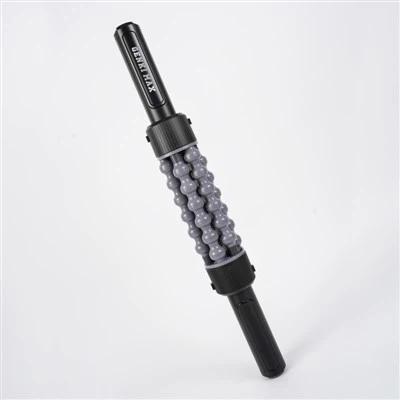
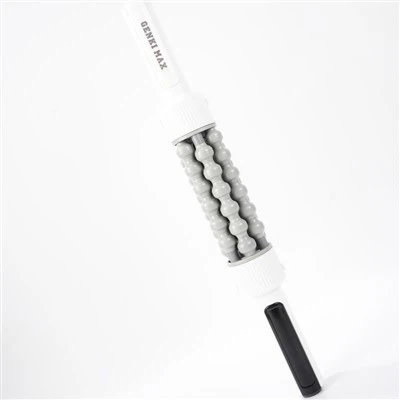
When it comes to self - myofascial release and muscle recovery, a fascia body roller is an invaluable tool. As a supplier of high - quality fascia body rollers, I understand the challenges that consumers face in choosing the right one. In this blog, I'll guide you through the process of selecting a fascia body roller that suits your needs.
Understanding Fascia and the Role of a Fascia Body Roller
Fascia is a thin, connective tissue that wraps around muscles, bones, nerves, and blood vessels. It provides support and protection to these structures. However, due to factors like injury, overuse, or poor posture, fascia can become tight and restricted, leading to pain, reduced flexibility, and decreased performance.
A Fascia Body Roller helps to break up adhesions in the fascia, increase blood flow to the muscles, and promote relaxation. By using a fascia body roller regularly, you can improve your range of motion, reduce muscle soreness, and enhance your overall physical well - being.


Factors to Consider When Choosing a Fascia Body Roller
1. Intended Use
- General Muscle Recovery: If you're looking for a roller for general muscle recovery after a workout or daily activities, a basic smooth roller may be sufficient. It provides a gentle massage and can be used on large muscle groups such as the thighs, calves, and back.
- Targeted Therapy: For more targeted therapy, such as treating specific muscle knots or trigger points, a textured or spiked roller might be a better choice. These rollers apply more pressure to the affected areas, helping to release tension more effectively. For example, a Gymstick Fascia Roller with its unique design can be great for targeting hard - to - reach areas.
2. Roller Material
- Foam: Foam rollers are the most common type. They are lightweight, affordable, and come in various densities. Soft foam rollers are suitable for beginners or those with sensitive muscles, as they provide a more gentle massage. Medium - density foam rollers offer a good balance between comfort and pressure, while firm foam rollers are ideal for more experienced users who need deeper tissue massage.
- Hard Plastic or Rubber: Rollers made of hard plastic or rubber are more durable and can provide a more intense massage. They are often used by athletes or individuals with chronic muscle tightness. However, they may be too harsh for some people, especially those new to self - myofascial release.
3. Size and Shape
- Size: The size of the roller matters. Longer rollers are better for larger muscle groups, such as the back and thighs. Shorter rollers are more portable and can be used for smaller muscle areas, like the forearms and feet.
- Shape: There are different shapes of rollers available, including cylindrical, oval, and half - round. Cylindrical rollers are the most versatile and can be used on most parts of the body. Oval rollers are designed to conform to the body's curves, providing a more comfortable massage. Half - round rollers are great for targeting the back and can be used in a variety of positions.
4. Durability
- A high - quality fascia body roller should be able to withstand regular use without losing its shape or effectiveness. Look for rollers made from durable materials and with good construction. Check customer reviews to get an idea of how long a particular roller is likely to last.
5. Price
- Fascia body rollers come in a wide range of prices. While more expensive rollers may offer better quality and features, there are also many affordable options that can meet your needs. Consider your budget and how often you'll be using the roller when making a decision.
Different Types of Fascia Body Rollers
1. Smooth Foam Rollers
These are the most basic type of fascia body rollers. They are great for beginners and for general muscle relaxation. The smooth surface provides a gentle massage that can help to increase blood flow and reduce muscle soreness.
2. Textured Foam Rollers
Textured foam rollers have bumps or ridges on the surface. These textures provide a more targeted massage, helping to break up adhesions in the fascia more effectively. They are suitable for people with mild to moderate muscle tightness.
3. Spiked Rollers
Spiked rollers are designed to provide a more intense massage. The spikes apply concentrated pressure to the muscles, which can be very effective for releasing deep - seated tension. However, they are not recommended for beginners or those with sensitive skin or muscles.
4. Muscle Fascia Roller
This type of roller is specifically designed to target the muscles and fascia. It often has a unique shape or texture that allows for more precise massage. Muscle fascia rollers can be used for both general muscle recovery and targeted therapy.
Tips for Using a Fascia Body Roller
- Start Slowly: If you're new to using a fascia body roller, start with a gentle pressure and gradually increase it as your muscles get used to the massage.
- Use Proper Technique: Roll slowly over the muscle, pausing at any areas of tightness or discomfort. Apply gentle pressure and hold for a few seconds to allow the fascia to relax.
- Breathe Deeply: Deep breathing can help to relax your muscles and enhance the effectiveness of the massage.
- Combine with Stretching: Using a fascia body roller in combination with stretching can further improve your flexibility and range of motion.
Conclusion
Choosing the right fascia body roller is an important step in your journey towards better muscle health. By considering factors such as intended use, material, size, shape, durability, and price, you can find a roller that meets your specific needs. Whether you're a beginner looking for a gentle massage or an athlete in need of targeted therapy, there is a fascia body roller out there for you.
As a supplier of fascia body rollers, we are committed to providing high - quality products that meet the diverse needs of our customers. If you're interested in purchasing fascia body rollers for your personal use, gym, or business, we'd love to have a conversation with you. Contact us to discuss your requirements and explore our range of products.
References
- "Trigger Point Therapy Workbook" by Clair Davies and Amber Davies
- "The Roll Model: A Step - by - Step Guide to Erase Pain, Improve Mobility, and Live Better in Your Body" by Jill Miller