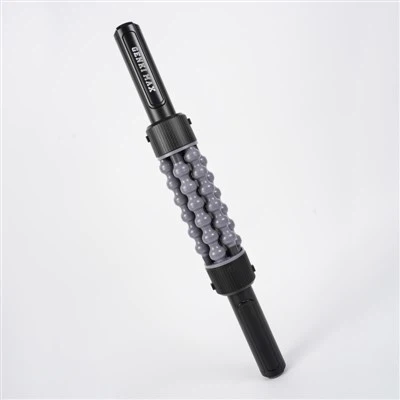
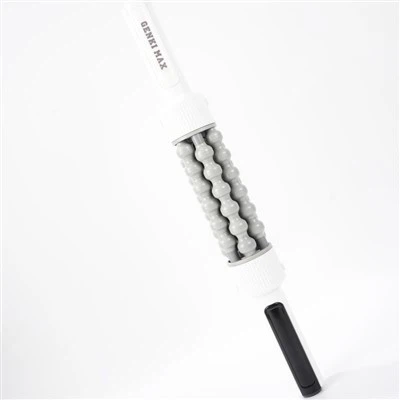
When it comes to fascia stretching foam rollers, two common types dominate the market: smooth and textured. As a seasoned supplier of fascia stretching foam rollers, I've had the privilege of witnessing firsthand the distinct advantages and applications of each type. In this blog post, I'll delve into the differences between smooth and textured fascia stretching foam rollers, providing valuable insights to help you make an informed decision for your fitness routine.
Surface Characteristics and Sensations
One of the most apparent differences between smooth and textured foam rollers lies in their surface characteristics. A smooth foam roller features a uniform, even surface that glides effortlessly over the skin. This seamless design minimizes friction, providing a gentle and continuous massage experience. As the roller moves across the body, it applies consistent pressure to the fascia, helping to release tension and improve blood circulation.
On the other hand, a textured foam roller has a surface adorned with bumps, ridges, or nodules. These irregularities create a more intense and targeted massage effect. When you use a textured foam roller, the raised elements stimulate specific areas of the fascia, providing a deeper level of pressure and triggering a more pronounced sensory response. This can be particularly beneficial for targeting tight knots and adhesions in the muscles.
Targeted Muscle Relief
The unique surface features of smooth and textured foam rollers also influence their effectiveness in targeting different muscle groups. Smooth foam rollers are ideal for large, flat muscle groups such as the back, thighs, and calves. Their gentle, continuous pressure helps to soothe and relax these muscles, reducing soreness and improving flexibility. For example, rolling out the back with a smooth foam roller can help alleviate tension caused by long hours of sitting at a desk or driving.
Textured foam rollers, however, excel at targeting smaller, more specific muscle areas. The bumps and ridges on the surface allow for precise pressure application, making them particularly useful for releasing tightness in the shoulders, hips, and feet. For instance, using a textured foam roller on the feet can help relieve plantar fasciitis and improve foot mobility.
Pain Threshold and Comfort
Another important factor to consider when choosing between a smooth and textured foam roller is your pain threshold and comfort level. Smooth foam rollers are generally more forgiving and suitable for beginners or individuals with a lower pain tolerance. The gentle pressure they provide allows you to gradually ease into the self-massage process without causing excessive discomfort.
Textured foam rollers, on the other hand, deliver a more intense massage experience. While this can be beneficial for deeply releasing tension, it may also be too intense for some individuals, especially those who are new to foam rolling or have sensitive muscles. If you have a low pain threshold, it's advisable to start with a smooth foam roller and gradually transition to a textured one as your body becomes more accustomed to the pressure.
Versatility and Adaptability
In terms of versatility, smooth foam rollers tend to be more adaptable to a wider range of exercises and techniques. Their uniform surface allows for smooth and fluid movements, making them suitable for various rolling, gliding, and stretching exercises. You can use a smooth foam roller for full-body massage, as well as specific exercises targeting individual muscle groups.
Textured foam rollers, while offering more targeted relief, may be more limited in their applications. The uneven surface can make certain movements more challenging or less comfortable, especially for individuals who are not familiar with using textured rollers. However, with practice and proper technique, you can still incorporate a textured foam roller into a variety of exercises to enhance the massage effect.
Complementary Products
In addition to traditional smooth and textured fascia stretching foam rollers, there are also some innovative electric muscle rollers available in the market. These electric rollers offer additional features such as vibration and adjustable intensity levels, providing a more dynamic and customizable massage experience. For example, the Fitness Electric Muscle Roller combines the benefits of a foam roller with the power of electric vibration, allowing you to target specific muscle groups with greater precision.
Another popular option is the Cellulite Blaster Roller, which is specifically designed to target cellulite and improve skin texture. This roller uses a combination of massage and vibration to break down fat cells and stimulate blood flow, resulting in smoother, firmer skin.
For those who prefer a more intense massage experience, the Vibration Electric Muscle Roller is a great choice. This roller features multiple vibration modes and adjustable intensity levels, allowing you to customize the massage according to your needs and preferences.
Conclusion
In conclusion, the choice between a smooth and textured fascia stretching foam roller depends on your individual needs, preferences, and fitness goals. Smooth foam rollers offer a gentle, continuous massage experience, making them suitable for beginners and individuals with a lower pain tolerance. They are also more versatile and adaptable to a wider range of exercises.
Textured foam rollers, on the other hand, provide a more intense and targeted massage effect, making them ideal for releasing tight knots and adhesions in the muscles. They are particularly effective for targeting smaller, specific muscle areas.
If you're looking for a more advanced and customizable massage experience, consider exploring the range of electric muscle rollers available. These innovative products offer additional features such as vibration and adjustable intensity levels, allowing you to take your foam rolling routine to the next level.
As a leading supplier of fascia stretching foam rollers, I'm committed to providing high-quality products that meet the diverse needs of our customers. Whether you're a professional athlete, a fitness enthusiast, or simply looking for a way to relieve muscle tension and improve your overall well-being, we have the perfect foam roller for you.


If you're interested in learning more about our products or would like to discuss your specific requirements, please don't hesitate to contact us. We look forward to the opportunity to work with you and help you achieve your fitness goals.
References
- Baechle, T. R., & Earle, R. W. (2008). Essentials of strength training and conditioning. Human Kinetics.
- Myers, T. W. (2009). Anatomy trains: Myofascial meridians for manual and movement therapists. Churchill Livingstone.
- Sharkey, B. J., & Gaskill, S. E. (2006). Fitness physiology: Theory and application to fitness and performance. Human Kinetics.