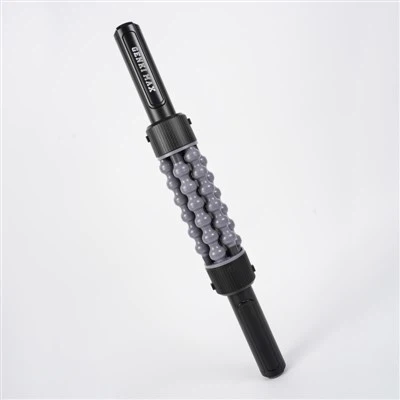
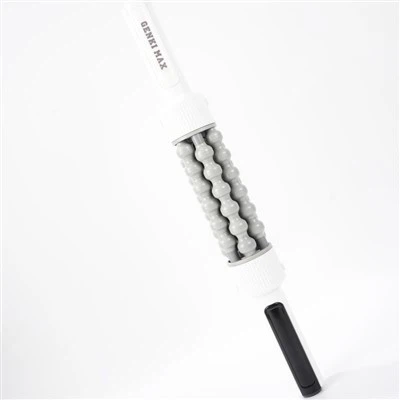
In the realm of fitness and physical therapy, the Plastic Muscle Roller has emerged as a valuable tool. As a supplier of this innovative product, I am excited to delve into what exactly a Plastic Muscle Roller is, its benefits, how it compares to other similar tools, and why it could be an essential addition to your fitness or rehabilitation routine.
What is a Plastic Muscle Roller?
A Plastic Muscle Roller is a cylindrical device made primarily from plastic materials. It typically features a smooth or textured surface and comes in various lengths, diameters, and hardness levels. The design is straightforward yet effective, allowing users to apply pressure to different parts of the body to massage and relax muscles. The plastic construction makes it lightweight, durable, and easy to clean, which are all desirable qualities for a fitness accessory.
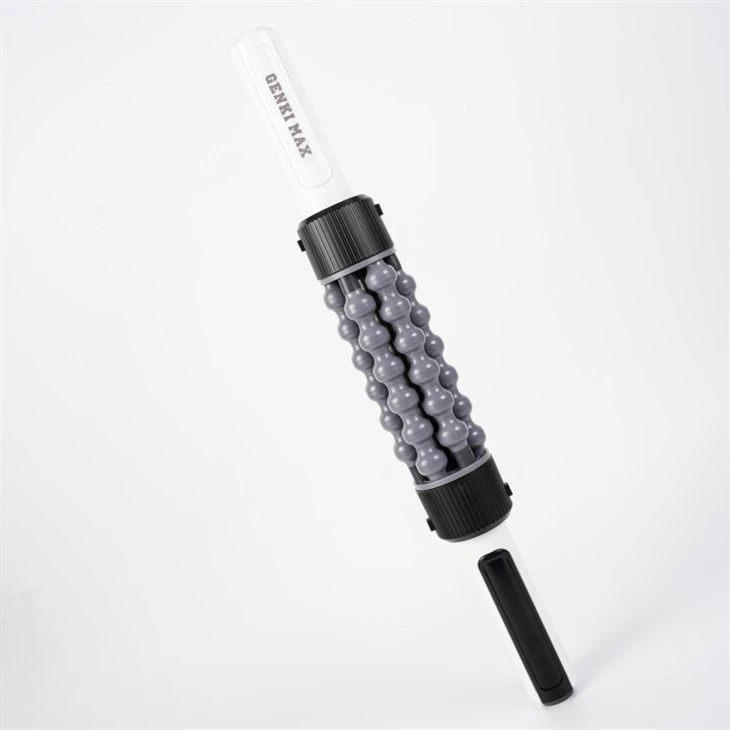

The concept behind the Plastic Muscle Roller is based on self-myofascial release (SMR). The fascia is a thin, connective tissue that surrounds muscles, bones, and organs. When we engage in physical activity, especially intense exercise, the fascia can become tight and restricted, leading to muscle soreness, reduced flexibility, and even pain. By using a Plastic Muscle Roller, we can break up adhesions in the fascia, increase blood flow to the muscles, and promote relaxation.
How Does a Plastic Muscle Roller Work?
When you roll the Plastic Muscle Roller over a muscle, the pressure applied helps to stretch and lengthen the muscle fibers. This stretching action stimulates the Golgi tendon organs, which are sensory receptors in the muscles that detect changes in tension. When these receptors are activated, they send signals to the central nervous system, which in turn causes the muscle to relax. This process is known as autogenic inhibition.
In addition to autogenic inhibition, the rolling action also helps to increase blood flow to the muscles. Improved blood circulation delivers oxygen and nutrients to the muscles, which aids in the recovery process and reduces inflammation. It also helps to flush out metabolic waste products, such as lactic acid, that can build up in the muscles during exercise and cause soreness.
Benefits of Using a Plastic Muscle Roller
- Muscle Recovery: One of the primary benefits of using a Plastic Muscle Roller is its ability to speed up muscle recovery after a workout. By breaking up adhesions in the fascia and increasing blood flow, the roller helps to reduce muscle soreness and stiffness, allowing you to recover more quickly and get back to your training routine.
- Improved Flexibility: Regular use of a Plastic Muscle Roller can help to improve flexibility by stretching and lengthening the muscles and fascia. This increased flexibility can enhance your range of motion, making it easier to perform exercises and daily activities.
- Pain Relief: The Plastic Muscle Roller can be an effective tool for relieving pain caused by muscle tightness, trigger points, and myofascial pain syndrome. By applying pressure to the affected areas, the roller can help to release tension and reduce pain.
- Enhanced Performance: By improving muscle recovery, flexibility, and pain relief, the Plastic Muscle Roller can also enhance athletic performance. When your muscles are relaxed and flexible, you are less likely to experience injuries and can perform at your best.
- Convenience: Plastic Muscle Rollers are portable and easy to use, making them a convenient addition to your fitness routine. You can use them at home, in the gym, or even while traveling.
Comparing Plastic Muscle Rollers to Other Similar Tools
There are several other tools available for self-myofascial release, such as foam rollers, massage balls, and Vibration Electric Muscle Roller. Each of these tools has its own advantages and disadvantages, and the choice of which one to use depends on your personal preferences and needs.
- Foam Rollers: Foam rollers are similar to Plastic Muscle Rollers in that they are used for self-myofascial release. However, foam rollers are typically made from foam, which is softer and more compressible than plastic. This makes foam rollers a good option for beginners or those with sensitive muscles.
- Massage Balls: Massage balls are small, spherical devices that can be used to target specific areas of the body. They are more portable than rollers and can be used to apply more targeted pressure to trigger points. However, they may not be as effective for massaging larger muscle groups.
- Vibration Electric Muscle Rollers: Vibration Electric Muscle Rollers combine the benefits of traditional muscle rollers with the added benefit of vibration. The vibration helps to further relax the muscles and increase blood flow. These rollers are more expensive than traditional Plastic Muscle Rollers but may be worth the investment for those who want a more advanced massage experience.
Different Types of Plastic Muscle Rollers
There are several different types of Plastic Muscle Rollers available on the market, each with its own unique features and benefits.
- Smooth Surface Rollers: Smooth surface Plastic Muscle Rollers are the most basic type of roller. They are ideal for beginners or those with sensitive muscles because they provide a gentle massage.
- Textured Surface Rollers: Textured surface Plastic Muscle Rollers have a raised or patterned surface that provides a more intense massage. These rollers are better suited for more experienced users or those with tight muscles.
- Dual Density Rollers: Dual density Plastic Muscle Rollers have a softer core and a harder outer layer. This design allows for a more customized massage, as you can adjust the pressure depending on the area of the body you are massaging.
- Multi-Speed Rollers: Some Plastic Muscle Rollers come with multiple speed settings, allowing you to adjust the intensity of the massage. These rollers are more versatile and can be used for different types of massage, from gentle relaxation to deep tissue work.
How to Use a Plastic Muscle Roller
Using a Plastic Muscle Roller is relatively simple, but it is important to use it correctly to avoid injury. Here are some general guidelines on how to use a Plastic Muscle Roller:
- Warm Up First: Before using a Plastic Muscle Roller, it is important to warm up your muscles with some light exercise, such as jogging or jumping jacks. This will help to increase blood flow to the muscles and reduce the risk of injury.
- Start Slowly: Begin by using the roller on a small area of the body, such as the calf or thigh. Apply gentle pressure and roll slowly back and forth for 30 to 60 seconds.
- Breathe Deeply: As you roll the roller over your muscles, breathe deeply and relax. This will help to enhance the relaxation effect of the massage.
- Listen to Your Body: Pay attention to how your body feels as you use the roller. If you experience any pain or discomfort, stop using the roller immediately.
- Roll Different Areas of the Body: To get the most benefit from the Plastic Muscle Roller, roll different areas of the body, including the back, shoulders, chest, and legs.
- Cool Down After Use: After using the Plastic Muscle Roller, it is important to cool down your muscles with some stretching exercises. This will help to further increase flexibility and reduce muscle soreness.
Who Can Benefit from Using a Plastic Muscle Roller?
A Plastic Muscle Roller can benefit a wide range of people, including:
- Athletes: Athletes of all levels can benefit from using a Plastic Muscle Roller to improve muscle recovery, flexibility, and performance.
- Fitness Enthusiasts: Fitness enthusiasts who engage in regular exercise can use a Plastic Muscle Roller to reduce muscle soreness and stiffness and enhance their overall fitness.
- People with Sedentary Lifestyles: People who spend a lot of time sitting at a desk or in front of a computer can use a Plastic Muscle Roller to relieve muscle tension and improve blood circulation.
- Individuals Recovering from Injury: Individuals who are recovering from an injury can use a Plastic Muscle Roller to aid in the rehabilitation process by promoting blood flow and reducing pain and inflammation.
- People with Chronic Pain: People with chronic pain conditions, such as fibromyalgia or myofascial pain syndrome, can use a Plastic Muscle Roller to relieve pain and improve mobility.
Why Choose Our Plastic Muscle Rollers?
As a supplier of Plastic Muscle Rollers, we take pride in offering high-quality products that are designed to meet the needs of our customers. Here are some reasons why you should choose our Plastic Muscle Rollers:
- Quality Materials: Our Plastic Muscle Rollers are made from high-quality plastic materials that are durable and long-lasting.
- Ergonomic Design: Our rollers are designed with an ergonomic shape that makes them easy to hold and use.
- Variety of Options: We offer a variety of Plastic Muscle Rollers, including smooth surface, textured surface, dual density, and multi-speed rollers, to meet the different needs and preferences of our customers.
- Affordable Pricing: We believe that everyone should have access to high-quality fitness products, which is why we offer our Plastic Muscle Rollers at affordable prices.
- Excellent Customer Service: We are committed to providing excellent customer service. If you have any questions or concerns about our products, our friendly and knowledgeable customer service team is here to help.
Contact Us for Procurement
If you are interested in purchasing our Plastic Muscle Rollers or have any questions about our products, please feel free to contact us. We are always happy to discuss your needs and provide you with a quote. Whether you are a fitness studio, a physical therapy clinic, or an individual looking for a high-quality muscle roller, we can help you find the right product for your needs.
References
- Clark, M. A., Lucett, S. C., & Corn, R. (2014). NASM essentials of corrective exercise training. Lippincott Williams & Wilkins.
- Knothe Tate, M. L., Sacks, M. S., & Bentley, J. L. (2004). Biomechanics of fascia. Journal of bodywork and movement therapies, 8(3), 199-210.
- Schleip, R., & Klingler, W. (2009). Fascial plasticity - a new neurobiological explanation. Medical hypotheses, 73(6), 911-915.