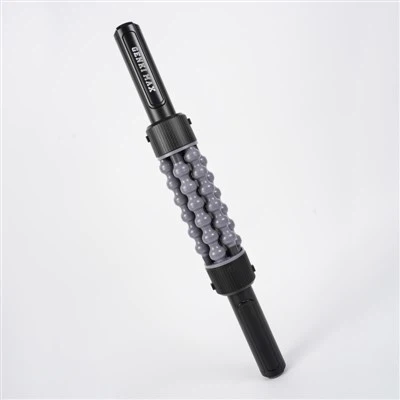
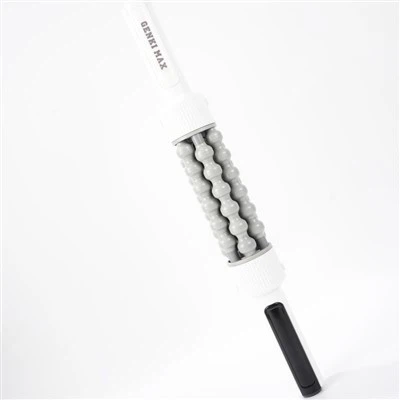
Foam rolling and self - myofascial release with a foam roller are two terms that are often used interchangeably in the fitness and rehabilitation communities. However, they are not exactly the same thing. As a supplier of foam roller fascia products, I'd like to dive deep into the differences between these two concepts to help you make the most out of your recovery and training routines.
Understanding Foam Rolling
Foam rolling is a form of self - massage that involves using a foam roller to apply pressure to different parts of the body. It is a simple yet effective way to relieve muscle tension, improve flexibility, and enhance blood circulation. The process typically involves slowly rolling the foam roller back and forth over a targeted muscle group. For example, if you are targeting your quadriceps, you would place the foam roller under your thigh and roll from the hip to the knee.
One of the main benefits of foam rolling is its ability to reduce muscle soreness. After an intense workout, muscles can become tight and tender. Foam rolling helps to break up adhesions and knots in the muscles, which can alleviate pain and discomfort. It also helps to increase the range of motion in the joints. By applying pressure to the muscles, foam rolling can stretch and lengthen them, allowing for greater flexibility during physical activities.
Moreover, foam rolling is a convenient and cost - effective way to perform self - care. You can do it at home, in the gym, or even at the office. All you need is a foam roller, which comes in various sizes, densities, and textures. For instance, a softer foam roller is suitable for beginners or those with sensitive muscles, while a firmer one can provide a more intense massage for experienced users.
Self - Myofascial Release with a Foam Roller
Self - myofascial release (SMR) with a foam roller is a more targeted and specific approach than traditional foam rolling. The fascia is a thin, connective tissue that surrounds muscles, bones, and organs. When the fascia becomes tight or restricted, it can lead to pain, reduced mobility, and even injury. SMR aims to release these restrictions in the fascia by applying sustained pressure to specific trigger points.
The process of SMR with a foam roller involves identifying the trigger points in the body. These are areas of the fascia that are particularly tight or knotted. Once you have located a trigger point, you place the foam roller on it and apply pressure for 30 seconds to 2 minutes. The goal is to relax the fascia and allow it to return to its normal state.
SMR is based on the principle of autogenic inhibition. When pressure is applied to a trigger point, the muscle spindle in the muscle senses the increased tension. In response, the nervous system sends a signal to the muscle to relax. This relaxation allows the fascia to loosen up, improving blood flow and reducing pain.
Key Differences
1. Focus
The primary difference between foam rolling and SMR with a foam roller lies in their focus. Foam rolling is more of a general muscle - relaxing technique. It provides a broad massage to the entire muscle group, helping to reduce overall muscle tension and increase flexibility. On the other hand, SMR with a foam roller is highly focused on the fascia. It targets specific trigger points in the fascia to release restrictions and improve the function of the connective tissue.
2. Technique
The techniques used in foam rolling and SMR also differ. In foam rolling, you typically roll the foam roller back and forth over the muscle group in a continuous motion. The pressure is relatively uniform throughout the process. In SMR, however, you stop at specific trigger points and apply sustained pressure. The emphasis is on holding the pressure at the trigger point until the fascia relaxes.
3. Intensity
SMR with a foam roller is generally more intense than regular foam rolling. Since it targets specific trigger points, the pressure applied can be quite strong. This intensity is necessary to break up the adhesions in the fascia. Foam rolling, while still effective, is a more gentle and widespread approach, making it suitable for a wider range of users, including those with lower pain tolerance.
How to Choose the Right Method for You
If you are new to using a foam roller or have relatively mild muscle tension, foam rolling is a great place to start. It is easy to learn and can provide immediate relief from muscle soreness. You can use it as part of your warm - up or cool - down routine to improve your overall physical performance.
On the other hand, if you have chronic pain, limited mobility, or know that you have specific trigger points in your body, SMR with a foam roller may be more appropriate. However, it is important to approach SMR with caution, especially if you are not familiar with the technique. You may want to consult a physical therapist or a fitness professional to learn how to identify trigger points correctly and apply the right amount of pressure.
Our Foam Roller Products
As a foam roller fascia supplier, we offer a wide range of high - quality foam rollers to meet your needs. Whether you are looking for a basic foam roller for general foam rolling or a specialized one for SMR, we have you covered.
Our Vibration Electric Muscle Roller is a great option for those who want an enhanced massage experience. The vibration feature can help to further relax the muscles and fascia, providing a more effective recovery.
For those on a budget or looking for a simple solution, our Plastic Muscle Roller is a durable and cost - effective choice. It is lightweight and easy to carry around, making it perfect for on - the - go use.
If you are a tech - savvy fitness enthusiast, our Smart Electric Muscle Roller is the way to go. It comes with advanced features such as adjustable speed and intensity, allowing you to customize your massage experience according to your needs.
Conclusion
In conclusion, while foam rolling and self - myofascial release with a foam roller are related, they have distinct differences. Foam rolling is a general muscle - relaxing technique, while SMR with a foam roller is a more targeted approach to releasing restrictions in the fascia. Understanding these differences can help you choose the right method for your specific needs.


If you are interested in purchasing our foam roller products or have any questions about foam rolling and SMR, we encourage you to contact us for a procurement discussion. We are committed to providing you with the best products and services to support your fitness and recovery goals.
References
- Clark, M. A., Lucett, S. C., & Corn, R. (2014). NASM essentials of corrective exercise training. Lippincott Williams & Wilkins.
- Kolt, G. S., & Hinman, R. S. (2013). Effects of a single session of self - myofascial release on hamstring range of motion, flexibility, and strength. Journal of Strength and Conditioning Research, 27(11), 3100 - 3106.
- Sharkey, B. J., & Gaskill, S. E. (2015). Physiology of sport and exercise. Human Kinetics.