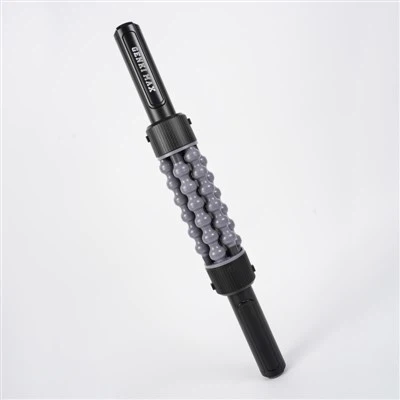
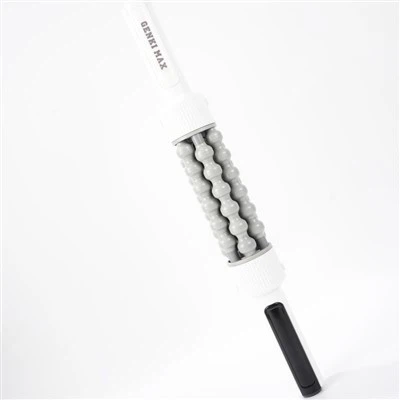
What is the power consumption of a running electric fascia roller?
In the dynamic world of fitness and recovery, running electric fascia rollers have emerged as indispensable tools for athletes, fitness enthusiasts, and individuals seeking effective muscle relaxation. As a leading supplier of these innovative devices, I often encounter questions regarding their power consumption. Understanding the power consumption of a running electric fascia roller is crucial for users who want to manage their energy usage efficiently and for those who are environmentally conscious. In this blog post, I will delve into the factors influencing power consumption, typical power usage values, and how this impacts the overall user experience.
Factors Influencing Power Consumption
The power consumption of a running electric fascia roller is not a fixed value; it is influenced by several key factors. Let's explore these factors in detail.
Motor Efficiency
The motor is the heart of an electric fascia roller, and its efficiency plays a significant role in power consumption. High - efficiency motors convert a larger proportion of electrical energy into mechanical energy, resulting in less wasted energy as heat. Modern running electric fascia rollers are often equipped with brushless DC motors, which are known for their high efficiency and long lifespan. These motors can operate with less power input compared to traditional brushed motors, reducing overall power consumption.
Vibration Intensity and Speed Settings
Most running electric fascia rollers come with multiple vibration intensity and speed settings. Higher intensity and speed settings require more power to operate. For example, when a user selects the maximum vibration intensity and speed, the motor has to work harder to generate the required force, leading to increased power consumption. On the other hand, using lower settings can significantly reduce the amount of electricity used.
Roller Design and Resistance
The design of the roller and the resistance it encounters during use also affect power consumption. A roller with a smooth surface and well - designed bearings will encounter less friction, requiring less power to rotate. Additionally, if the roller is used on a soft surface or with proper lubrication, the resistance is reduced, and the motor can operate more efficiently. In contrast, using the roller on a rough surface or with excessive pressure can increase the load on the motor, leading to higher power consumption.
Typical Power Consumption Values
The power consumption of running electric fascia rollers can vary widely depending on the model and its features. On average, a basic running electric fascia roller may consume between 5 to 10 watts of power during normal operation. These models usually have a single or a few vibration settings and are designed for general muscle relaxation.


More advanced models, such as the Portable Electric Muscle Roller, which offer multiple speed and intensity levels, may consume between 10 to 20 watts. These rollers are often equipped with more powerful motors to provide a wider range of massage experiences.
The Smart Electric Muscle Roller, which may come with additional features like Bluetooth connectivity, app control, and built - in sensors, can consume up to 30 watts. The extra power is used to support these advanced functions, allowing users to customize their massage experience more precisely.
Impact on User Experience
Understanding the power consumption of a running electric fascia roller can have a significant impact on the user experience. For users who are constantly on the go, such as athletes traveling for competitions or fitness enthusiasts who work out at different locations, a roller with lower power consumption is more desirable. It can be used for longer periods without the need for frequent recharging, providing continuous muscle relief.
On the other hand, users who prioritize a more intense and customizable massage experience may not mind the higher power consumption associated with advanced models. These rollers offer a wider range of features and settings, allowing users to target specific muscle groups more effectively.
Energy - Saving Tips
As a supplier, I always encourage users to adopt energy - saving practices when using running electric fascia rollers. Here are some tips:
- Choose the Right Setting: Select the appropriate vibration intensity and speed setting based on your needs. Using lower settings can significantly reduce power consumption without sacrificing the effectiveness of the massage.
- Maintain the Roller: Keep the roller clean and well - lubricated to reduce friction and resistance. Regular maintenance can ensure that the motor operates efficiently, consuming less power.
- Unplug When Not in Use: Even when the roller is not turned on, it may still consume a small amount of standby power if it is plugged into an outlet. Unplugging the device when not in use can help save energy.
Comparison with Other Muscle Rollers
When comparing running electric fascia rollers with other types of muscle rollers, such as the Plastic Muscle Roller, the power consumption factor becomes more apparent. Plastic muscle rollers are manual devices that do not require any electricity to operate. While they are a cost - effective and environmentally friendly option, they lack the convenience and versatility of electric fascia rollers. Electric rollers can provide consistent vibration and pressure, which may be more effective for deep muscle relaxation.
Conclusion
In conclusion, the power consumption of a running electric fascia roller is influenced by various factors, including motor efficiency, vibration intensity and speed settings, and roller design. Typical power consumption values range from 5 to 30 watts, depending on the model and its features. Understanding these factors can help users make informed decisions when choosing a running electric fascia roller and adopt energy - saving practices to reduce their environmental impact.
As a supplier, I am committed to providing high - quality running electric fascia rollers that offer a balance between performance and energy efficiency. If you are interested in learning more about our products or are considering a purchase for your fitness facility, rehabilitation center, or personal use, I invite you to contact us for further discussion. We can provide detailed product information, pricing, and answer any questions you may have. Let's work together to enhance your muscle recovery experience with our innovative running electric fascia rollers.
References
- "Motor Efficiency in Electric Devices" - Journal of Electrical Engineering
- "The Impact of Vibration on Muscle Recovery" - Sports Science Review
- "Energy - Saving Tips for Electronic Devices" - Consumer Energy Magazine