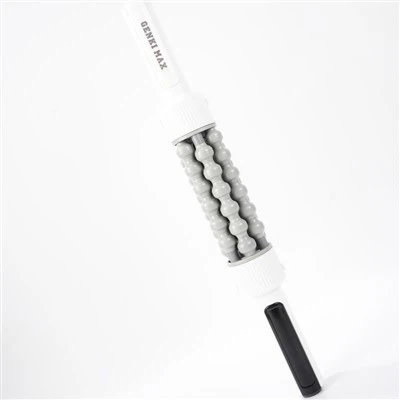
In recent years, gymnastics fascia rollers (Fascia Roll) have gradually attracted attention in the field of sports rehabilitation and physical training. This seemingly simple tool has become an important auxiliary device for athletes, fitness enthusiasts and physical therapists with its scientific mechanical principles and wide applicability.
The core function of the fascia roller is to help relax muscles and fascia tissues through self-massage (Self-Myofascial Release, SMR) technology. Fascia is the connective tissue covering the outer layer of muscles. Long-term exercise or bad posture may cause fascia adhesion, causing muscle stiffness, pain and even sports injuries. The fascia roller promotes blood circulation, relieves muscle tension, and improves joint mobility by applying controlled pressure, thereby accelerating recovery and preventing sports injuries.
In gymnastics, the application of fascia rollers is particularly prominent. Gymnasts need extremely high flexibility and core strength, and fascia rollers can help them relax the muscle groups around the spine, hips and back of the thighs in a targeted manner. For example, using a fascia roller to relax the iliopsoas muscle can effectively improve hip joint flexibility and enhance movement performance. In addition, fascia rollers can also be used for post-match recovery, helping athletes quickly relieve muscle soreness and shorten the recovery cycle.
In addition to professional athletes, fascia rollers are also widely used in mass fitness and rehabilitation. Many gyms and physical therapy centers incorporate them into their regular training plans to improve posture, relieve back pain caused by long-term sitting, and even assist in chronic pain management. Studies have shown that regular use of fascia rollers combined with stretching training can significantly improve muscle flexibility and exercise efficiency.
With the improvement of health awareness, the market demand for fascia rollers continues to grow. From basic foam rollers to high-density massage rollers, the product variety is constantly enriched to meet the personalized needs of different users. In the future, with the development of sports science, fascia rollers are expected to demonstrate their value in more fields and become an indispensable tool for sports rehabilitation and physical training.
Whether it is professional athletes or ordinary fitness enthusiasts, fascia rollers provide a simple and efficient way to optimize physical condition. Its popularity not only reflects the modern people's emphasis on health management, but also reflects the progress of sports science and technology.