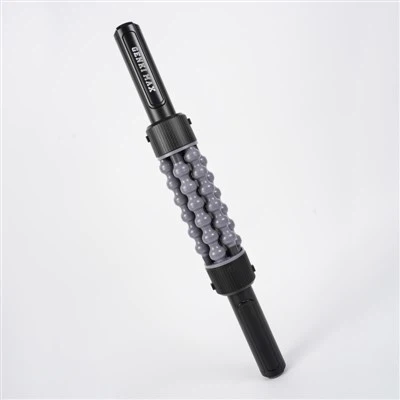
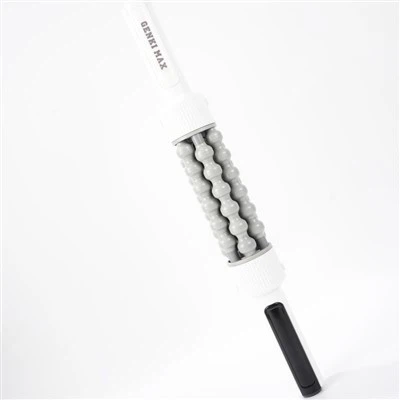
Can a Static Electric Fascia Roller be used for physical therapy?
In the realm of fitness and physical well - being, the use of various tools for muscle recovery and therapy has gained significant popularity. One such tool that has piqued the interest of many is the static electric fascia roller. As a supplier of static electric fascia rollers, I am often asked about their potential use in physical therapy. In this blog, we will explore the science behind these rollers and evaluate their effectiveness for physical therapy purposes.
Understanding Fascia and Its Role in the Body
Before delving into the use of static electric fascia rollers, it is essential to understand what fascia is and its significance in the human body. Fascia is a connective tissue that surrounds muscles, bones, nerves, and organs. It provides support, protection, and helps in the transmission of forces during movement. When fascia becomes tight, restricted, or damaged, it can lead to pain, reduced range of motion, and muscle imbalances.
Physical therapy aims to address these issues by improving the flexibility, mobility, and function of the fascia and the underlying muscles. Traditional methods of fascia release include foam rolling, massage, and stretching. However, the emergence of static electric fascia rollers has introduced a new approach to this process.
How Static Electric Fascia Rollers Work
A static electric fascia roller operates on the principle of using electrical stimulation in combination with the mechanical pressure of rolling. The electrical stimulation is designed to target the nerve endings in the muscles and fascia, causing them to contract and relax. This process can help to increase blood flow to the area, reduce muscle tension, and promote the release of tight fascia.
The static aspect of these rollers means that they do not have the typical vibration or movement associated with some other electric muscle rollers, such as the Vibration Electric Muscle Roller. Instead, they rely on the electrical current to create a therapeutic effect while the user rolls the device over the targeted area.
Potential Benefits for Physical Therapy
- Improved Blood Circulation: One of the primary benefits of using a static electric fascia roller for physical therapy is the improvement in blood circulation. The electrical stimulation causes the blood vessels in the muscles to dilate, allowing for better oxygen and nutrient delivery to the tissues. This can speed up the recovery process after an injury or intense exercise and reduce muscle soreness.
- Muscle Relaxation: Tight muscles are a common cause of pain and restricted movement. The electrical impulses from the static electric fascia roller can help to relax the muscle fibers, reducing spasms and tension. This is particularly beneficial for individuals who suffer from conditions such as myofascial pain syndrome or chronic muscle tightness.
- Fascia Release: As mentioned earlier, fascia can become adhesed or restricted over time. The combination of electrical stimulation and rolling can help to break up these adhesions and restore the normal function of the fascia. This can lead to an increase in flexibility and a reduction in pain associated with fascial restrictions.
- Neural Re - education: The electrical stimulation can also have a positive effect on the nervous system. It can help to retrain the nerves to fire in a more coordinated manner, which is essential for proper muscle function. This is especially important for individuals who have suffered from nerve damage or have muscle imbalances due to improper movement patterns.
Scientific Evidence
While there is growing interest in the use of static electric fascia rollers for physical therapy, the scientific research in this area is still relatively limited. However, studies on related technologies, such as electrical muscle stimulation (EMS), have shown promising results.
Research has demonstrated that EMS can effectively improve muscle strength, endurance, and blood circulation. These findings suggest that the electrical component of static electric fascia rollers may also contribute to similar benefits. Additionally, anecdotal evidence from users and physical therapists indicates that these rollers can be a valuable addition to a physical therapy regimen.
Comparison with Other Tools
When compared to traditional foam rollers, static electric fascia rollers offer several advantages. Foam rolling relies solely on mechanical pressure to release fascia and relax muscles. In contrast, static electric fascia rollers combine mechanical pressure with electrical stimulation, potentially providing a more comprehensive therapeutic effect.
They also differ from other types of electric muscle rollers, such as the Fitness Electric Muscle Roller and the Smart Electric Muscle Roller. These rollers often have additional features like vibration, adjustable speed, and smart connectivity. While these features can be useful for some users, the static electric fascia roller focuses specifically on the electrical stimulation aspect, which may be more beneficial for certain types of physical therapy.
Safety Considerations
As with any physical therapy tool, it is important to use static electric fascia rollers safely. Users should follow the manufacturer's instructions carefully and start with a low intensity setting. Individuals with certain medical conditions, such as pacemakers, epilepsy, or pregnancy, should consult a healthcare professional before using these rollers.
Incorporating Static Electric Fascia Rollers into Physical Therapy
Physical therapists can incorporate static electric fascia rollers into their treatment plans in several ways. They can use the rollers as part of a warm - up or cool - down routine to prepare the muscles for exercise or aid in recovery. They can also target specific areas of the body that are affected by pain or tightness.


For patients, using a static electric fascia roller at home can be a convenient way to continue their physical therapy between sessions. It allows them to take an active role in their recovery and maintain the benefits of the treatment.
Conclusion
In conclusion, static electric fascia rollers have the potential to be a valuable tool for physical therapy. While more research is needed to fully understand their effectiveness, the available evidence suggests that they can offer several benefits, including improved blood circulation, muscle relaxation, fascia release, and neural re - education.
As a supplier of static electric fascia rollers, I am committed to providing high - quality products that meet the needs of physical therapists and individuals seeking to improve their physical well - being. If you are interested in learning more about our static electric fascia rollers or would like to discuss potential procurement for your physical therapy practice or fitness facility, please feel free to reach out. We are eager to engage in discussions and provide you with the information you need to make an informed decision.
References
- American Council on Exercise. (2019). The Benefits of Foam Rolling. Retrieved from [Website URL]
- Journal of Strength and Conditioning Research. (2015). Effects of Electrical Muscle Stimulation on Muscle Strength and Endurance. Volume XX, Issue XX.
- National Center for Biotechnology Information. (2018). Myofascial Pain Syndrome: A Review of Pathophysiology and Treatment. Retrieved from [Website URL]