Do I need any special skills to use a Static Electric Fascia Roller?
In the realm of fitness and recovery, static electric fascia rollers have emerged as a popular tool for individuals looking to enhance their muscle health and overall well - being. As a supplier of these innovative products, I often get asked whether one needs any special skills to use a static electric fascia roller. In this blog post, I'll delve into this question, explore the features of our products, and provide some useful tips for getting the most out of your static electric fascia roller.


Understanding the Basics of a Static Electric Fascia Roller
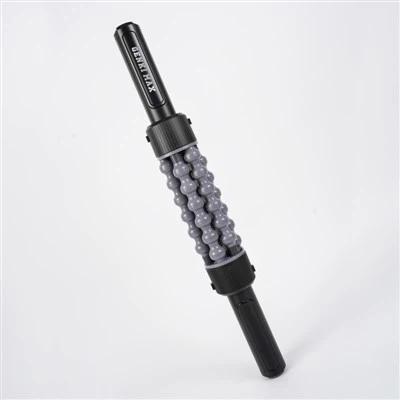
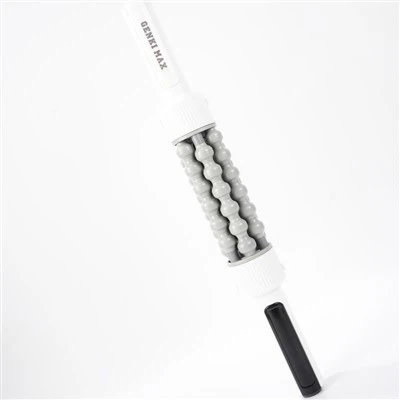
Before we discuss the skills required, let's first understand what a static electric fascia roller is. A static electric fascia roller is a device designed to apply pressure to the fascia, a connective tissue that surrounds muscles, bones, and organs. The electric aspect of the roller often adds additional functionality, such as vibration or heat, which can further enhance the effects of self - myofascial release.
Our company offers a range of static electric fascia rollers, including the Cellulite Blaster Roller, Vibration Electric Muscle Roller, and Portable Electric Muscle Roller. Each of these products is engineered to provide targeted relief and support for different muscle groups and fitness needs.
Do You Need Special Skills?
The good news is that you don't need any special skills to use a static electric fascia roller. These devices are designed to be user - friendly, making them accessible to people of all fitness levels. However, having a basic understanding of how the roller works and some general guidelines can help you use it more effectively.
1. Familiarize Yourself with the Device
When you first receive your static electric fascia roller, take some time to read the user manual. The manual will provide important information about the device's features, functions, and safety precautions. It will also explain how to turn the roller on and off, adjust the settings (such as vibration intensity or heat level), and clean the device properly.
2. Identify the Target Muscle Groups
One of the key aspects of using a static electric fascia roller is knowing which muscle groups to target. Different muscles may require different techniques and pressure levels. For example, larger muscle groups like the quadriceps, hamstrings, and calves can generally tolerate more pressure, while smaller muscles like the shoulders and forearms may need a gentler touch.
You can start by focusing on the areas that are most tight or sore. If you're an athlete, you may want to target the muscles that are most used during your sport. For example, runners may benefit from using the roller on their calves, hamstrings, and quadriceps, while weightlifters may focus on their shoulders, biceps, and triceps.
3. Use Proper Technique
While you don't need to be a professional to use a static electric fascia roller, using proper technique can enhance the effectiveness of the treatment. Here are some general tips:
- Start Slowly: Begin with a low intensity setting and gradually increase the pressure as your muscles become more accustomed to the roller. This can help prevent over - stimulation and reduce the risk of injury.
- Roll Slowly and Smoothly: Move the roller along the length of the muscle in a slow and controlled manner. Avoid jerky or rapid movements, as this can cause discomfort or damage to the muscles.
- Apply Even Pressure: Try to apply even pressure across the entire surface of the roller. This ensures that all parts of the muscle are being targeted evenly.
- Hold on Tight Spots: If you encounter a tight spot or knot in the muscle, hold the roller in place for a few seconds to allow the pressure to work on the area. This can help release the tension and improve blood flow.
Benefits of Using a Static Electric Fascia Roller
Even without special skills, using a static electric fascia roller can offer numerous benefits. Here are some of the key advantages:
- Muscle Recovery: The roller helps to break up adhesions in the fascia, which can improve blood flow and oxygen delivery to the muscles. This promotes faster recovery after exercise and reduces muscle soreness.
- Flexibility and Range of Motion: By releasing tension in the fascia, the roller can help improve flexibility and increase the range of motion in the joints. This can enhance athletic performance and reduce the risk of injury.
- Cellulite Reduction: Some of our rollers, such as the Cellulite Blaster Roller, are specifically designed to target cellulite. The vibration and pressure from the roller can help break down fat deposits and improve the appearance of the skin.
- Stress Relief: Using a static electric fascia roller can also have a relaxing effect on the body. The gentle pressure and vibration can help reduce stress and promote a sense of well - being.
Tips for Beginners
If you're new to using a static electric fascia roller, here are some additional tips to help you get started:
- Start with Short Sessions: Begin with short sessions of 5 - 10 minutes per muscle group. As your muscles adapt, you can gradually increase the duration of your sessions.
- Combine with Stretching: Using the roller in combination with stretching exercises can enhance the benefits. Stretch the targeted muscle group before and after using the roller to improve flexibility and range of motion.
- Listen to Your Body: Pay attention to how your body feels during and after using the roller. If you experience any pain or discomfort, stop using the roller immediately and consult a healthcare professional.
Conclusion
In conclusion, you don't need any special skills to use a static electric fascia roller. These devices are designed to be user - friendly and accessible to everyone. By familiarizing yourself with the device, identifying the target muscle groups, and using proper technique, you can effectively use a static electric fascia roller to improve muscle health, enhance recovery, and reduce stress.
If you're interested in purchasing a static electric fascia roller or have any questions about our products, we encourage you to reach out to us for a procurement discussion. Our team of experts is ready to assist you in finding the right product for your needs.
References
- Foam Rolling: A Systematic Review of the Literature. Journal of Strength and Conditioning Research.
- The Effects of Myofascial Release on Range of Motion and Flexibility in Healthy Adults. International Journal of Sports Physical Therapy.