


Plantar fibromatosis, also known as Ledderhose disease, is a relatively rare condition characterized by the growth of fibrous nodules in the plantar fascia, the thick band of tissue that runs across the bottom of the foot. These nodules can cause pain, discomfort, and limited mobility, significantly impacting the quality of life for those affected. As a supplier of foam roller fascia products, I often receive inquiries about whether foam rolling the fascia can help with plantar fibromatosis. In this blog post, I will explore the potential benefits of foam rolling in managing this condition based on scientific evidence and practical experience.
Understanding Plantar Fibromatosis
Before delving into the potential benefits of foam rolling, it's essential to understand the nature of plantar fibromatosis. The exact cause of this condition remains unknown, but it is believed to be related to genetic factors, trauma, and certain medical conditions such as diabetes and epilepsy. The fibrous nodules that develop in the plantar fascia can vary in size and number, and they tend to grow slowly over time. Symptoms may include pain, tenderness, swelling, and a palpable lump on the bottom of the foot. In severe cases, the nodules can cause the foot to deform, making it difficult to walk or stand for extended periods.
How Foam Rolling Works
Foam rolling is a form of self-myofascial release, a technique that involves applying pressure to the muscles and fascia to alleviate pain, improve flexibility, and enhance muscle function. The fascia is a thin, connective tissue that surrounds and supports the muscles, bones, and organs in the body. When the fascia becomes tight or restricted, it can lead to pain, inflammation, and reduced range of motion. Foam rolling works by breaking up adhesions and knots in the fascia, allowing it to move more freely and reducing tension in the muscles.
Potential Benefits of Foam Rolling for Plantar Fibromatosis
While there is limited scientific research specifically on the use of foam rolling for plantar fibromatosis, there are several potential benefits based on the principles of myofascial release and the known effects of foam rolling on other musculoskeletal conditions.
Pain Relief
One of the primary benefits of foam rolling is pain relief. By applying pressure to the affected area, foam rolling can help to reduce inflammation and stimulate the release of endorphins, the body's natural painkillers. This can provide temporary relief from the pain associated with plantar fibromatosis and make it more comfortable to walk and stand.
Improved Flexibility
Plantar fibromatosis can cause the plantar fascia to become tight and restricted, leading to reduced flexibility in the foot. Foam rolling can help to stretch and loosen the fascia, improving its elasticity and range of motion. This can make it easier to perform activities that require flexibility, such as walking, running, and bending the foot.
Enhanced Blood Circulation
Foam rolling can also improve blood circulation in the affected area. By applying pressure to the muscles and fascia, foam rolling can help to increase blood flow to the tissues, delivering oxygen and nutrients that are essential for healing and repair. This can help to reduce inflammation and promote the regeneration of damaged tissue.
Muscle Relaxation
Tight muscles can contribute to the development and progression of plantar fibromatosis. Foam rolling can help to relax the muscles in the foot and lower leg, reducing tension and stress on the plantar fascia. This can help to prevent the formation of new nodules and slow down the progression of the condition.
How to Foam Roll for Plantar Fibromatosis
If you are considering using foam rolling to manage plantar fibromatosis, it's important to do it correctly to avoid causing further damage or irritation to the affected area. Here are some tips on how to foam roll for plantar fibromatosis:
Choose the Right Foam Roller
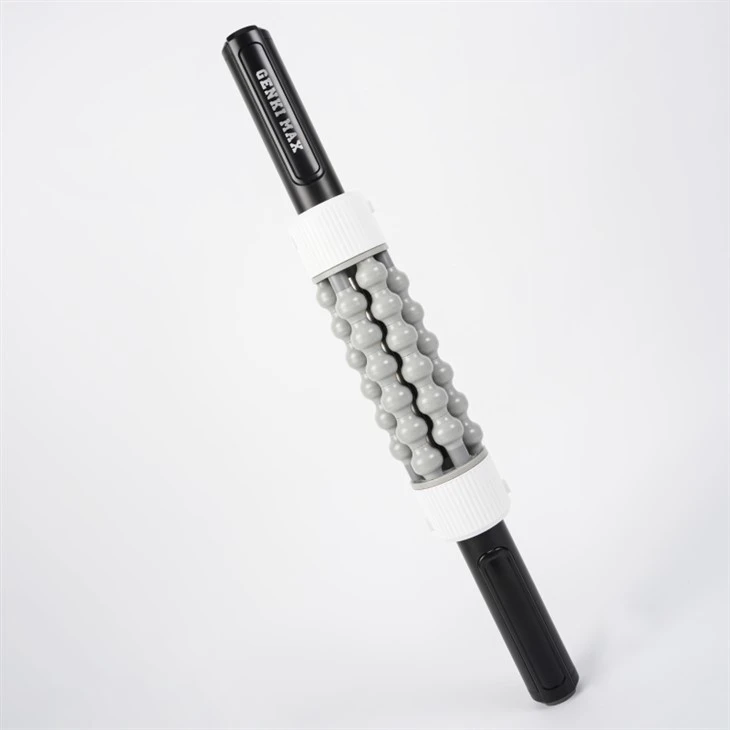
There are several types of foam rollers available on the market, ranging from soft to firm. For plantar fibromatosis, it's best to choose a medium-firm foam roller that provides enough pressure to release the tension in the fascia without causing too much pain. You can also consider using a Vibration Electric Muscle Roller or a Smart Electric Muscle Roller for added benefits.
Warm Up First
Before foam rolling, it's important to warm up the muscles and fascia in the foot and lower leg. You can do this by performing some light exercises, such as walking, jogging, or stretching. This will help to increase blood flow to the tissues and make them more receptive to the foam rolling.
Apply Pressure Gradually
When foam rolling, it's important to apply pressure gradually and slowly. Start with a light pressure and gradually increase it as your body gets used to the sensation. Avoid applying too much pressure too quickly, as this can cause pain and damage to the tissues.
Roll in Different Directions
To ensure that you are targeting all areas of the plantar fascia, it's important to roll in different directions. Roll from the heel to the ball of the foot, from side to side, and in a circular motion. This will help to break up adhesions and knots in the fascia and improve its flexibility.
Roll for the Right Amount of Time
It's recommended to foam roll for 1-2 minutes on each foot, 2-3 times per day. However, you may need to adjust the duration and frequency of foam rolling based on your individual needs and the severity of your condition. If you experience any pain or discomfort during foam rolling, stop immediately and consult a healthcare professional.
Other Treatment Options for Plantar Fibromatosis
While foam rolling can be a helpful complementary treatment for plantar fibromatosis, it's important to note that it is not a cure. There are several other treatment options available for this condition, including:
Physical Therapy
Physical therapy can be an effective treatment for plantar fibromatosis. A physical therapist can teach you specific exercises and stretches to help improve the flexibility and strength of the foot and lower leg muscles. They can also use techniques such as massage, ultrasound, and electrical stimulation to reduce pain and inflammation.
Orthotics
Orthotics are custom-made shoe inserts that can help to support the foot and reduce pressure on the plantar fascia. They can be particularly helpful for people with plantar fibromatosis who have flat feet or other foot deformities.

Medications
In some cases, medications may be prescribed to help manage the pain and inflammation associated with plantar fibromatosis. Nonsteroidal anti-inflammatory drugs (NSAIDs) such as ibuprofen and naproxen can be effective in reducing pain and swelling. Corticosteroid injections may also be used to reduce inflammation and shrink the nodules.
Surgery
In severe cases of plantar fibromatosis, surgery may be necessary to remove the nodules. However, surgery is usually considered a last resort, as it can be associated with complications such as infection, nerve damage, and recurrence of the nodules.
Conclusion
In conclusion, while there is limited scientific research on the use of foam rolling for plantar fibromatosis, there are several potential benefits based on the principles of myofascial release and the known effects of foam rolling on other musculoskeletal conditions. Foam rolling can help to relieve pain, improve flexibility, enhance blood circulation, and relax the muscles in the foot and lower leg. However, it's important to use foam rolling correctly and in conjunction with other treatment options to manage this condition effectively.
As a supplier of foam roller fascia products, I am committed to providing high-quality products that can help people manage their musculoskeletal conditions. In addition to foam rollers, we also offer a range of other products, including Vibration Electric Muscle Roller, Smart Electric Muscle Roller, and Cellulite Blaster Roller. If you are interested in learning more about our products or would like to discuss your specific needs, please feel free to contact us. We would be happy to help you find the right solution for your condition.
References
- Ledderhose, G. (1897). Über fibromatöse Veränderungen der Plantarfaser des Fußes. Deutsche Zeitschrift für Chirurgie, 44, 325-342.
- Simons, D. G., Travell, J. G., & Simons, L. S. (1999). Travell & Simons' myofascial pain and dysfunction: The trigger point manual (Vol. 1). Lippincott Williams & Wilkins.
- Wall, P. D., & Melzack, R. (1965). Pain mechanisms: A new theory. Science, 150(3699), 971-979.


