


Is it normal to feel pain when using a Fascia Body Roller?
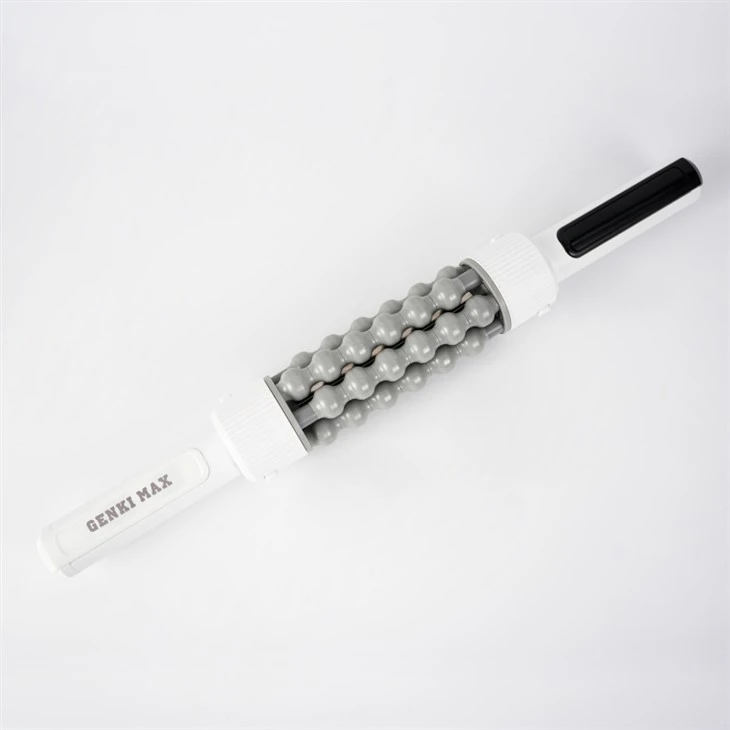

Hey there! I'm in the business of supplying all sorts of fitness gear, especially Fascia Body Rollers. You might have picked one up or are thinking about it, and a common question I get is, "Is it normal to feel pain when using a Fascia Body Roller?" Let's dig into this topic and find out.
First off, what's a Fascia Body Roller anyway? Well, it's a simple yet powerful tool that helps with self - myofascial release. The fascia is a thin layer of connective tissue that surrounds your muscles, bones, and organs. Over time, this fascia can get tight, restricted, or develop adhesions, which can lead to pain and reduced mobility. That's where the Fascia Body Roller comes in. You can check out our Fascia Body Roller on our website.
Now, back to the pain question. It's actually quite common to feel some discomfort when using a Fascia Body Roller, and in many cases, it's normal. When you roll over a tight or knotted area of your fascia, it's like you're breaking up those adhesions. It's a bit like when you're stretching a really tight rubber band. At first, it resists, and you feel some tension. The same goes for your fascia. When you apply pressure with the roller, it can cause a dull, achy pain.
Think of it this way: your body is like a well - oiled machine, but sometimes, parts of it get a bit rusty. The Fascia Body Roller acts like a little maintenance crew, trying to clean up those rusty spots. The pain you feel is a sign that the roller is doing its job, working on those areas that need attention.
However, there's a difference between normal discomfort and pain that's a red flag. Normal discomfort is usually a dull, tolerable ache that subsides as you keep rolling. It's like a "good hurt," similar to the feeling you get after a good workout. On the other hand, if you experience sharp, shooting pain, or if the pain persists long after you've stopped using the roller, that's not normal. It could be a sign of an underlying injury, like a muscle strain or a more serious fascia problem.
Let's take a closer look at some of the reasons why you might feel normal discomfort. One reason is muscle tightness. If you're someone who sits at a desk all day or has a physically demanding job, your muscles can get really tight. When you start using a Muscle Fascia Roller on these tight muscles, the pressure from the roller can cause that initial discomfort.
Another reason is the presence of trigger points. Trigger points are small, hyper - irritable spots in your muscles. They can be caused by stress, overuse, or injury. When you roll over a trigger point with the Fascia Body Roller, it can be quite painful. But as you keep working on it, the trigger point can start to release, and the pain should gradually decrease.
Now, how can you tell if you're using the Fascia Body Roller correctly? Well, it's all about the pressure and the speed. You don't want to go too hard too fast. Start with gentle pressure and slow, controlled movements. Roll back and forth over the area for about 30 seconds to a minute. If you feel a particularly tender spot, you can pause and apply a little more pressure, but make sure it's still tolerable.
If you're new to using a Fascia Body Roller, it's a good idea to start with a softer roller. For example, our Gymstick Fascia Roller is a great option for beginners. It provides a more gentle massage, which can help you get used to the feeling without causing too much pain. As you get more comfortable, you can switch to a firmer roller for a deeper massage.
It's also important to warm up before using a Fascia Body Roller. You can do some light cardio, like jogging in place or jumping jacks, for a few minutes. This helps to increase blood flow to your muscles and makes them more pliable, reducing the chances of feeling excessive pain.
After using the Fascia Body Roller, it's a good idea to stretch the muscles you've just rolled. This helps to further release any tension and improve your flexibility. You can do simple stretches like hamstring stretches or calf stretches.
In conclusion, feeling some pain when using a Fascia Body Roller is often normal, especially if you have tight muscles or trigger points. But it's important to pay attention to the type of pain you're feeling. If it's a dull, tolerable ache that goes away quickly, it's probably a sign that the roller is working. If it's sharp or persistent pain, stop using the roller and consult a healthcare professional.
If you're interested in purchasing a high - quality Fascia Body Roller for your fitness routine, we're here to help. We offer a wide range of rollers to suit different needs and experience levels. Whether you're a beginner looking for a gentle roller or an advanced user in need of a more intense massage, we've got you covered. Reach out to us to start a conversation about your procurement needs. We're eager to discuss how our products can fit into your fitness plans.
References:
- "Trigger Point Therapy Workbook" by Clair Davies
- "The Roll Model: A Step - by - Step Guide to Erasing Pain, Improving Mobility, and Live in Balance" by Jill Miller


