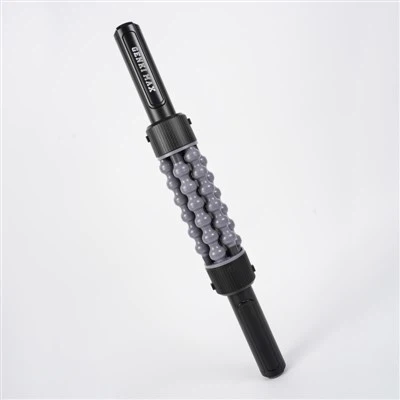
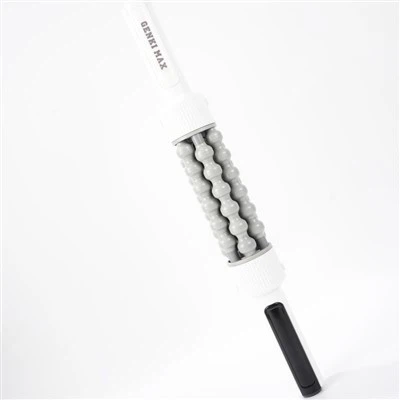
Using a static electric fascia roller has become a popular method for muscle recovery and relaxation. As a supplier of these innovative products, I've seen firsthand the growing demand for such tools. However, it's essential to understand that like any health - related device, static electric fascia rollers come with potential side effects.
Skin Irritation
One of the most common side effects of using a static electric fascia roller is skin irritation. The constant friction and pressure exerted by the roller on the skin can lead to redness, itching, and in some cases, mild abrasions. This is particularly true for individuals with sensitive skin. The static electricity generated by the roller may also attract dust and other particles, which can further exacerbate skin problems.
When using a Cellulite Blaster Roller, for example, the intense rolling action combined with the electrical stimulation might cause the skin to react. To minimize this risk, it's advisable to start with short sessions and gradually increase the duration as your skin gets accustomed to the treatment. Additionally, keeping the skin clean and moisturized can help reduce the likelihood of irritation.
Muscle Soreness
Another possible side effect is muscle soreness. While the purpose of a static electric fascia roller is to relieve muscle tension and promote recovery, over - use or incorrect use can lead to increased muscle soreness. The electrical impulses and the mechanical pressure from the roller can sometimes over - stimulate the muscles, causing them to become fatigued and sore.
If you're using a Smart Electric Muscle Roller with multiple intensity settings, it's crucial to start at a low level and only increase the intensity as your muscles adapt. Beginners may experience soreness after the first few sessions, but this should subside as the muscles become stronger and more accustomed to the treatment. However, if the soreness persists or worsens, it's a sign that you may be overdoing it, and you should reduce the frequency or intensity of your roller use.
Nerve Sensitivity
Static electric fascia rollers can also affect nerve sensitivity. The electrical stimulation can sometimes over - excite the nerves in the treated area, leading to a tingling or numb sensation. In rare cases, this can cause more severe nerve damage, although this is extremely uncommon when the roller is used correctly.
When using a Plastic Muscle Roller, it's important to be aware of how your body responds to the electrical impulses. If you experience any unusual sensations such as persistent tingling or numbness, stop using the roller immediately and consult a healthcare professional.
Allergic Reactions
Some individuals may have allergic reactions to the materials used in the static electric fascia roller. For example, the plastic or rubber components of the roller may cause an allergic response in people with certain sensitivities. Symptoms of an allergic reaction can include itching, swelling, and hives.
Before purchasing a static electric fascia roller, it's advisable to check the product specifications to see what materials are used. If you have a history of allergies, it may be a good idea to test the roller on a small area of skin first to see if there is any reaction.
Cardiovascular Effects
Although less common, there may be some cardiovascular effects associated with the use of static electric fascia rollers. The electrical stimulation can potentially affect the heart rate and blood pressure, especially in individuals with pre - existing cardiovascular conditions.
If you have a heart condition or high blood pressure, it's essential to consult your doctor before using a static electric fascia roller. They can provide guidance on whether it's safe for you to use the device and what precautions you should take.
Psychological Effects
In addition to the physical side effects, there can also be psychological effects associated with using a static electric fascia roller. Some people may become overly reliant on the roller for pain relief, which can lead to psychological dependence. They may start to believe that they cannot function without the roller, which can have a negative impact on their overall well - being.
It's important to use the static electric fascia roller as part of a comprehensive approach to muscle recovery and relaxation. Incorporating other methods such as stretching, proper nutrition, and adequate rest can help reduce the risk of psychological dependence.
Mitigating the Side Effects
To minimize the side effects of using a static electric fascia roller, there are several steps you can take. First, always follow the manufacturer's instructions carefully. This includes using the correct intensity settings, duration of use, and proper technique.
Second, listen to your body. If you experience any pain, discomfort, or unusual sensations during or after using the roller, stop using it immediately and consult a healthcare professional.

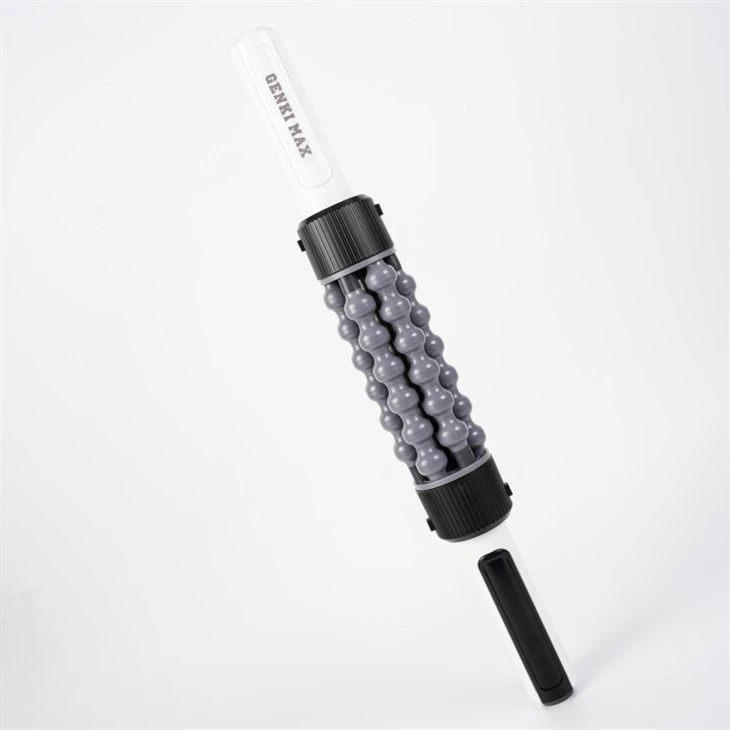
Third, start slowly. Begin with short sessions at a low intensity and gradually increase the duration and intensity as your body adapts.
As a supplier of static electric fascia rollers, I'm committed to providing high - quality products that are safe and effective. We understand the importance of educating our customers about the potential side effects of using these devices. Our team is always available to answer any questions you may have and provide guidance on how to use the rollers safely.
If you're interested in purchasing a static electric fascia roller or have any questions about our products, we encourage you to reach out to us. We're eager to start a conversation with you and help you find the right product for your needs. Whether you're an athlete looking for muscle recovery or someone dealing with general muscle tension, our static electric fascia rollers can be a valuable addition to your wellness routine. Contact us today to start the procurement discussion and take the first step towards better muscle health.
References
- American Council on Exercise. (2023). Guide to Foam Rolling.
- Mayo Clinic. (2023). Muscle Recovery Techniques.
- National Institute of Neurological Disorders and Stroke. (2023). Nerve Damage and Sensitivity.