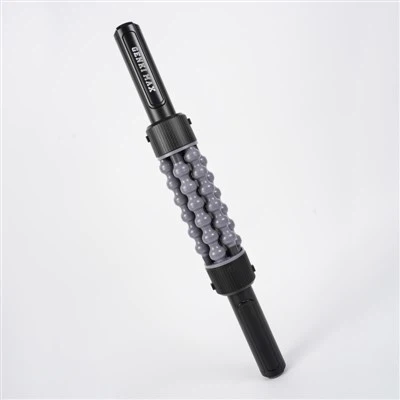
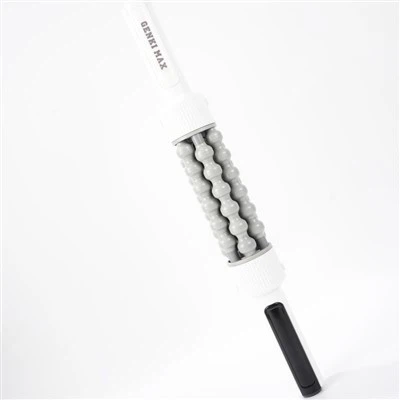
As a supplier of the Gymstick Fascia Roller, I am excited to share with you the best ways to use this remarkable tool on your arms. The Gymstick Fascia Roller is a revolutionary device designed to target and release tension in the fascia, the connective tissue that surrounds our muscles, bones, and organs. By using this roller correctly, you can alleviate muscle soreness, improve flexibility, and enhance overall arm health.
Understanding the Fascia and Its Importance
Before diving into the specific techniques of using the Gymstick Fascia Roller on the arms, it's essential to understand the role of the fascia. The fascia is a three - dimensional web of connective tissue that provides support and structure to our bodies. It helps to transmit forces between muscles, allowing for smooth and efficient movement.
However, factors such as repetitive motion, poor posture, and injury can cause the fascia to become tight and restricted. This can lead to muscle imbalances, pain, and reduced range of motion. Using a fascia roller like the Gymstick can help to break up adhesions in the fascia, restoring its normal function and promoting better movement.
Preparing for the Session
Before using the Gymstick Fascia Roller on your arms, it's important to prepare your body. Start by performing some light warm - up exercises, such as arm circles, shoulder rolls, and gentle stretches. This will increase blood flow to the muscles and make them more receptive to the rolling process.
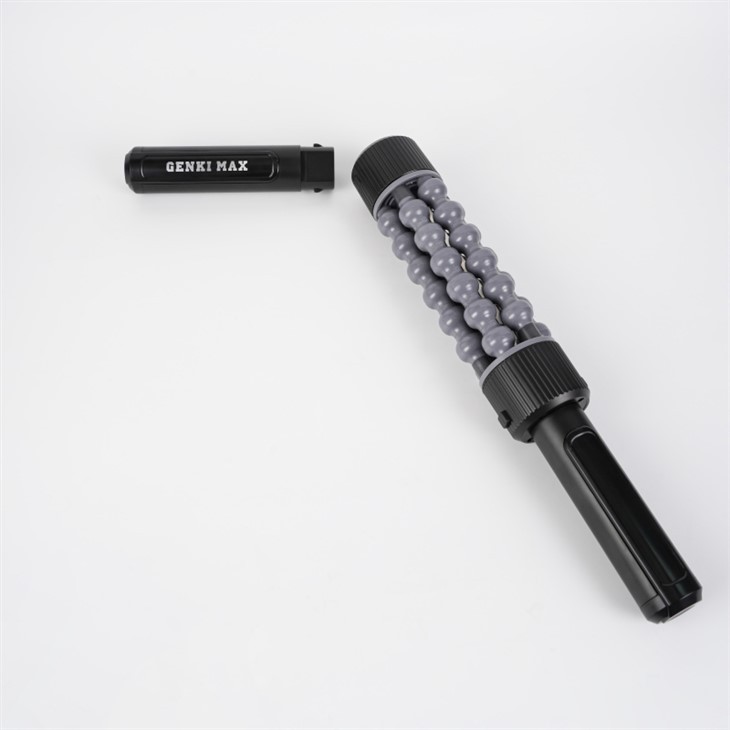
You should also ensure that the Gymstick Fascia Roller is clean and in good condition. If you're using it for the first time, take a moment to familiarize yourself with its shape and texture. The roller typically has a unique design with various ridges and bumps that are intended to target different areas of the fascia.
Techniques for Using the Gymstick Fascia Roller on the Arms
1. Biceps
The biceps are the large muscles on the front of the upper arm. To use the Gymstick Fascia Roller on the biceps, start by sitting or standing with your arm relaxed at your side. Place the roller on the biceps, just below the shoulder.
Apply gentle pressure and slowly roll the roller down towards the elbow. As you roll, pay attention to any areas of tightness or tenderness. If you find a particularly tight spot, pause and apply more pressure for a few seconds, then continue rolling. Repeat this process 3 - 5 times on each arm.
2. Triceps
The triceps are located on the back of the upper arm. To target the triceps with the Gymstick Fascia Roller, bend your arm behind your head so that the triceps are exposed. Place the roller on the triceps, near the shoulder.
Roll the roller down towards the elbow, applying gentle to moderate pressure. Similar to the biceps, look for areas of tightness and spend a little extra time on those spots. Roll the triceps 3 - 5 times on each arm.
3. Forearms
The forearms are often overlooked but can hold a significant amount of tension, especially if you spend a lot of time typing or using your hands for other repetitive tasks. To use the Gymstick Fascia Roller on the forearms, place your arm on a flat surface with your palm facing up.
Position the roller on the forearm, near the wrist. Roll the roller up towards the elbow, applying light pressure. You can also roll the forearms with your palm facing down to target different muscle groups. Roll the forearms 3 - 5 times on each arm.
4. Shoulders
The shoulders are closely connected to the arms and can also benefit from fascia rolling. To use the Gymstick Fascia Roller on the shoulders, stand or sit with your arm relaxed at your side. Place the roller on the top of the shoulder, near the base of the neck.
Roll the roller across the shoulder towards the front and back, applying gentle pressure. Be careful not to apply too much pressure on the sensitive areas around the neck. Roll the shoulders 3 - 5 times on each side.
Tips for an Effective Session
- Start Slowly: If you're new to using a fascia roller, start with light pressure and gradually increase it as your body gets used to the sensation.
- Breathe Deeply: Deep breathing can help you relax and allow the fascia to release more effectively. Inhale slowly through your nose and exhale through your mouth as you roll.
- Stay Hydrated: Drinking plenty of water before, during, and after your fascia rolling session can help to flush out toxins released from the fascia and keep your muscles hydrated.
Comparison with Other Fascia Rollers
There are several types of fascia rollers available in the market, such as the Fascia Blaster Roller and the Fascia Body Roller. While these rollers also have their own unique features, the Gymstick Fascia Roller stands out for its ergonomic design and versatility.
The Gymstick is easy to hold and maneuver, making it ideal for targeting specific areas of the arms. Its ridges and bumps are designed to provide a more targeted massage, which can be more effective in releasing tension in the fascia compared to some other rollers. You can learn more about the Gymstick Fascia Roller on our website Gymstick Fascia Roller.

Benefits of Using the Gymstick Fascia Roller on the Arms
- Reduced Muscle Soreness: By breaking up adhesions in the fascia, the Gymstick Fascia Roller can help to reduce muscle soreness, especially after a strenuous workout.
- Improved Flexibility: Releasing tension in the fascia allows for greater range of motion in the arms, which can improve flexibility and performance in various activities.
- Enhanced Recovery: Regular use of the roller can speed up the recovery process after an injury or intense exercise by promoting blood flow and reducing inflammation.
Conclusion
Using the Gymstick Fascia Roller on the arms is a simple yet effective way to improve muscle health, reduce pain, and enhance flexibility. By following the techniques and tips outlined in this blog, you can make the most of this powerful tool.
If you're interested in purchasing the Gymstick Fascia Roller for your fitness center, sports team, or personal use, we invite you to contact us for a purchase negotiation. We offer high - quality products at competitive prices and are committed to providing excellent customer service.
References
- Schleip, R., et al. (2012). Fascia: The Tensional Network of the Human Body. Thieme Medical Publishers.
- Findley, T. W., & Schleip, R. (2010). Myofascial release: Scientific basis and rationale. Journal of Bodywork and Movement Therapies, 14(1), 9 - 19.