What is the power consumption of a fascia roll forming machine?
As a leading supplier of fascia roll forming machines, I am frequently asked about the power consumption of these highly specialized pieces of equipment. Understanding the power consumption of a fascia roll forming machine is crucial for businesses, as it directly impacts operational costs and overall efficiency. In this blog post, I will delve into the factors that influence power consumption, how to calculate it, and offer insights into optimizing energy usage to save costs.
Factors Affecting Power Consumption
The power consumption of a fascia roll forming machine is influenced by multiple factors. One of the primary factors is the machine's motor size. Motors are the heart of the roll forming process, driving the movement of the rollers and material through the machine. Generally, larger motors require more power to operate. For example, a high - capacity fascia roll forming machine designed for continuous, high - speed production will typically have a larger motor compared to a smaller, more basic model. A machine with a 10 - horsepower motor will consume significantly more electricity than one with a 3 - horsepower motor.
The speed of operation also plays a significant role. Faster production speeds often demand more energy. When the machine is running at a high speed, the motor has to work harder to maintain the momentum and ensure smooth material flow. If a fascia roll forming machine is set to produce 20 meters of fascia per minute, it will use more power than when it is running at a speed of 10 meters per minute.
The type of material being processed is another important factor. Different fascia materials have different levels of stiffness and thickness. Processing thicker or more rigid materials generally requires more force, and thus more power. For instance, forming aluminum fascia is less energy - intensive compared to steel fascia. The latter is denser and more difficult to shape, causing the machine to work harder and consume more electricity.
In addition, the complexity of the profile being formed affects power consumption. A simple, straight - sided fascia profile requires less energy than a complex, multi - ribbed or curved profile. The machine has to apply more intricate movements and forces to form complex shapes, which increases the load on the motor and raises power usage.
Calculating Power Consumption
To calculate the power consumption of a fascia roll forming machine, you first need to know the power rating of the machine's motor. The power rating is usually given in kilowatts (kW) and can be found on the motor's nameplate. If your machine has multiple motors, you will need to sum up the power ratings of all the motors.
The power consumption formula is: Power Consumption (kWh) = Power Rating (kW) × Operating Time (h)
For example, if your fascia roll forming machine has a motor with a power rating of 5 kW and it operates for 8 hours a day, the daily power consumption would be 5 kW × 8 h = 40 kWh.
However, it's important to note that this is a theoretical calculation. In actual operation, the power consumption may vary due to factors such as machine inefficiencies, the start - stop cycles, and variable load conditions.
Optimizing Power Consumption
As a supplier, I understand the importance of helping my customers reduce their energy costs. Here are some practical tips to optimize the power consumption of a fascia roll forming machine.
Regular maintenance is essential. Keeping the machine well - maintained ensures that all components are working smoothly. For example, properly lubricated rollers and gears reduce friction, which means the motor doesn't have to work as hard. This can lead to significant power savings over time. Additionally, checking and replacing worn - out parts promptly can prevent the machine from overloading and consuming excess energy.
Properly adjusting the machine's speed according to the material and profile requirements is also important. If you don't need to run the machine at maximum speed, reducing the speed can lower power consumption without sacrificing much in terms of production output. For example, if you are forming a less complex profile, you can operate the machine at a lower speed and still achieve satisfactory results.
Investing in energy - efficient motors can also make a big difference. Newer models of motors are designed with advanced technologies to reduce energy waste. They are more efficient in converting electrical energy into mechanical energy, which means you can get the same level of performance with less power consumption.

Related Products
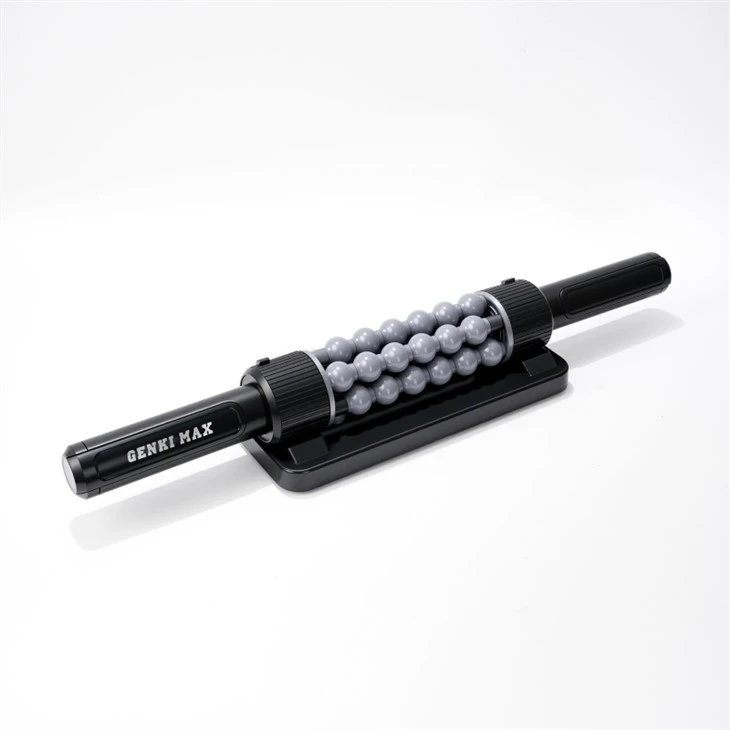
In addition to fascia roll forming machines, we also offer a range of related products. If you are interested in products for muscle relaxation and fitness, you might want to check out our Smart Electric Muscle Roller, Cellulite Blaster Roller, and Fitness Electric Muscle Roller. These products are designed to provide effective muscle massage and relaxation, helping you recover after a workout or relieve muscle tension.
Contact for Purchase and Negotiation
If you are interested in our fascia roll forming machines or have any questions about power consumption, production capacity, or other aspects of the machine, we are here to help. We have a team of experienced professionals who can provide you with detailed information and guidance. Whether you are a small business looking for a cost - effective solution or a large - scale manufacturer in need of high - capacity equipment, we can offer the right product for you. Get in touch with us to start the purchase negotiation process and take your fascia production to the next level.
References
- Machinery Handbook: A comprehensive guide to mechanical design and operation, which provides in - depth knowledge about motor power and machine efficiency.
- Industry reports on roll forming technology: These reports offer insights into the latest trends and developments in the roll forming industry, including energy - saving technologies.