What muscles can I roll with a muscle roller?
Hey there, fitness enthusiasts and anyone looking to take care of their bodies! As a muscle roller supplier, I'm super excited to chat with you about which muscles you can roll with a muscle roller. Muscle rollers have become a staple in the fitness world, and for good reason. They're a great way to relieve muscle tension, improve flexibility, and speed up recovery.
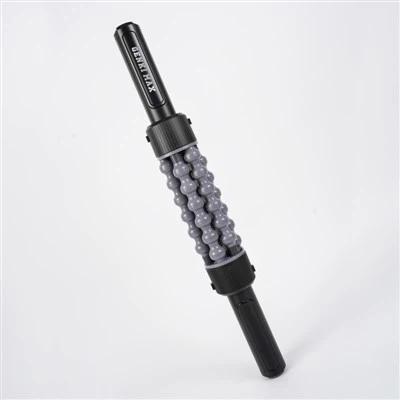
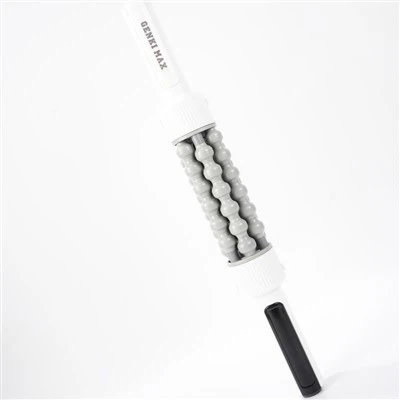
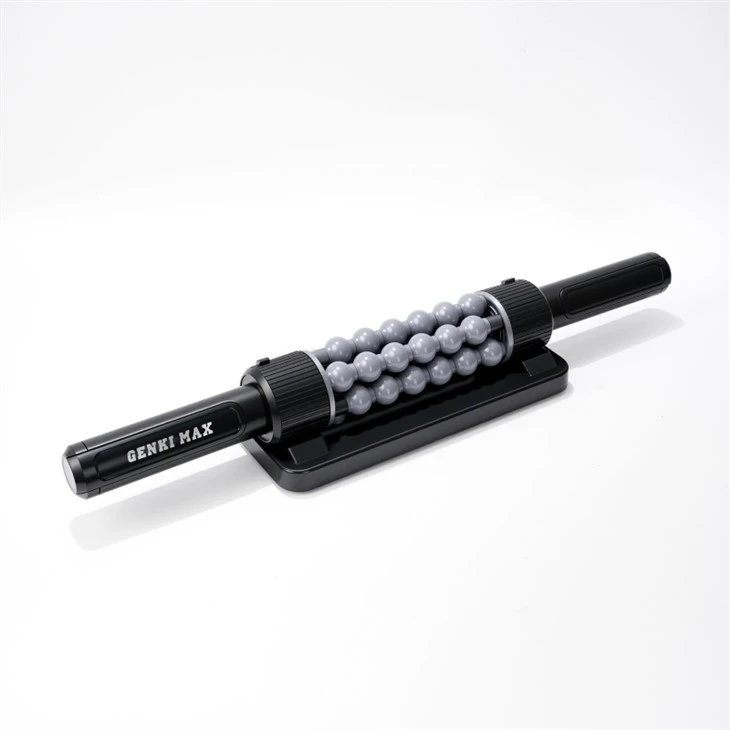
Let's start with the basics. A muscle roller is a simple yet effective tool that you can use to apply pressure to your muscles. It works by mimicking the hands of a massage therapist, helping to break up adhesions and knots in your muscles. There are different types of muscle rollers out there, including the Fitness Electric Muscle Roller, Smart Electric Muscle Roller, and Vibration Electric Muscle Roller. These electric versions offer additional features like vibration and adjustable intensity, which can enhance the massage experience.

Now, onto the muscles. You can use a muscle roller on a wide variety of muscles in your body. Let's start with the legs.
Leg Muscles
The legs are one of the most common areas to use a muscle roller. After a long run, a tough leg day at the gym, or just a lot of standing or walking, your leg muscles can get pretty tight.
Calves
The calves are made up of two main muscles: the gastrocnemius and the soleus. You can roll your calves by sitting on the floor with your legs straight out in front of you. Place the muscle roller under your calf and slowly roll it up and down from your ankle to just below your knee. You might want to focus on any tender spots or knots you feel. This can help improve blood flow to the area and reduce muscle soreness.
Hamstrings
The hamstrings are the muscles at the back of your thigh. They're important for activities like running, jumping, and bending your knees. To roll your hamstrings, lie on your back with the muscle roller under your thigh. Cross one leg over the other and use your hands to support your body. Roll the muscle roller from just below your buttocks to the back of your knee. Be careful not to roll too close to the knee joint.
Quadriceps
The quadriceps are the muscles at the front of your thigh. They're responsible for extending your knee and are used a lot in activities like walking, running, and squatting. To roll your quads, lie face down on the floor with the muscle roller under your thigh. You can use your hands to support your upper body and roll the muscle roller from your hip to just above your knee.
Back Muscles
The back is another area that can benefit from muscle rolling. Our backs often carry a lot of tension, especially if we spend a lot of time sitting at a desk or driving.
Upper Back
The upper back includes muscles like the trapezius and the rhomboids. To roll your upper back, sit on the floor with your legs straight out in front of you. Place the muscle roller behind your upper back, between your shoulder blades. Lean back slightly and use your legs to move your body up and down the roller. You can also rotate your upper body a bit to target different areas of the upper back.
Lower Back
The lower back muscles, such as the erector spinae, can get tight from activities like lifting heavy objects or sitting for long periods. To roll your lower back, lie on your back with the muscle roller under your lower back. Bend your knees and place your feet flat on the floor. Use your feet and hands to control your movement as you roll the muscle roller up and down your lower back. Be gentle when rolling your lower back, as this area is more sensitive.
Shoulder and Neck Muscles
Our shoulders and necks can also hold a lot of tension, especially during stressful times.
Shoulders
The shoulders are made up of several muscles, including the deltoids. To roll your shoulders, sit on the floor and place the muscle roller under one shoulder. Lean to the side slightly and use your other hand to support your body. Roll the muscle roller from the front of your shoulder to the back, covering the different parts of the deltoid muscle.
Neck
The neck muscles can get tight from looking at screens, poor posture, or sleeping in an awkward position. To roll your neck, lie on your back with the muscle roller under the base of your neck. Be very careful when rolling your neck, as this area is delicate. You can gently move your head back and forth to roll the muscle roller along the back of your neck.
Chest Muscles
The chest muscles, such as the pectoralis major, can also be rolled. After a chest workout or just from normal daily activities, these muscles can get tight. To roll your chest, lie on your side with the muscle roller under your chest. Roll the muscle roller from the center of your chest to the outer edge. You can change sides to work on the other chest muscle.
Why Use a Muscle Roller?
Using a muscle roller has several benefits. Firstly, it can help relieve muscle soreness. When you exercise, tiny tears occur in your muscle fibers. Massaging these muscles with a roller can help increase blood flow to the area, which in turn helps deliver nutrients and oxygen to the damaged muscles, speeding up the recovery process.
Secondly, it can improve flexibility. By breaking up adhesions and knots in your muscles, you can increase your range of motion. This is especially important for athletes and people who participate in activities that require a lot of flexibility, like yoga or dance.
Finally, using a muscle roller can be a great way to relax. It can help reduce stress and tension in your body, leaving you feeling more refreshed and rejuvenated.
How to Use a Muscle Roller Properly
To get the most out of your muscle roller, here are some tips. First, start slowly. If you're new to using a muscle roller, it might feel a bit uncomfortable at first, especially if you have a lot of tension in your muscles. Start with gentle pressure and gradually increase it as your body gets used to the sensation.
Second, focus on the areas that need the most attention. If you have a specific muscle that's tight or sore, spend a little extra time rolling that area. You might also want to focus on areas that are prone to tightness, like your calves or shoulders.
Third, roll for about 30 to 60 seconds on each muscle group. You don't need to spend a long time on each area, but make sure you're giving your muscles enough attention.
Fourth, use the right technique. When you're rolling, move the muscle roller slowly and smoothly. Avoid bouncing or jerking the roller, as this can cause more harm than good.
Contact Us for Your Muscle Roller Needs
If you're interested in purchasing a muscle roller, we've got you covered. We offer a wide range of high-quality muscle rollers, including the Fitness Electric Muscle Roller, Smart Electric Muscle Roller, and Vibration Electric Muscle Roller. Our muscle rollers are designed to provide effective and comfortable massage experiences.
We understand that different people have different needs, so we're happy to help you find the right muscle roller for you. Whether you're a professional athlete, a fitness enthusiast, or just someone looking to take better care of their body, our muscle rollers can be a great addition to your routine.
If you're interested in learning more about our products or have any questions, please don't hesitate to contact us. We're here to help you with your muscle roller needs and ensure that you're satisfied with your purchase.
References
- American Council on Exercise. (n.d.). Self-Myofascial Release: A How-To Guide.
- National Strength and Conditioning Association. (n.d.). Foam Rolling for Recovery and Injury Prevention.