Can a Fascia Roller be Used on the Abductor Hallucis Muscle?
As a supplier of fascia rollers, I often receive inquiries from customers about the proper usage of our products. One question that frequently comes up is whether a fascia roller can be used on the abductor hallucis muscle. In this blog post, I'll delve into this topic, exploring the function of the abductor hallucis muscle, the benefits of using a fascia roller, and the considerations when applying a fascia roller to this particular muscle.
Understanding the Abductor Hallucis Muscle
The abductor hallucis muscle is a crucial part of the foot's anatomy. It is located on the medial (inner) side of the foot and plays a significant role in the movement and stability of the big toe. This muscle is responsible for abducting the big toe, which means moving it away from the other toes. Additionally, it helps to support the arch of the foot during walking, running, and other weight - bearing activities.
When the abductor hallucis muscle is tight or overused, it can lead to a variety of issues. For example, it may contribute to plantar fasciitis, a common condition characterized by pain in the heel and bottom of the foot. Tightness in this muscle can also affect the alignment of the foot and potentially lead to problems in the ankle, knee, and even the lower back.
The Benefits of Using a Fascia Roller
Fascia rollers are versatile tools that can provide numerous benefits for muscle health. They work by applying pressure to the fascia, the connective tissue that surrounds muscles, tendons, and ligaments. When the fascia becomes tight or restricted, it can limit the range of motion of the muscles and cause pain and discomfort.
Using a fascia roller helps to break up adhesions in the fascia, improving blood flow to the muscles. This increased blood flow delivers oxygen and nutrients to the muscle tissue, which aids in recovery after exercise and reduces muscle soreness. Fascia rolling can also help to improve flexibility and mobility, allowing for better performance in physical activities.
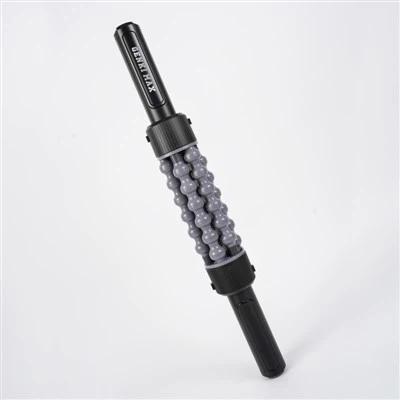
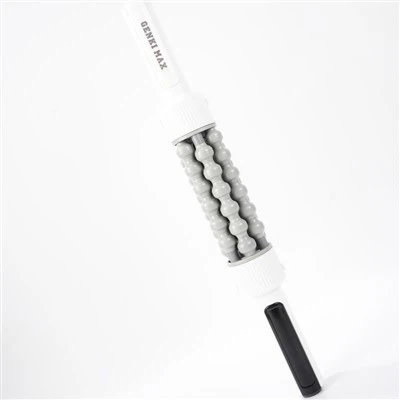
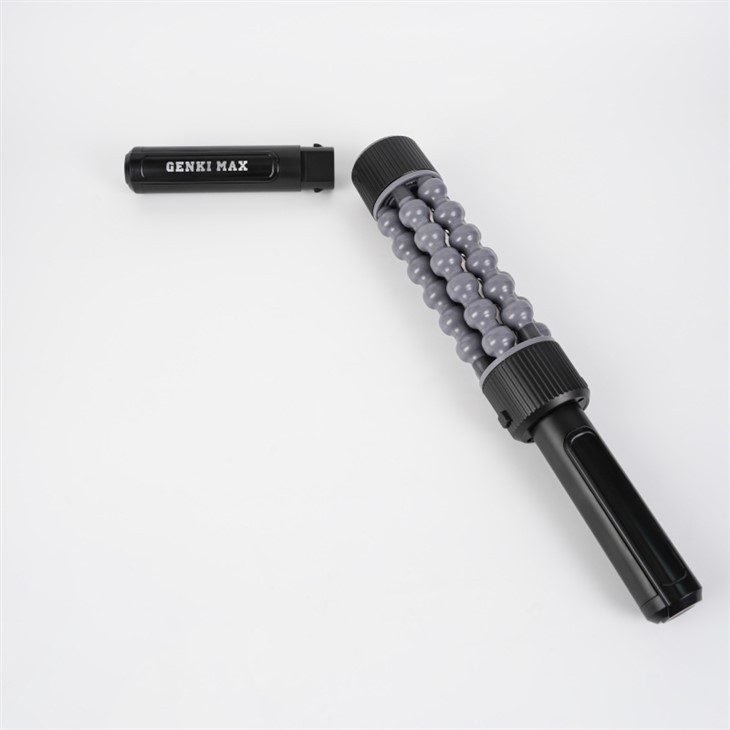
There are different types of fascia rollers available in the market. Our Muscle Fascia Roller is designed to provide a deep and targeted massage to the muscles. It has a unique texture that can effectively reach the deeper layers of the fascia. The Gymstick Fascia Roller is a more compact and portable option, which is great for on - the - go use. And the Fascia Blaster Roller offers a different type of massage experience with its specialized design.
Using a Fascia Roller on the Abductor Hallucis Muscle
Now, let's address the main question: Can a fascia roller be used on the abductor hallucis muscle? The answer is yes, but with some important considerations.
First, it's essential to prepare the foot before using the fascia roller. You can start by soaking your foot in warm water for a few minutes to relax the muscles and increase blood flow. This will make the fascia rolling process more effective and less painful.
When using the fascia roller on the abductor hallucis muscle, place the roller on the floor and gently place your foot on it. Position the roller under the inner side of the foot, where the abductor hallucis muscle is located. Slowly roll the foot back and forth, applying gentle pressure. You may feel some discomfort, especially if the muscle is tight, but it should not be overly painful. If you experience sharp pain, stop immediately.
It's important to roll slowly and methodically, spending about 30 - 60 seconds on each foot. You can also vary the pressure by adjusting the amount of weight you put on the foot. For a deeper massage, you can put more weight on the foot, but be careful not to overdo it.
After using the fascia roller, it's a good idea to stretch the abductor hallucis muscle. You can do this by gently pulling the big toe away from the other toes and holding the stretch for 15 - 30 seconds. This will help to further improve the flexibility of the muscle.
Precautions and Contraindications
While using a fascia roller on the abductor hallucis muscle can be beneficial, there are some situations where it may not be appropriate. If you have an injury to the foot, such as a fracture, sprain, or open wound, do not use a fascia roller on the affected area. Also, if you have any underlying medical conditions, such as diabetes or peripheral neuropathy, it's important to consult with a healthcare professional before using a fascia roller.
Pregnant women should also exercise caution when using a fascia roller on the feet. Although there is no evidence to suggest that it is harmful, it's always best to consult with a doctor first.

Conclusion
In conclusion, a fascia roller can be a useful tool for treating the abductor hallucis muscle. It can help to relieve tightness, improve blood flow, and enhance the flexibility of the muscle. However, it's important to use it correctly and take the necessary precautions.
If you're interested in purchasing a high - quality fascia roller for your muscle recovery needs, we offer a wide range of options. Our products are designed to provide effective and safe massage experiences. Whether you're an athlete looking to improve your performance or someone dealing with muscle pain and tightness, our fascia rollers can be a great addition to your self - care routine.
If you have any questions or would like to discuss your specific needs, feel free to reach out to us. We're here to assist you in finding the right fascia roller for you and to provide any support you may need. Contact us today to start your journey towards better muscle health.
References
- Gray, H. (1918). Gray's Anatomy of the Human Body. Lea & Febiger.
- Knothe Tate, M. L., Grant, M. H., & McCulloch, A. D. (2006). Mechanobiology of the extracellular matrix. Journal of Biomechanics, 39(12), 1861 - 1872.
- Wallis, G. A., & Hetherington, V. J. (2007). The effects of foam rolling on range of motion, muscle recovery, and performance. Journal of Strength and Conditioning Research, 21(2), 627 - 632.