When it comes to self - myofascial release, foam rollers and fascia rollers are two popular tools in the fitness and rehabilitation communities. As a fascia roller supplier, I am often asked about the differences between these two types of rollers. In this blog post, I'll break down the key distinctions between foam rollers and fascia rollers to help you understand which one might be the best fit for your needs.
1. Construction and Design
Foam rollers are typically made of dense foam material. They come in various shapes, sizes, and densities. The most common ones are cylindrical, with smooth surfaces. Some foam rollers have a uniform density throughout, while others may have a gradient, being firmer in the center and softer on the edges. The simple design of foam rollers makes them easy to use and store. You can find them in different lengths, usually ranging from about 12 inches to 36 inches, and different diameters as well.
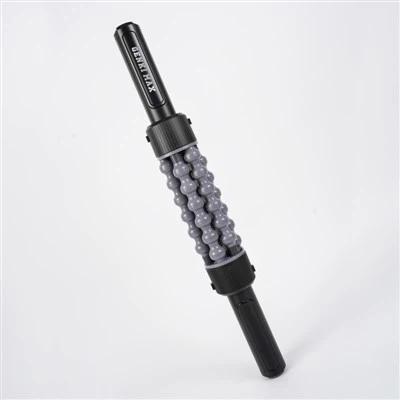
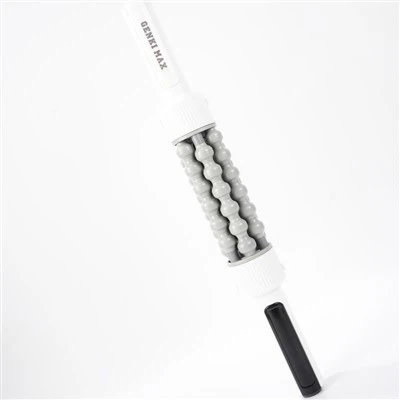
On the other hand, fascia rollers have a more diverse design. They are often constructed with a combination of materials. For example, Muscle Fascia Roller uses a high - quality outer layer and a durable core. Fascia rollers often feature more complex surface textures than foam rollers. They may have bumps, ridges, or nodules that are designed to target specific areas of the fascia more precisely. Some fascia rollers also come in non - traditional shapes, such as the Fascia Body Roller which can be contoured to fit different parts of the body better.
2. Pressure Application
One of the main differences between foam rollers and fascia rollers lies in the way they apply pressure. Foam rollers offer a more general and diffuse pressure. When you roll your body over a foam roller, the pressure is spread over a relatively large surface area. This gentle and widespread pressure can be great for warming up, reducing muscle soreness after a workout, and promoting blood circulation. It's suitable for beginners or those who are sensitive to pressure.
Fascia rollers, however, are designed to deliver more targeted pressure. The bumps and ridges on fascia rollers can focus the pressure on specific trigger points or knots in the fascia. For example, the Gymstick Fascia Roller is excellent for reaching tight areas in the back, shoulders, or calves. This targeted pressure can help to break up adhesions in the fascia, release tension, and improve flexibility more effectively. But it also means that fascia rollers can be more intense, and users need to be careful not to overdo it.
3. Mobility and Portability
Foam rollers are relatively large and bulky, which can make them a bit less portable. A standard full - size foam roller may not be easy to carry around in your gym bag or take on a trip. However, there are smaller, travel - sized foam rollers available, but they may not provide the same range of motion as the larger ones.
In contrast, many fascia rollers are designed with portability in mind. They are often smaller and more compact. Some fascia rollers are lightweight and can easily fit into a backpack or even a purse. This makes them a great option for people who are always on the go and want to be able to perform self - myofascial release wherever they are.
4. Durability
Foam rollers can vary in durability depending on the quality of the foam. Lower - quality foam rollers may start to break down or develop flat spots over time, especially with frequent use. Higher - quality foam rollers can last longer, but they may also be more expensive.
Fascia rollers, due to their more robust construction with multiple materials, tend to be more durable. They are built to withstand the pressure and friction of regular use. The outer layers are often made of materials that are resistant to wear and tear, ensuring that the fascia roller maintains its shape and functionality for a long time.
5. Cost
In general, foam rollers are more budget - friendly. You can find basic foam rollers at a relatively low price, making them accessible to a wide range of people. However, if you opt for a high - end foam roller with special features like variable density or a unique design, the cost can increase significantly.
Fascia rollers usually cost more than standard foam rollers. The advanced design, high - quality materials, and targeted functionality contribute to their higher price point. But when you consider their durability, portability, and the benefits of targeted pressure, many people find that the investment in a fascia roller is worthwhile.
6. Ideal User and Use Case
Foam rollers are ideal for beginners who are new to self - myofascial release. They are also great for general muscle relaxation and warm - up before a workout. People who have a low tolerance for pressure or who want to perform a full - body massage in a gentle way will benefit from using a foam roller. For example, athletes doing a quick pre - game warm - up or individuals who sit at a desk all day and want to relieve general muscle tightness can use a foam roller.
Fascia rollers are better suited for more experienced users or those with specific muscle issues. If you have chronic muscle pain, tightness in specific areas, or want to target adhesions in the fascia, a fascia roller can provide more effective treatment. Physical therapists and sports trainers often recommend fascia rollers for rehabilitation purposes. For instance, someone recovering from a sports injury or suffering from lower back pain can use a fascia roller to target the affected areas.
Which One Should You Choose?
Deciding between a foam roller and a fascia roller depends on your individual needs and preferences. If you're just starting out with self - myofascial release, have a limited budget, and want a tool for general muscle relaxation, a foam roller might be the better choice.
However, if you're an experienced user, have specific muscle problems that need targeted treatment, value portability, and are willing to invest in a higher - quality tool, a fascia roller is definitely worth considering. And as a fascia roller supplier, I can offer a wide range of fascia rollers to meet your specific needs.


If you're interested in purchasing high - quality fascia rollers for personal use, resale, or for your fitness facility, I invite you to get in touch with me to discuss your requirements. I can provide you with detailed product information, pricing, and any other support you may need during the purchasing process.
References
- Hides, J. A., Stokes, M. J., Saide, M., Schultz, A. B., & Rissanen, A. (2001). Evidence of lumbar multifidus muscle wasting ipsilateral to symptoms in patients with acute/subacute low back pain. Spine, 26(11), 1248 - 1251.
- Knothe Tate, M. L. (2002). The mechanics of aside fasciae: a morphological and mechanical study of the human lumbar fascia lata. Journal of Biomechanics, 35(11), 1479 - 1485.
- Schleip, R., Klingler, W., & Lehmann, H. (2005). Fascia is able to contract in a smooth - muscle - like manner and thereby influence musculoskeletal dynamics: an in vitro study on human fascial tissue. Medical Hypotheses, 64(2), 373 - 379.